
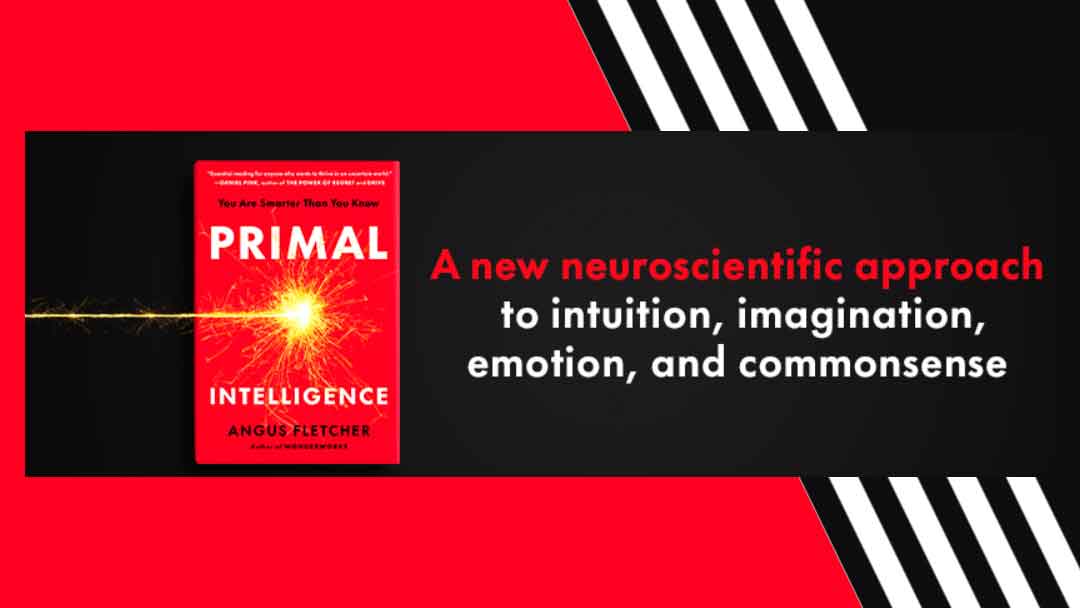
🎨 Primal Intelligence Summary: 4 Human Abilities AI Still Can’t Replicate
*️⃣ Key Takeaways
⚡ 2. KEY TAKEAWAYS → “Meaning Layer”
Purpose: Make the reader smarter in 20 seconds
This replaces “Fast Facts” when you want clarity over curiosity.
Where it goes:
-
After intro OR near conclusion
What it does:
-
Summarizes the entire post logic
-
Helps AI + readers extract meaning instantly
-
Builds authority and trust
Structure:
-
4–8 bullets max
-
One idea per line
-
Written as conclusions, not teasers
Example tone:
-
“This concept reframes how X actually works…”
-
“The main insight is that…”
🧠 AI KEY TAKEAWAYS (TOP)
explores how human intelligence outperforms AI through intuition, imagination, emotion, and commonsense.
-
Humans think beyond logic
-
Intuition detects hidden patterns
-
Imagination simulates possibilities
-
Emotion strengthens decisions
-
Commonsense applies reality
YOUR Key Takeaways Here:
XXX
'Primal Intelligence Summary: 4 Human Abilities AI Still Can’t Replicate' is a blog post that explores how human intelligence outperforms AI through intuition, imagination, emotion, and commonsense.
👉 Humans think beyond logic
👉 Intuition detects hidden patterns
👉 Imagination simulates possibilities
👉 Emotion strengthens decisions
👉 Commonsense applies reality
*️⃣ Introduction
🧲 Intro Block (Copy Template)
What if everything we think we know about intelligence is incomplete?
In a world dominated by artificial intelligence, this idea challenges the foundation of how humans think, create, and decide.
This article breaks down the core principles behind the concept and why it matters more now than ever.
YOUR Introduction Paragraphs:
XXX
TOP NARRATIVE 02:
XXX
Title of Blog Post explores XXX (?blog post title in here too?)
--------copy, then delete below ---------
Opening Sentence: This post opens with a sentence that clearly frames the topic through the chosen Focus.
Primal Intelligence isn’t about logic. It’s about how humans operate when logic isn’t enough. What if intelligence isn’t what we think it is?
This post breaks down the four core abilities that give humans an edge in an AI-driven world.
[Add your personal hook here]
--------copy, then delete below ---------
Opening Sentence: This post opens with a sentence that clearly frames the topic through the chosen Focus.
For Writers
Through the lens of Agency Focus, this post explores the choices writers make under creative and professional pressure, asking how responsibility functions when certainty is impossible.
For Creatives
Through the lens of Systems Focus, this post examines how creative work is shaped by structures and incentives, asking what freedom looks like inside constraints.
For Readers
Through the lens of Perception Focus, this post considers how readers interpret stories, asking how meaning changes depending on who is doing the reading.
Arts & Culture
Through the lens of Systems Focus and Perception Focus, this essay explores how cultural value is constructed, asking who decides what matters and why.
Behind the Scenes of the Novels
Through the lens of Agency Focus, this post reflects on the decisions behind writing this novel, asking how choice operates during the act of creation itself.
*️⃣ GET THERE QUICK WITH JUST ONE CLICK!
*️⃣ Definitions
DEFINITIONS:
XXXHighlight & Bold below
Audience
This post is written primarily for:
→ For Writers / For Creatives / For Readers / Arts & Culture / Behind the Scenes
Primary Focus
The main conceptual focus of this post is:
→ Systems / Perception / Agency
Secondary Focus
The secondary focus of this post is:
→ Systems / Perception / Agency.
Systems Focus
Posts under Systems explore institutions, technologies, structures, and incentives that shape human behavior and outcomes.
Perception Focus
Posts under Perception examine interpretation, belief, bias, and the stories we tell ourselves about the world.
Agency Focus
Posts under Agency investigate choice, responsibility, autonomy, and the power to act within real constraints.
1️⃣ H2-KeycapEmoji - Hook all These to TOC
All Items under Point 1:
2️⃣ H2-KeycapEmoji
All Items under Point 2:
3️⃣ H2-KeycapEmoji
All Items under Point 3:
4️⃣ H2-KeycapEmoji
All Items under Point 4:
5️⃣ H2-KeycapEmoji
All Items under Point 5:
6️⃣ H2-KeycapEmoji
All Items under Point 6:
7️⃣ H2-KeycapEmoji
All Items under Point 7:
8️⃣ H2-KeycapEmoji
All Items under Point 8:
9️⃣ H2-KeycapEmoji
All Items under Point 9:
🔟 H2-KeycapEmoji
All Items under Point 10:
0️⃣ H2-KeycapEmoji
All Items under Point 0:
*️⃣ H2-KeycapEmoji
All Items under Point *:

- Photo By: XXXXXX
- Photo Montage By: Lewis Faulkner
- FaulknerFiction.com takes pride in supporting other Creatives!
⚡ Hook Paragraph
Start with curiosity or tension:
-
question
-
contradiction
-
insight
👉 Why this works:
-
“Primal Intelligence Explained” = strong search match
-
“Intuition vs AI” = comparison keyword
-
“Human Thinking” = context signal
📖 3. MAIN SECTIONS (H2 CORE) → “Depth Layer”
Purpose: Deliver the actual intellectual value
This is where your Faulkner voice lives.
Structure:
-
4–6 H2 sections
-
Each section = one major idea
-
Optional H3 expansions for clarity or examples
Pattern per section:
-
Claim → Explanation → Example → Insight
This is what turns your blog into evergreen authority content.
1️⃣ Primal Intelligence Explained — Intuition vs AI in Human Thinking
🌌 Imagination and Intelligence: Why Humans Outthink AI
🔍 What is Imagination in Human Intelligence?
Imagination is the ability to simulate scenarios and explore possibilities beyond existing data, something AI struggles to replicate.
🌍 Why Imagination Matters in AI vs Human Thinking
AI predicts outcomes based on past data.
Human imagination creates entirely new possibilities.
🔥 Example (Imagination vs AI)
A novelist builds a world from nothing.
AI recombines existing patterns—it doesn’t originate.
✍️ Apply This
- Practice “what if” thinking
- Visualize multiple outcomes
- Use imagination in problem-solving
💬 Memorable Line
Imagination is where human intelligence escapes data.
Your content goes here. Edit or remove this text inline or in the module Content settings. You can also style every aspect of this content in the module Design settings and even apply custom CSS to this text in the module Advanced settings.
EXAMPLE 🧠 SECTION TEMPLATE (COPY THIS)
🔹 H3 Keyword + Concept Hook. - subheader
Example:
Intuition: The Brain’s Fastest Decision System
🔹 Intuition: The Core of Primal Intelligence in Human vs AI Systems
#2 EXAMPLE THE QUESTION
🔍 What is Intuition? (Intuition vs AI Definition)
#3 EXAMPLE 🧠 AI ANSWER BLOCK (CRITICAL)
What is it?
One clear, direct definition.
Intuition is the ability to recognize patterns and make fast decisions without conscious reasoning, giving humans an advantage over AI in uncertain situations.
#4 EXAMPLE 🌍 Why Intuition Matters in Human vs AL Inteligence
Explain relevance in real world or AI context.
🌍 Why Intuition Matters in Human vs AL Inteligence
Artificial intelligence depends on structured data and rules.
Human intuition allows decisions without complete information—this is where human vs AI intelligence diverges most.
Your content goes here. Edit or remove this text inline or in the module Content settings. You can also style every aspect of this content in the module Design settings and even apply custom CSS to this text in the module Advanced settings.
Your content goes here. Edit or remove this text inline or in the module Content settings. You can also style every aspect of this content in the module Design settings and even apply custom CSS to this text in the module Advanced settings.
#5 🔥 Example (Intuition vs AI in Real Life
Use a story, scenario, or analogy.
🔥 Example (Intuition vs AI in Real Life)
A firefighter senses danger before visible signs appear.
AI would need measurable data. Humans act on pattern recognition.
Your content goes here. Edit or remove this text inline or in the module Content settings. You can also style every aspect of this content in the module Design settings and even apply custom CSS to this text in the module Advanced settings.
Your content goes here. Edit or remove this text inline or in the module Content settings. You can also style every aspect of this content in the module Design settings and even apply custom CSS to this text in the module Advanced settings.
#6 EXAMPLE 🛠 How to Use It
✍️ Apply This (Using Intuition in Decision-Making)
Give 2–4 actionable steps.
🚀 Best practice for your system (important)
Since you’re building a structured Faulkner-style content engine:
Recommended hierarchy:
-
H2 = Big idea
-
H3 = Expandable sub-concepts
-
Bullets = Key Takeaways / compression layer
So those lines you wrote are best treated as:
👉 H3 candidates waiting to be expanded
🛠 How to Use It
- Trust experience-driven decisions
- Strengthen pattern recognition
- Reflect on intuitive outcomes
Your content goes here. Edit or remove this text inline or in the module Content settings. You can also style every aspect of this content in the module Design settings and even apply custom CSS to this text in the module Advanced settings.
Your content goes here. Edit or remove this text inline or in the module Content settings. You can also style every aspect of this content in the module Design settings and even apply custom CSS to this text in the module Advanced settings.
#7 💬 Memorable Line
One sentence designed to be quoted or shared.
💬 Memorable Line
"Intuition is the hidden engine behind primal intelligence."
🔗 X. INTERNAL LINK BLOCK (MANDATORY)
Always include:
- Related posts
- Supporting ideas
- Future content clusters
This builds your site authority graph
Connect to another post on your site.
Your content goes here. Edit or remove this text inline or in the module Content settings. You can also style every aspect of this content in the module Design settings and even apply custom CSS to this text in the module Advanced settings.
This question also appears in my novel, 'XXX,' where perception shapes how relationships are understood.
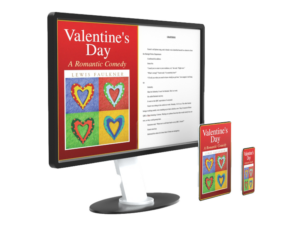
This question also appears in one of my blog posts 'XXX,' where perception shapes how relationships are understood.
*️⃣ H2-EXAMPLE
🧭 4. COMPARISON / INSIGHT BLOCK (OPTIONAL BUT POWERFUL)
Use when discussing AI vs humans or concepts:
| Concept | Humans | AI |
|---|---|---|
| Intuition | ✔ | ✖ |
| Emotion | ✔ | Simulated |
| Imagination | ✔ | Limite |
Your FAQ information:
Keep Q and A for SCHEMA
*️⃣ FAQ

...about this XXX.
Question 1
⏩ The
XXX
- EXAMPLE --
Question 2
⏩ The
XXX
- EXAMPLE --
Question 3
⏩ The
XXX
- EXAMPLE --
Question 4
⏩ The
XXX
- EXAMPLE --
Question 5
⏩ The
XXX
- EXAMPLE --
*️⃣ H2-EXAMPLE
🏁 Z. CONCLUSION (EMOTIONAL CLOSE)
Bring everything together:
- Restate core idea
- Elevate emotional meaning
- Reinforce transformation
End with:
a reflective or thought-provoking final line
*️⃣ In My Opinion/THE END
🤖 Human vs AI Intelligence Summary: What AI Still Can’t Do
Direct Answer:
Human intelligence outperforms AI in intuition, imagination, emotional reasoning, and commonsense decision-making.
Artificial intelligence is powerful—but it’s not complete.
What Primal Intelligence reveals is something deeper:
the most important forms of thinking don’t come from logic alone. They come from intuition, imagination, emotion, and commonsense—the very things that make us human.
In a world increasingly shaped by algorithms, your advantage isn’t trying to think like a machine.
It’s understanding what machines can’t do—and developing it deliberately.
Because the future won’t belong to those who process information the fastest.
It will belong to those who can interpret, adapt, and create meaning when there are no clear rules to follow.
[Add your personal closing reflection here—tie back to writing, storytelling, or your audience]
In my opinion, Primal Intelligence is an incredible nonfiction read.
The author takes a complex subject's and breaks it down into everyday language, making it so easy to process.
On top of this, he refers to real-life science principles to back up his beliefs, as well as strong authority figures in the military and scientific community.
He goes into a lot of detail about what humans can do in groups, as opposed to Artificial Intelligence, which is a breath of fresh air, these days.
*️⃣ Header Photo By
HEADER PHOTO BY NARRATIVE:
XXX
If you were Impressed By the creative Effort on This Post's Header Image, Connect with its creator.
Contact the Creative:
Photo by: Dip Devices on Unsplash
→

FaulknerFiction.com takes pride in supporting other Creatives!
*️⃣ Next Steps
HEADER PHOTO BY NARRATIVE:
XXX
Well, let's see. You're Artistic. Brilliant. Creative. Maybe even more. Don't pretend like you don't have something to say. Come on. Don't hold out on the rest of us. Leave your comments below.
How has the advent of AI (Artificial Intelligence) affected YOU? Leave your comments below.

*️⃣ Author Bio

Lewis Faulkner is the author of six novels and a creative educator with over 40 years of experience studying story structure, narrative craft, and the creative process.
👉 His work often explores how systems shape perception and how individuals respond.
*️⃣ Leave Your Comments Below.
SCHEMA
🚀 NEXT STEP (WHAT TO SEND ME)
Send me either:
OPTION A (clean format)
Q:
A:
Q:
A:
OPTION B (Divi copy/paste text)
Even messy is fine—I’ll clean it
Once you send it, I’ll:
👉 convert it into perfect schema
👉 ready for your Divi Code Module
👉 optimized for search + AI extraction
Just drop it in.
this sounds perfect. one question. how do i know if my schema is working?
Great question—because schema is one of those things that feels invisible until you know where to look.
Here’s how you can confidently check whether your schema is actually working (and not just sitting in your Divi page doing nothing).
🧠 How to Know If Your Schema Is Working
🔍 1. Google Rich Results Test (MOST IMPORTANT)
Go here:
👉 https://search.google.com/test/rich-results
What you do:
- Paste your page URL OR schema code
- Click Test URL
What you want to see:
- “Page is eligible for rich results”
- FAQ detected
- Article detected
If it’s working correctly:
You’ll see:
- FAQ items listed
- “Detected structured data” section
If something is broken:
- It will show errors like:
- invalid JSON
- missing fields
- syntax issues
🔧 2. Schema Markup Validator (DEEP CHECK)
Go here:
👉 https://validator.schema.org/
What it does:
This is more technical than Google’s tool.
It checks:
- correctness of JSON-LD
- schema structure
- missing or invalid properties
You want:
- “No errors detected”
🔎 3. Google Search Appearance (REAL-WORLD TEST)
After publishing:
Search in Google:
your blog title OR site + keyword
What to look for:
If your FAQ schema is working, you may see:
- dropdown FAQ results under your listing
- expanded snippet boxes
- enhanced description preview
Example:
👉 Questions appearing directly under your page in search results
🤖 4. AI Visibility Check (GEO layer)
This is the newer part most people miss.
Systems like ChatGPT and Google’s AI summaries don’t show schema visually—but they USE it to:
- extract questions
- pull direct answers
- understand structure of your content
Signs it’s working indirectly:
- Your content gets quoted in AI summaries
- Your answers appear verbatim in search snippets
- Your FAQ phrasing shows up in AI-generated responses
⚠️ 5. Common Reasons Schema “Looks Right” But Doesn’t Work
This is important:
❌ Broken JSON (most common)
- missing commas
- smart quotes (“ ” instead of " ")
❌ Multiple FAQ schemas on one page
- conflicts confuse Google
❌ Schema not matching visible content
- FAQ schema says things not on the page
❌ Placed inside wrong module
- must be Code Module (not Text Module)
🧠 SIMPLE DIAGNOSTIC RULE
If you remember only one thing:
If Google can’t parse it cleanly, it ignores it completely.
Schema is all or nothing.
🚀 BEST PRACTICE FOR YOUR SYSTEM
Since you’re building a repeatable blog system:
After every post, do this:
1. Run Rich Results Test
✔ Check FAQ detected
2. Validate schema
✔ No errors
3. Google search test (after indexing)
✔ Look for enhanced results
🔥 BONUS: YOUR FUTURE WORKFLOW (THIS IS POWERFUL)
Once your system is running:
You’ll be able to:
- write FAQ in Divi
- paste into schema module
- test in 10 seconds
- publish with confidence
🧠 FINAL INSIGHT
Schema is not something you “see” working immediately.
It’s something you:
verify through tools, then observe over time in search behavior
Your content goes here. Edit or remove this text inline or in the module Content settings. You can also style every aspect of this content in the module Design settings and even apply custom CSS to this text in the module Advanced settings.