Creative Consistency: 5 Powerful Ways Thinking, Imagination, and Story Shape What We Create
Creative Consistency: 5 Powerful Ways Thinking, Imagination, and Story Shape What We Create
Creative consistency shapes far more than productivity.
Most people think creativity works like lightning.
⏩ You either feel inspired, or you don’t
⏩ You either have the idea, or you don’t
⏩ But if that were true, no one would consistently produce meaningful work.
Intro
The reality is simpler and more powerful.
Creativity isn’t a moment.
It’s a system.
And once you understand how that system works, you stop waiting to create and start knowing how.
Also, through the lens of Systems Focus, this post examines how creative work is shaped by structures and incentives, asking what freedom looks like inside constraints.
Key Takeaways
⭐ Creative success is driven by systems, not inspiration
⭐ Every project follows a repeatable flow: idea → execution → refinement → completion
⭐ Most creators fail at the execution stage, not the idea stage
⭐ Creative Consistency is built through structure, not motivation
⭐ Creativity becomes scalable when treated as a repeatable process
Table of Contents
Definitions
Audience
This post is written primarily for:
→ Creatives
Primary Focus
The main conceptual focus of this post is:
→ System
Secondary Focus
The secondary focus of this post is:
→ Agency
Systems Focus
Posts under Systems explore institutions, technologies, structures, and incentives that shape human behavior and outcomes.
Perception Focus
Posts under Perception examine interpretation, belief, bias, and the stories we tell ourselves about the world.
Agency Focus
Posts under Agency investigate choice, responsibility, autonomy, and the power to act within real constraints.

1️⃣ Creative Consistency as a System, Not a Spark
🤔 What is it?
Creativity consistency as a system means designing repeatable processes that allow ideas to be generated, developed, and completed consistently.

Can creativity really be systemized?

Yes. While ideas may feel spontaneous, the process of capturing, developing, and finishing them can be structured and repeated.
🎯 Why it matters
When creativity depends on inspiration, output becomes inconsistent.
Even rare!
But if it depends on a system, output becomes somewhat reliable.
Ideas alone have no value until they are developed, refined, and completed.
This system doesn't have to be stifling.
If you wait for inspiration, how do you know when it arrives?
If you sit down at your desk every day and stay there for two hours writing something, you'll eventually have some text to work with.
Good or bad.
You'll get used to that process.
You'll show up every day and write for two hours.
This is how most people, like me, who write actually produce novels and books.
🧠 Creative Thinking Modes — How They Work (and Why They Matter)
| Creative Mode | Outcome | Key Insight |
|---|---|---|
| Logical Thinking | Clear but predictable ideas | Logic explains more than it creates |
| Intuitive Thinking | Fast, creative insights | Insight often comes before explanation |
| Constraint-Based Creativity | Focused and innovative ideas | Limits create direction |
| Free Exploration | High creativity but scattered ideas | Exploration needs refinement |
| Narrative Thinking | Deep meaning and engagement | Story is how we process complexity |
📌 Example
⏩ Set up a fixed creative time for yourself
⏩ Use the same starting ritual
⏩ Focus on process, not mood
⚙️ How to Apply/Understand It
Start writing before everything makes sense.
Let the patterns emerge.
💬 Memorable Line
“Every child is an artist. The problem is staying an artist when you grow up.” — Pablo Picasso

2️⃣ Turning Ideas into Finished Work
🤔 What is it?
The process of converting raw ideas into structured, completed creative output.
Why do most ideas never become finished work?
Because creators fail at the transition from thinking to doing. They lack a structured execution path.
🎯 Why it matters
Ideas alone have no value until they are developed, refined, and completed.
You actually have to sit down and do the work!
Everyone has ideas.
But doing it every day is creative consistency.
During those two scheduled hours, you can write, plan, and coordinate.
⏩ You can create characters
⏩ You can outline your next five scenes
⏩ You can have your word processor read the words back to you to see how the text sounds
When you begin to think of those two hours in this mindset, the work actually becomes fun and exciting!
Belive it or not, eventually, you'll be looking forward to those two hours!
📌 Example
⏩ Choose one idea
⏩ Define the first actionable step
⏩ Begin before refining
⚙️ How to Apply It
Just make a start on that creative project.
Create something tangible, however small it is.
? Memorable Line
“You can’t use up creativity. The more you use, the more you have.” — Maya Angelou
📝 Many People Dream About Writing a Novel. Few Finish One.
Explores why so many aspiring writers begin novels but never complete them.
→ Image by: Alexander Grigoryev on Unsplash
→ FaulknerFiction takes pride in supporting other Creatives!
3️⃣ Consistency Prevents Creative Blocks
🤔 What is it?
Creative blocks are not a lack of ability.
They are breakdowns in process, clarity, or structure.
Why do creative blocks feel so real?
Because uncertainty and unclear next steps create resistance in the brain, which feels like a lack of creativity.
🎯 Why it matters
Misunderstanding blocks leads to waiting instead of fixing the system causing the problem.
If you show up and begin working, true inspiration will come, because you'll begin to coordinate the scraps into something whole.
It'll seem as natural as putting a puzzle together.
If you focus on what you don't have yet, you'll discourage yourself and quit.
This is the factor that people who actually write learn after trying it out a few times.
Just show up.
Just create something.
Anything.
And witness how your mind will be challenged to coordinate those things together.
If you wait for the magic to arrive before you do anything, you'll give up and think you have no talent, when in reality, you're just not nurturing that talent!
I know.
I've learned this lesson the hard way, myself.
📌 Example
Plot happens when characters make decisions they can’t undo.
What decision could your character make right now that would be impossible to undo?
⚙️ How to Apply It
Start writing before everything makes sense.
Let patterns emerge.
💬 Memorable Line
Creativity is just connecting things.” — Steve Jobs
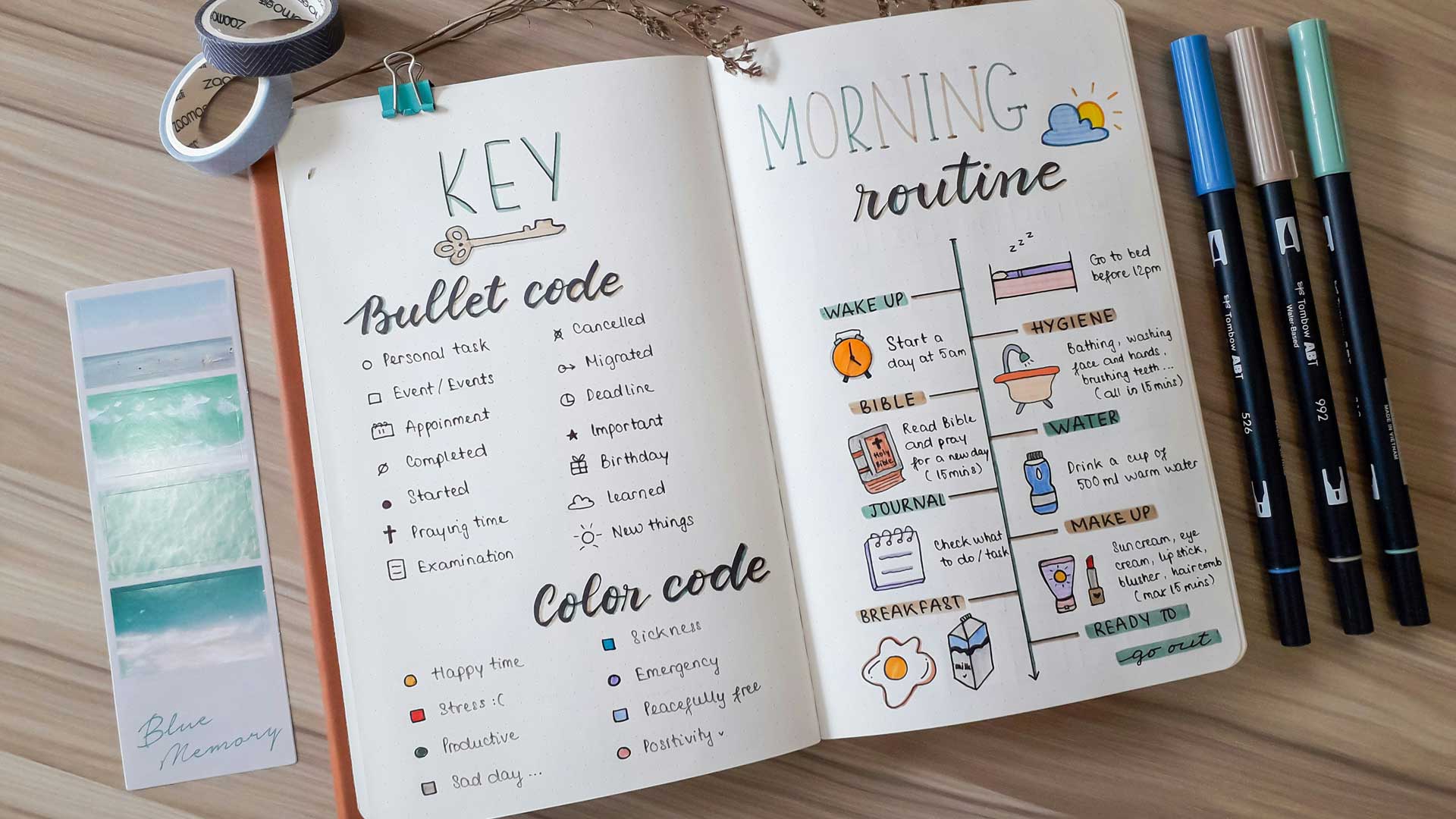
→ Image by: Ngo Ngoc Khai Huyen on Unsplash
→ FaulknerFiction takes pride in supporting other Creatives!
4️⃣ Routine Creates Creative Momentum
🤔 What is it?
A structured daily or weekly pattern that makes creative work automatic rather than optional.
Does routine limit creativity?
No. Routine removes friction, making it easier to begin and sustain creative work.
🎯 Why it matters
Consistency builds skill, output, and confidence over time.
The more fragments of a project you create, the more you have to work with!
Fragments are wonderful.
If you're a writer, like me, a fragment could be
⏩ Why a character does something
⏩ Specifics about where your story is located
⏩ How two people's love is unique
⏩ How the beginning and end of your story fit together
You don't have to have all the answers yet.
You just need to start.
Then, think about how all those things might coordinate.
It may surprise you, but even when you're almost finished with your story, you'll probably still be getting idea fragments for that story!
And that's a good thing!
📌 Example
Many prolific creators follow predictable schedules, allowing output to compound daily.
⚙️ How to Apply It
Work at the same time each day
⏩ Use a consistent entry ritual
⏩ Set a minimum output rule
💬 Memorable Line
“Amateurs sit and wait for inspiration, the rest of us just get up and go to work.” — Stephen King
5️⃣ Consistency Builds Creative Identity
🤔 What is it?
The process by which repeated creative output develops skill, voice, and recognizable identity.
How does consistency shape identity?
Repeated output reveals patterns in thinking and style, which evolve into a distinct creative voice.
🎯 Why it matters
Identity is not discovered.
It's built through repetition.
If you show up every day, expect to see this pattern:
1. Capturing the idea
2. Defining the next action
3. Start immediately
4. Produce minimum output
5. Stop and log your progress
I'm trying to talk you through the most awkward part of the process.
It's right before you start!
📌 Example
A writer’s voice becomes clearer after dozens or hundreds of pages.
Not before.
⚙️ How to Apply/Understand It
⏩ Focus on frequency over perfection
⏩ Track output, not quality
⏩ Let patterns emerge over time
💬 Memorable Line
“The scariest moment is always just before you start.” — Stephen King

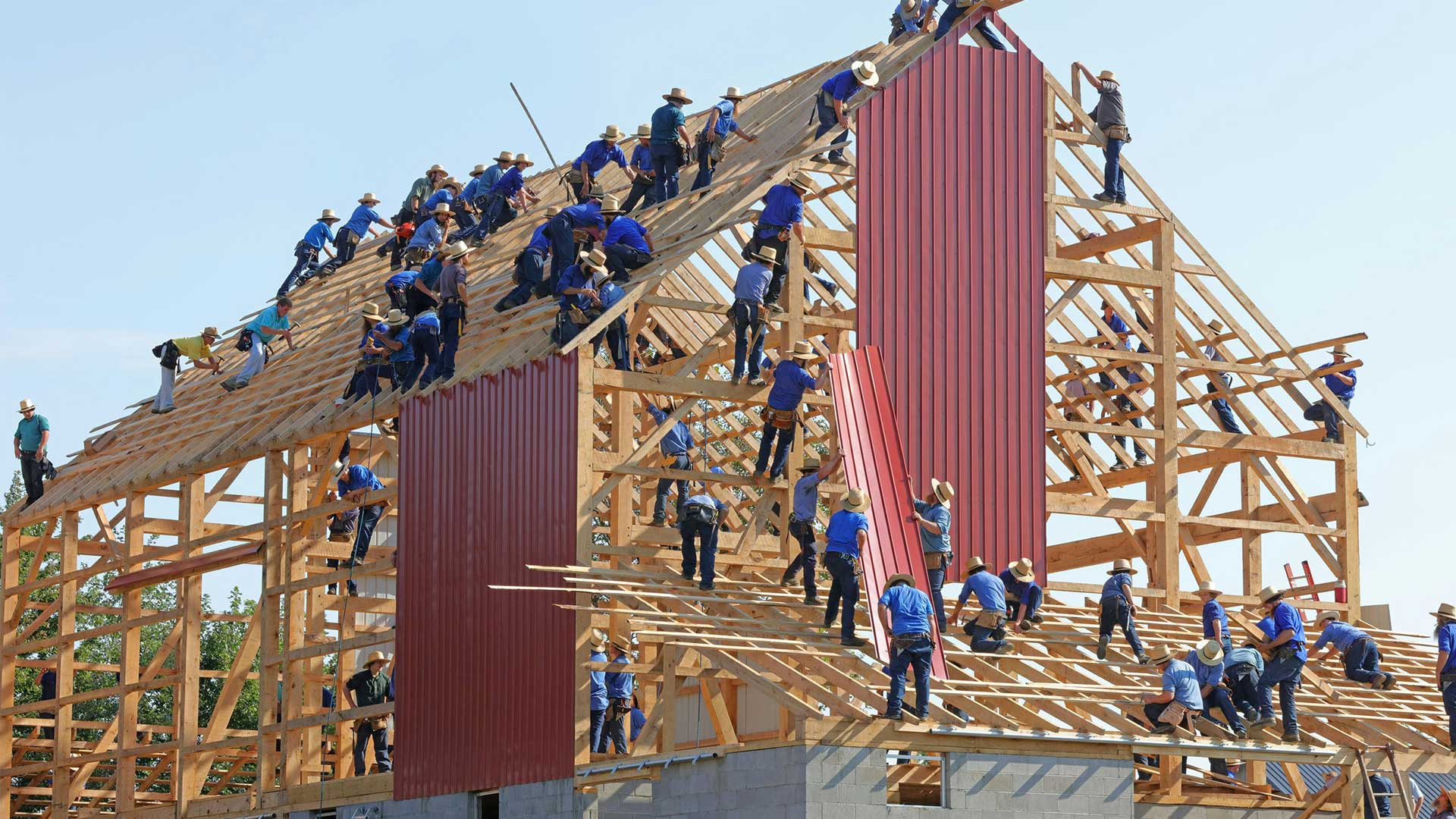
→ Image by: Andrew Ridley on Unsplash
→ FaulknerFiction takes pride in supporting other Creatives!
🧩 The Pattern Behind the Process
For me, personally, creativity feels unpredictable when you rely on inspiration.
I prefer building the system, not the moment!
And once you begin to see it as a system—something structured, repeatable, and designed—it becomes far more controllable.
The structure isn't a cage.
It's a fence to keep everything else out.
Stop asking: “Do I feel creative today?”
Instead, start asking: “What is the next step in my process?”
That shift changes everything.
Because creativity isn’t about waiting for the right moment.
It’s about building a system where the moment becomes inevitable.
Once you recognize this pattern, something shifts.
You’re no longer just consuming culture.
You’re interpreting it.
That awareness changes everything:
? Trends become signals, not distractions
? Stories become frameworks, not just entertainment
? Art becomes insight, not just expression
Your thoughts become framents of your next project!
More importantly, it positions you differently inside the system. You begin to see not just what culture is doing, but why it’s doing it. And, where it might go next.
Because consistency isn’t static.
It loops, evolves, reacts, and reinvents itself.
Continuously.
And the more fluently you can read those cycles, the more clearly you can understand both the world around you and the creative work that emerges from it.

🔍 Explore Another Angle
How to Write a Novel That Actually Works
A great idea isn't enough. Learn how structure, story, and process transform inspiration into a finished novel.
→ Read the full post
FAQs

...about Creativity.
What is creative intelligence?
Creative intelligence is the ability to generate, connect, and refine ideas by combining logic, intuition, and imagination.
How does creative thinking actually work?
It works through a mix of exploration, pattern recognition, and structure, often moving from unformed ideas to organized concepts.
Why do constraints help creativity?
Constraints provide direction and focus, forcing more intentional and innovative thinking.
Can creativity be improved or learned?
Yes, creativity improves through practice, exposure to new ideas, and learning how to move between thinking modes.
Why is storytelling important in creativity?
Storytelling helps organize ideas and communicate them in a way that is meaningful and engaging.
Explore Even More
🛠️ You’ve just seen how consistency—not talent—is what actually builds creative momentum over time.
But insight only matters if it becomes behavior.
→ Watch This Youtube Video: The Stephen King Advice that Changed My Writing by Karen Wilson
No Results Found
The page you requested could not be found. Try refining your search, or use the navigation above to locate the post.
Show Me More Posts ABOUT: For Creatives
Show Me More Posts that include THIS TOPIC:
Author Bio

Lewis Faulkner is the author of six novels and a creative educator with over 40 years of experience studying story structure, narrative craft, and the creative process.
His work often explores how systems shape perception and how individuals respond.
Comments

Come on.
You know you've got something you want to say!
Your Comments
Header Image By
If you were Impressed By the creative Effort on This Post's Header Image, Connect with its creator.

FaulknerFiction.com takes pride in supporting other Creatives!
0 Comments