Immersive Art Experiences: 5 Powerful Ways Museums Are Transforming in the Modern Era
Immersive Art Experiences: 5 Powerful Ways Museums Are Transforming in the Modern Era

Intro
Let's redefine museum by getting into a time machine set for 2026!
Immersive Art experiences represent a fundamental shift in how culture processes its Art. Museums are rejecting static observation. They're moving toward dynamic participation.
This approach allows technology, environment, and human interaction to merge, creating an emotionally resonant, memory-rich storytelling experience. Modern museums are evolving from static viewing spaces into immersive, interactive environments.
Technology, sensory design, and participatory are the unacknowledged power behind this shift.
Also, through the lens of Systems Focus and Perception Focus, this essay explores how cultural value is constructed, asking who decides what matters and why.
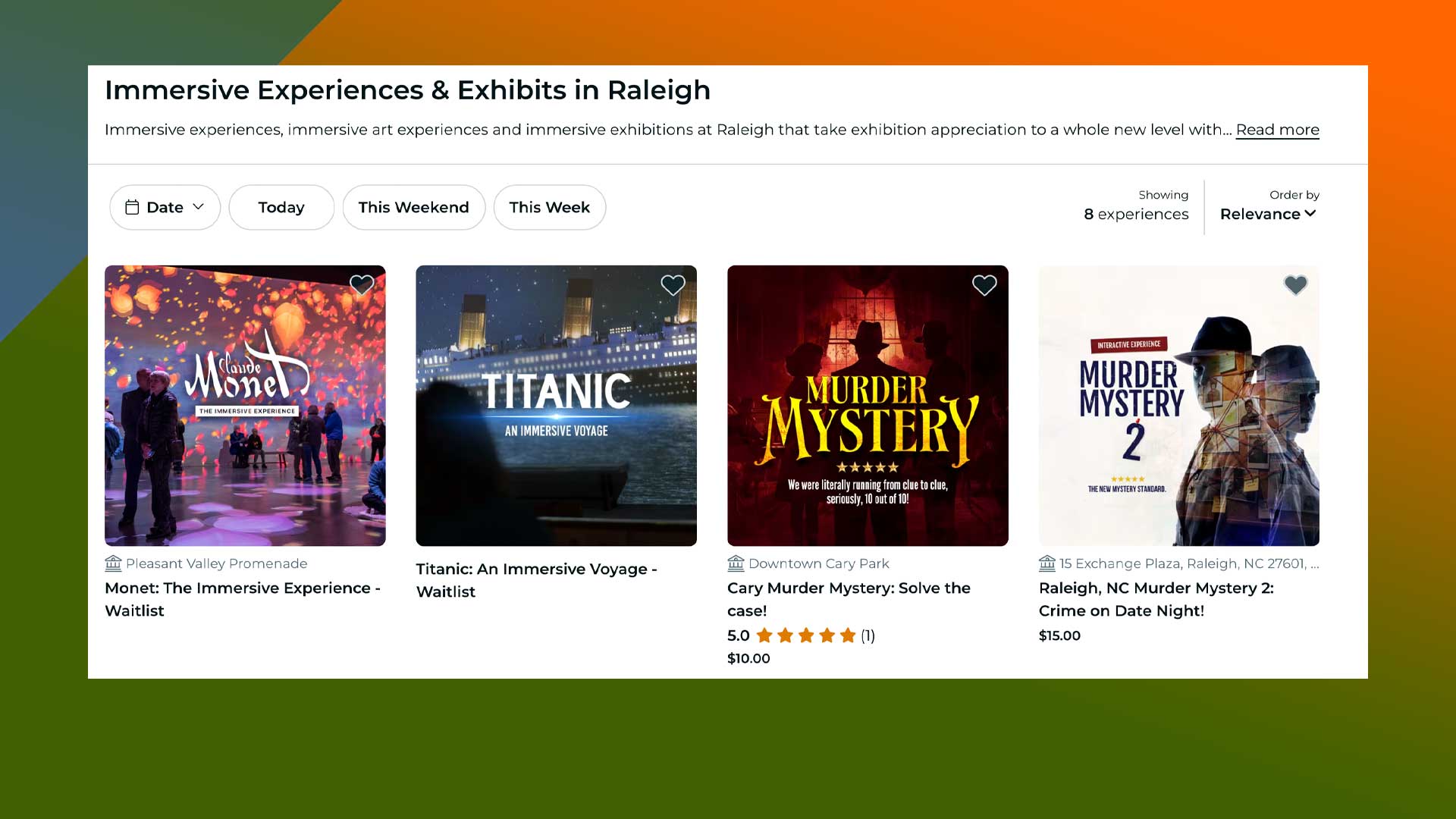
If you live near Raleigh, NC, like I do, don't assume this is all taking place in an extra-large city. Here are some places you can begin!
Try one this weekend!
Not in the Raleigh, NC area? Check here to find immersive art near you.
Key Takeaways
🔥 Museums are shifting from passive observation to active participation.
🔥 Technologies like projection mapping, VR (Virtual Reality), and AI (Artificial Intelligence) are redefining artistic engagement.
🔥 Institutions like teamLab Borderless and The Museum of Modern Art (MoMA) are leading innovation.
🔥 Immersive art increases emotional retention, accessibility, and visitor engagement.
🔥 The future museum experience is multi-sensory, data-driven, and socially shareable.
Table of Contents
Definitions
Audience
This post is written primarily for:
→ Arts & Culture
Primary Focus
The main conceptual focus of this post is:
→ Systems
Secondary Focus
The secondary focus of this post is:
→ Perception
Systems Focus
Posts under Systems explore institutions, technologies, structures, and incentives that shape human behavior and outcomes.
Perception Focus
Posts under Perception examine interpretation, belief, bias, and the stories we tell ourselves about the world.
Agency Focus
Posts under Agency investigate choice, responsibility, autonomy, and the power to act within real constraints.
→ FaulknerFiction takes pride in supporting other Creatives!
1️⃣ Projection Mapping & Digital Environments
🤔 What is it?
Projection mapping transforms entire rooms, buildings, and objects into dynamic visual canvases. Instead of viewing art on walls, visitors step inside moving environments that respond to architecture and motion.

Why is projection mapping important in modern museums?

It removes physical limitations, allowing entire environments to become storytelling surfaces that surround the visitor.
🎯 Why it matters
Since I'm a history buff, I was drawn to the aspects of historical storytelling through animated reconstructions. It breathes life into the past and allows creators to overcome the limitations of archival footage and physical ruins. Also, it can act as a powerful bridge between digital archaeology and narrative, transforming static historical data into deeply immersive, emotional, and accessible experiences.
⏩ The Power of Animated Documentaries
When photography or video isn't available, animation bridges the gap. Groundbreaking animated documentaries utilize rotoscoping, archival audio, and illustrative storytelling to give audiences a visceral "you are there" experience.
⏩ Reconstructing Tragedies: The animated documentary Tower utilizes voice actors and vintage audio to reconstruct the 1966 University of Texas sniper incident, smoothing over varying source materials to create a deeply moving narrative.
⏩ Digital Archaeology & Site Reconstructions
Historical sites that have been destroyed or lost to time can be precisely rebuilt in 3D using photogrammetry and architectural data.
Learn more about recovering lost cultural heritage on the Time Machine Europe project page.
Dive into the visual history of the medium via the An Animated Reconstruction of Ancient Rome overview on Open Culture.
📌 Examples Institutions
⏩ TeamLab Borderless Fluid digital worlds with no fixed artwork placement.
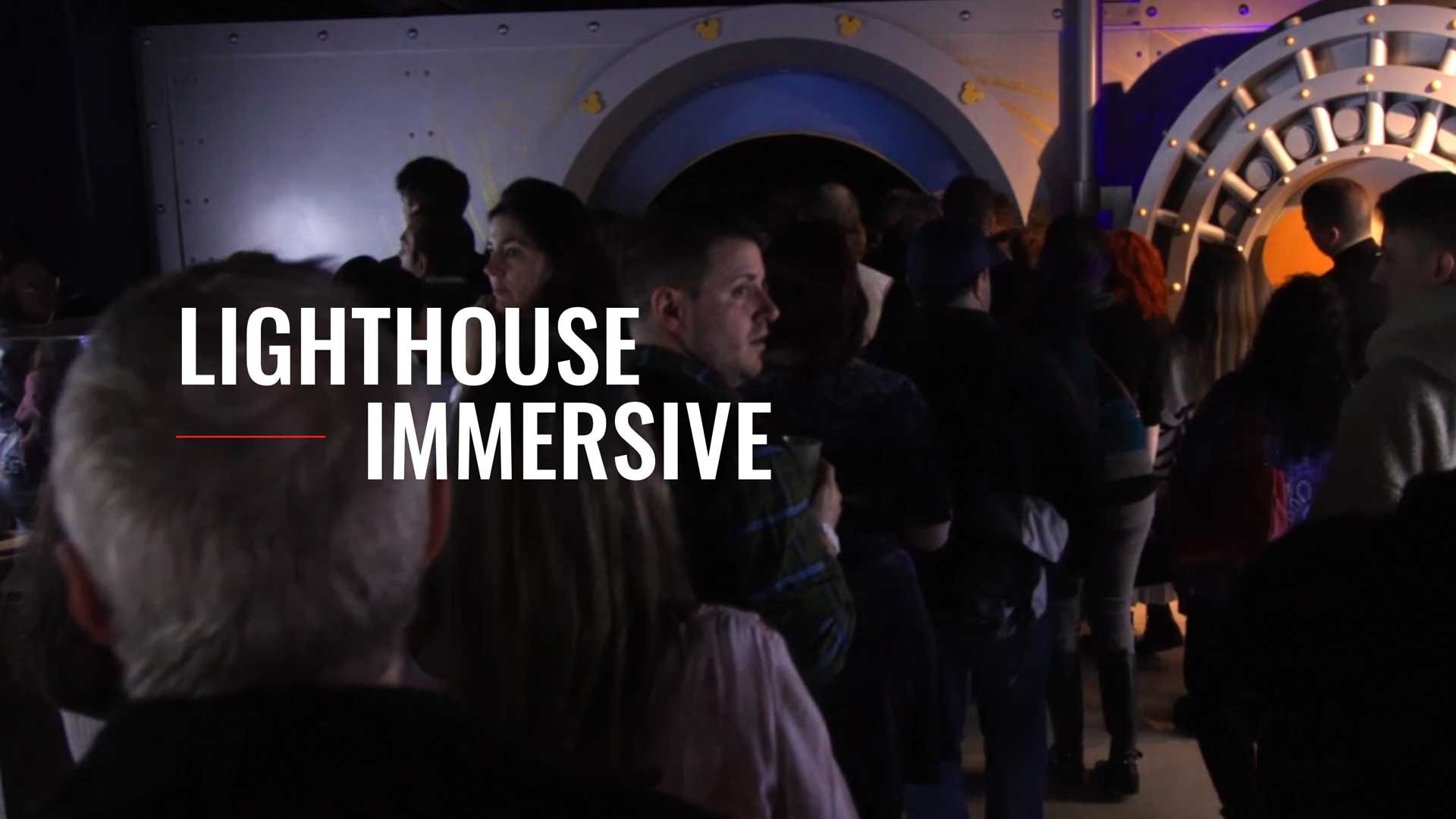
⏩ Lighthouse Immersive Large-scale projection art exhibitions.
💬 Memorable Quote
“The walls are no longer boundaries—they are canvases for experience.” — Contemporary Museum Design Journal
→ FaulknerFiction takes pride in supporting other Creatives!
2️⃣ Interactive and AI-Driven Exhibits in Immersive Art Experiences
🤔 What is it?
AI and interactive systems allow visitors to influence artworks in real time, changing visuals, sound, or narrative outcomes based on movement or input.
How does AI change the museum experience?
It creates adaptive exhibits that respond uniquely to each visitor, making every experience personalized.
🎯 Why it matters
In an article on Medium, Interactive and AI-driven exhibits Narsan Studios are transforming traditional, passive viewing into living, multisensory experiences.
Powered by real-time data, machine learning, and computer vision, these setups allow visitors to shape environments through movement, converse with digital avatars, and explore the creative possibilities of technology.
Best of all, it's personalized!
⏩ Outline a visitor experience journey map tailored to a specific audience.
⏩ Explore technologies for visitor behavior analysis.
⏩ Provide examples of interactive exhibits.
"AI analyzes visitor behavior and preferences to deliver tailored content. This ensures every visitor experiences the museum differently, increasing engagement and satisfaction."
Key Types of AI-Driven Exhibits
⏩ Responsive & Generative Spaces: Exhibits like the Dream Garden - The Tech Interactive use depth sensors and language models to track your movements. These interactions create dynamic digital landscapes, transform physical data into multilingual poetry, or turn drawn lines into complex animations in real-time.
⏩ Conversational Avatars & Guides: Intelligent systems use natural language processing to listen to your questions and provide tailored, dynamic narration. Some museums even use robotic or projected characters that act as personalized tour guides.
⏩ Data-Driven Art: Institutions are highlighting synthetic imagination, Dataland in Los Angeles showcases how environmental data can be translated into evolving, reactive visual environments.
⏩ Interactive Storytelling: AI Hero—a playful touring concept—uses conversational AI and generative voices to guide users through their own customized museum "hero's journey".
How Museums Create These Experiences
⏩ Computer Vision & Tracking: Ceiling and wall-mounted cameras capture body data and movement, translating real-world physics into digital actions.
⏩ Generative AI Models: Small Language Models (SLMs) and generative algorithms parse visitor inputs and immediately output personalized text or art.
⏩ Projection Mapping: Powerful projectors coat walls, floors, and 3D objects with dynamic visuals that shift instantly depending on who is in the room.
⚙️ Examples Institutions
⏩ Artechouse Digital + AI-driven art environments.
⏩ The Barbican Centre Experimental interactive installations.
💬 Memorable Quote
“AI doesn’t replace the artist—it extends the canvas into real-time collaboration with the audience.” — MIT Media Lab researcher
→ FaulknerFiction takes pride in supporting other Creatives!
3️⃣ Virtual and Augmented Reality Art Spaces in Immersive Art Experiences
🤔 What is it?
VR and AR allow museums to extend beyond physical walls, creating fully digital galleries or overlaying art into real-world environments.
What is the main benefit of VR in museums?
It allows global audiences to experience exhibitions without physical travel, expanding accessibility dramatically.
🎯 Why it matters
⏩ Public and Placeless Exhibitions: Artists can stage massive, surreal virtual sculptures or interactive installations in public parks, on city streets, or directly inside your living room.
⏩ Boulevard Arts: Uses AR/VR to bring iconic paintings and drawings from global museums into your own space, revealing hidden historical details and the artist's creative process.
⏩ Accessibility: AR relies on the devices visitors already carry (smartphones), making it much more affordable and easier to scale than VR.
📌 Example Institutions
⏩ The Louvre Museum VR-based digital exhibitions and global access initiatives.
⏩ Smithsonian Institution AR-enhanced educational experiences.
💬 Memorable Quote
“Virtual reality allows museums to become infinite—no longer bound by geography or architecture.” — Museum Futures Report
→ FaulknerFiction takes pride in supporting other Creatives!
4️⃣ Multi-Sensory Museum Design In Immersive Art (Sound, Scent, Touch)
🤔 What is it?
Modern immersive exhibits engage all five senses, not just sight. This creates deeper emotional memory and stronger narrative immersion.
Why use multi-sensory design in museums?
It increases emotional retention and makes exhibitions more inclusive and memorable for diverse audiences.
🎯 Why it matters
⏩ Touch (Tactile): Inviting visitors to physically handle objects, feel textured wall panels, or touch 3D models.
⏩ Sound (Auditory): Using spatial audio, environmental sounds, or music specifically composed for an artwork to set the emotional tone.
⏩ Smell (Olfactory): Diffusing targeted scents into a space to evoke historical eras, environments, or moods.
⏩ Movement (Kinesthetic): Designing interactive, movement-based zones that let visitors engage their bodies and explore at their own pace.
📌 Example Institutions
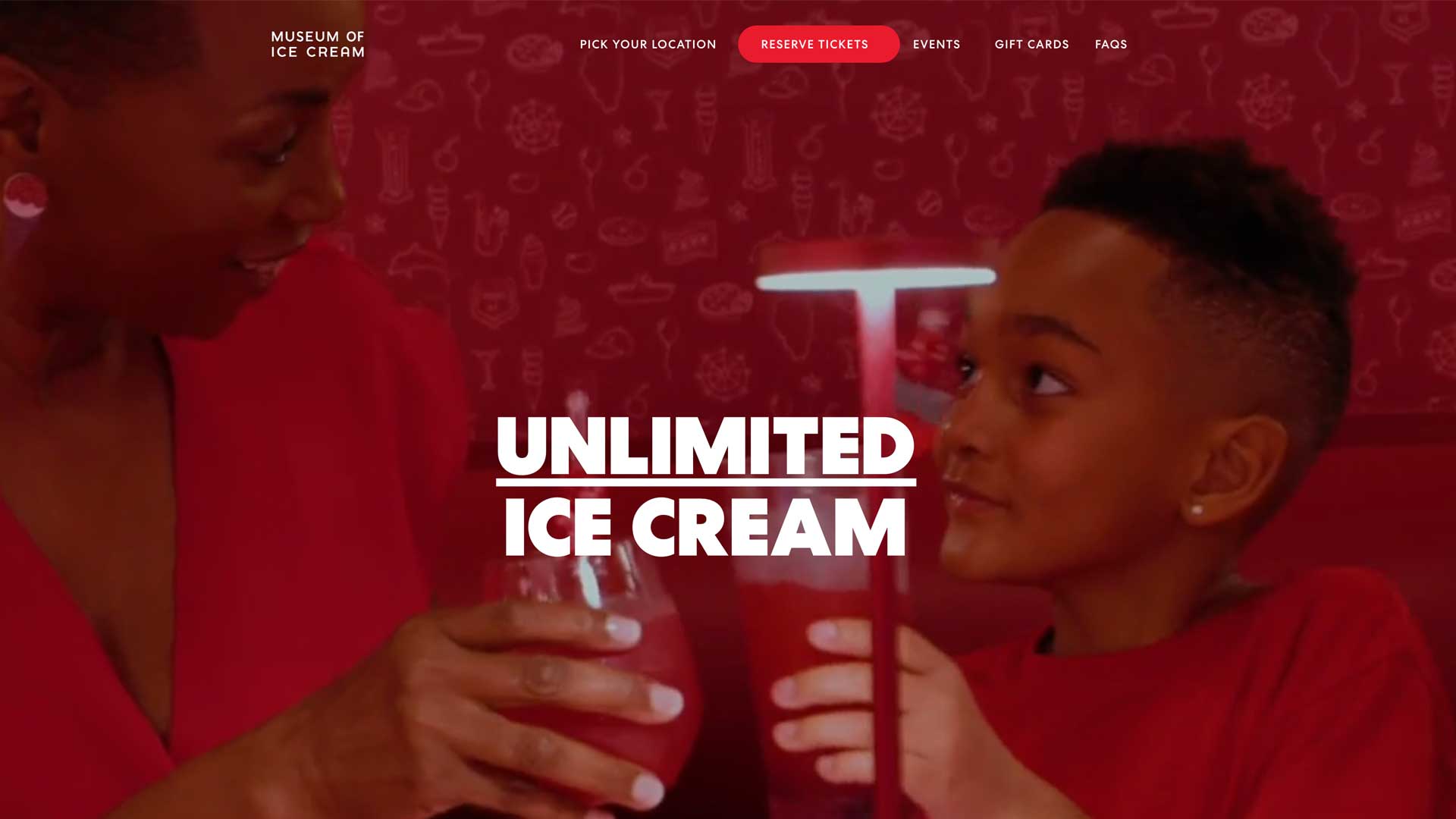
⏩ Museum of Ice Cream Playful sensory engagement spaces.
⏩ National Museum of Singapore Multi-sensory historical storytelling exhibits.
💬 Memorable Quote/Line
“Memory is not visual alone—it is built through sensory overlap.” — Cognitive Museum Studies
🎭 Arts & Culture Today: 5 Powerful Trends Shaping What We Watch, Read, and Experience.
Learn how modern cultural trends, symbolism, media, and globalization shape perception, identity, and artistic expression.
→ FaulknerFiction takes pride in supporting other Creatives!
5️⃣ Social Media-Driven and Shareable Installations
🤔 What is it?
Museums now design exhibits specifically for digital sharing, turning visitors into amplifiers of the experience through social media.
How does social media influence museum design?
Exhibits are now designed to be visually striking and interactive to encourage sharing, increasing global reach.
🎯 Why it matters
⏩ Photo-Friendly Environments: Visually striking setups (e.g., projection mapping, mirror rooms, or vibrant murals) that naturally prompt attendees to take photos.
⏩ Responsive Technology: Installations that react to participant movements or actions create unique, personalized moments that users want to post.
⏩ Seamless Sharing: Touchless features like QR codes allow users to easily download and share media straight to platforms like Instagram, TikTok, and Facebook.
⏩ RFID Integration: Some setups use RFID wearables that connect physical activities (like scanning an "I like it" button or checking in) directly to a user's social profile.
📌 Example Institutions
⏩ Museum of Ice Cream Playful sensory engagement spaces.
⏩ Wanderlust Museum Interactive visual storytelling spaces.
💬 Memorable Quote/Line
“Today’s exhibition is not complete until it lives online.” — Digital Culture & Museums Review
🧩 The Pattern Behind the Process
For me, personally, immersive art experiences are reshaping what it means to engage with culture, turning museums into dynamic environments where technology, storytelling, and human perception merge.
As institutions continue to evolve, the line between viewer and artwork becomes increasingly fluid, creating spaces that are not just seen but felt.
In this shift from observation to participation, the future of museums is no longer distant.
It's already unfolding around us.

Next Steps
🔥 Platforms like Google Arts & Culture and local event listings often highlight nearby immersive museum experiences, while traveling exhibitions frequently appear in arts centers, science museums, and dedicated experiential venues.
→ Just visit one!

FAQs

...about Immersive Art Experiences.
What is immersive art in museums?
Immersive art uses technology, sensory design, and interactive environments to engage visitors beyond traditional viewing.
Rather than simply observing artwork, visitors become active participants in experiences that may include projection mapping, virtual reality, soundscapes, responsive installations, and multi-sensory storytelling.
How are museums using technology today?
Museums are increasingly using technologies such as virtual reality (VR), augmented reality (AR), artificial intelligence (AI), projection mapping, and interactive displays to create more engaging visitor experiences.
These tools help institutions present information in dynamic ways while making exhibitions more accessible and memorable.
What are examples of immersive museums?
Popular examples include teamLab Borderless in Tokyo, Artechouse in Washington, D.C., and the Museum of Ice Cream in New York City.
These destinations are known for creating environments where visitors can interact with art, technology, and storytelling in unique and highly visual ways.
Why is immersive art becoming popular?
Immersive art appeals to modern audiences because it encourages participation rather than passive observation.
It creates memorable experiences, supports experiential learning, and aligns with growing interest in interactive entertainment, digital culture, and social media sharing.
Will immersive museums replace traditional museums?
No.
Immersive museums are best viewed as an evolution rather than a replacement. Traditional museums continue to preserve and interpret important collections, while immersive experiences offer new ways to engage audiences, tell stories, and deepen cultural understanding.
Explore More
🔥 You’ve just seen how immersive art is changing the public perception of museums as being boring, old, and dull
No Results Found
The page you requested could not be found. Try refining your search, or use the navigation above to locate the post.
Show Me More Posts ABOUT: Arts and Culture
Show Me More Posts that include THIS TOPIC:
Author Bio

Lewis Faulkner is the author of six novels and a creative educator with over 40 years of experience studying story structure, narrative craft, and the creative process.
His work often explores how systems shape perception and how individuals respond.
Your Comments

Come on.
You know you've got something you want to say!
0 Comments