😵💫 Creative Burnout: Signs, Causes, and Recovery Strategies for Artists and Writers
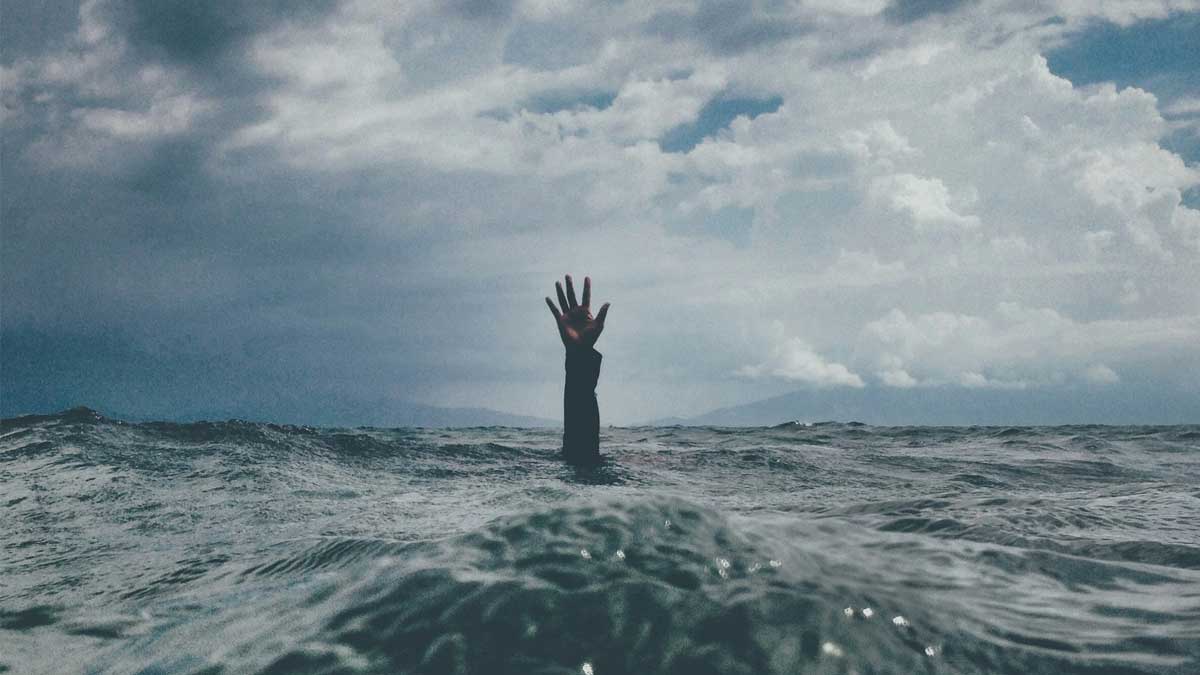
😵💫 Creative Burnout: Signs, Causes, and Recovery Strategies for Artists and Writers
Creative burnout doesn't mean you've lost your talent!
In fact, it often means you've been running your creative engine without enough time to refuel.
🤯 Intro
Let's talk about a fear many creatives secretly have.
"What if I've lost my creativity?"
Imagine sitting in front of your keyboard, canvas, camera, or instrument and feeling...nothing.
Ideas that once came naturally now feel distant. Projects remain unfinished. Inspiration feels like a language you used to speak fluently but can barely remember.
Most creatives assume something is wrong with their talent.
In reality, the problem is often burnout, not ability.
This post explores how creative burnout develops, why it affects passionate creators, and how you can recover your creative energy without abandoning your work.
Also, through the lens of Systems Focus and Perception Focus, this essay explores how cultural value is constructed, asking who decides what matters and why.
🥴 Key Takeaways
🔑 Burnout is different from temporary writer's block.
🔑 Creative burnout develops gradually.
🔑 High-achieving creatives are often most vulnerable.
🔑 Recovery requires both rest and intentional rebuilding.
🔑 Sustainable creative systems prevent future burnout.
🔑 Long-term creativity depends on balance, not constant output.
Table of Contents
📖 Definitions
Audience
This post is written primarily for:
→ Ceatives
Primary Focus
The main conceptual focus of this post is:
→ Systems
Secondary Focus
The secondary focus of this post is:
→ Agency
Systems Focus
Posts under Systems explore institutions, technologies, structures, and incentives that shape human behavior and outcomes.
Perception Focus
Posts under Perception examine interpretation, belief, bias, and the stories we tell ourselves about the world.
Agency Focus
Posts under Agency investigate choice, responsibility, autonomy, and the power to act within real constraints.

→ Image by: Tranage Dave on Unsplash
→ FaulknerFiction takes pride in supporting other Creatives!
1️⃣ What Is Creative Burnout?
🤔 What is it?
Creative burnout is a state of mental, emotional, and creative exhaustion that develops when the demands of creating consistently exceed the mind's ability to recover.
Unlike ordinary fatigue, burnout affects enthusiasm, curiosity, and motivation. A burned-out creator may still possess the same talent and skills, but accessing them feels increasingly difficult.
What once felt exciting now feels draining.

How do I know if I'm experiencing creative burnout?

If creative work that once energized you now feels like an obligation, if motivation has disappeared, or if even small creative tasks seem overwhelming, burnout may be the underlying cause.
🎯 Why it matters
Many artists and writers mistake burnout for a loss of creativity.
They assume they've run out of ideas, lost their edge, or simply aren't talented enough.
In reality, burnout often has little to do with ability and everything to do with depleted creative resources.
Understanding the difference can prevent creators from abandoning projects, careers, or passions unnecessarily.
ℹ️ A Definition Beyond Ordinary Stress
Most people experience stress.
Creative burnout goes further.
Burnout occurs when prolonged demands exceed your ability to recover. For creatives, this exhaustion often affects not only energy levels but imagination itself.
For example, I've experienced periods where the words came easily and periods where every page felt difficult.
🤯 Why Creatives Experience Burnout Differently
Creative work is unusual because the product often comes directly from the creator's mind.
When a teacher teaches or an accountant prepares taxes, there is usually some emotional distance between the worker and the work.
Creative work rarely offers that separation.
📌 Writers publish their thoughts.
📌 Artists display their vision.
📌 Musicians perform their emotions.
📌 The work becomes personal.
👤 The Personal Cost
When creative output slows, many creators don't merely think:
"My project isn't working."
Instead they think:
"Maybe I'm not creative anymore."
That mistaken belief often deepens burnout.
📌 Example
A novelist who once wrote daily now avoids opening the manuscript.
⚙️ How to Apply/Understand It
Consider two writers.
One writes obsessively for three months, burns out, and quits for six months.
The other writes consistently for a few hours every day over several years.
The second writer almost always produces more work and enjoys a healthier creative life.
💬 Memorable Quote/Line
"Inspiration exists, but it has to find you working."
Pablo Picasso
🎓 Expert Perspectives
📄 Understanding the Burnout Experience: Recent Research and Its Implications for Psychiatry
👤 Christina Maslach, Ph.D. & Michael P. Leiter, Ph.D.
📝 Why It's Worth Reading: Written by the researchers who pioneered modern burnout research, this landmark peer-reviewed paper explains what burnout is, how it develops, and why recovery requires more than simply taking time off.
📄 Burn-out: An Occupational Phenomenon
👤 World Health Organization
📝 Why It's Worth Reading: The World Health Organization provides the internationally recognized definition of burnout, helping readers distinguish it from ordinary stress and understand its workplace origins.
📄 Job Burnout: How to Spot It and Take Action
👤 Mayo Clinic
📝 Why It's Worth Reading: This physician-reviewed guide explains the warning signs of burnout while offering practical, evidence-based strategies for beginning the recovery process.
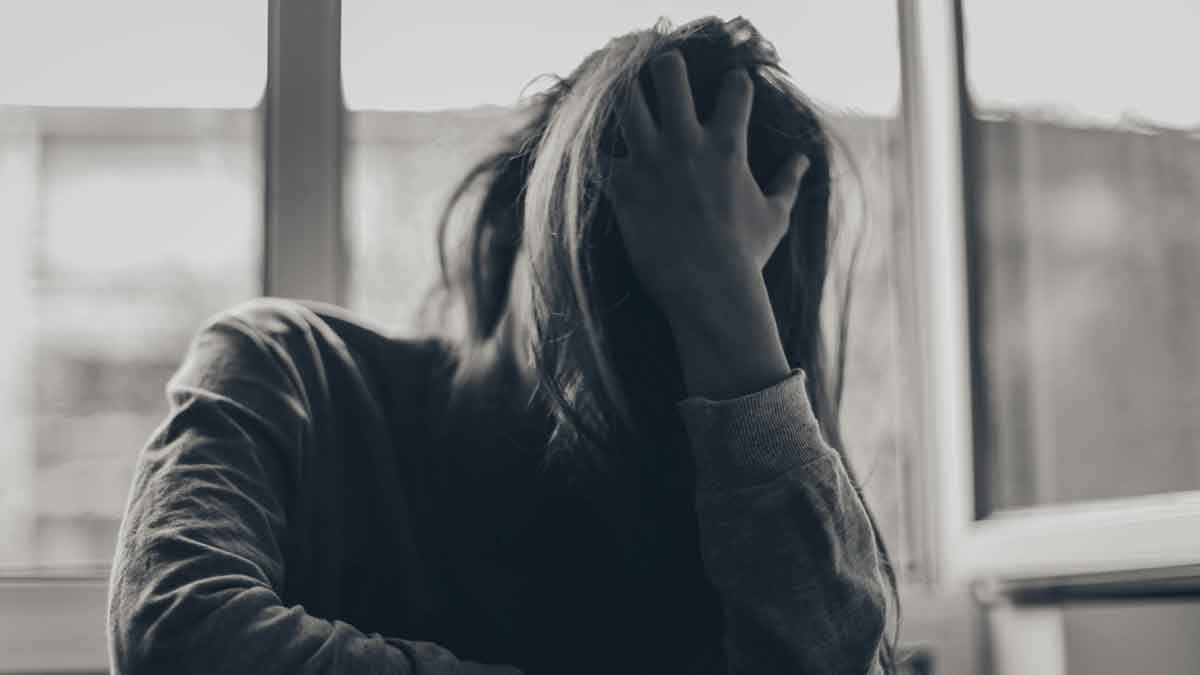
→ Image by: Pars Sahin on Unsplash
→ FaulknerFiction takes pride in supporting other Creatives!
2️⃣ What Causes Creative Burnout?
🤔 What is it?
Burnout is not usually a character flaw or a lack of discipline.
More often, it is the predictable result of an unsustainable creative process.
Why did something I love begin to feel like work?
Because creative passion can slowly become creative obligation. What starts as a source of joy can become weighed down by expectations, financial concerns, marketing demands, perfectionism, and the pressure to consistently produce results.
🎯 Why it matters
Understanding the causes of burnout helps creators recognize that the problem is often systemic rather than personal.
Burnout is not usually a character flaw or a lack of discipline.
More often, it is the predictable result of an unsustainable creative process.
🔥 Creative Burnout Triggers — What They Look Like and Why They Matter
|
Burnout Trigger |
What It Looks Like |
Key Insight |
|
Constant Output |
Always producing without recovery |
Recovery disappears |
|
Perfectionism |
Endless revisions and self-criticism |
Progress slows |
|
Comparison |
Measuring yourself against others |
Confidence suffers |
|
Financial Pressure |
Creativity tied to income goals |
Stress increases |
|
Lack of Rest |
No recovery periods between projects |
Exhaustion accumulates |
𓂃✍︎ From My Desk: Burnout
Burnout, for me, by its very nature, can only occur with people who give their heart and soul to a project. They think about the project night and day, struggle with their obsessions, and drift occasionally into deep depression.
If a would-be artist can only give fifteen minutes to their project per day, they’re more likely to suffer burnout from two other directions.
While all of this is going on, artists are surrounded by an instant gratification culture, which is always whispering to the artist ‘why can’t you hurry up. Why can’t you get the job done faster.’
At a third level is the reality that most twenty-first-century artists, not only struggle to coordinate family, children, and obligations they can’t ignore, but they also have to make a living where their boss always has them on a deadline.
What makes you tired, overall, rarely is just overworking on your artistic project alone.
Therefore, solution strategies often lean more healiby on life-balance.
Which, of course, is much more complex.
How to Be Creatively Consistent
5 Powerful Ways to Do It
📌 Example
Consider an independent author.
Writing the novel may initially be the most exciting part of the process.
After publication, however, the workload expands dramatically:
📌 Website management
📌 Email newsletters
📌 Social media
📌 Advertising
📌 Reader engagement
📌 Platform building
📌 Book launches
None of these activities are inherently bad.
The challenge occurs when they consume so much energy that little remains for the creative work itself.
⚙️ How to Apply/Understand It
Creative burnout isn't a personal failure.
It's a signal that your creative system needs attention.
Before trying to fix it, recognize that burnout is different from an occasional bad day or temporary lack of inspiration.
⚙️ Ask yourself whether you've lost motivation for days, weeks, or months—not just today.
⚙️ Separate normal creative slumps from ongoing emotional and mental exhaustion.
⚙️ Accept that recognizing burnout early is the first step toward recovering from it.
💬 Memorable Quote/Line
"You do not rise to the level of your goals. You fall to the level of your systems."
James Clear
🎓 Expert Perspectives
📄 The Power of Small Wins
👤 Teresa Amabile & Steven Kramer (Harvard Business Review)
📝 Why It's Worth Reading: Learn how meaningful progress—not giant breakthroughs—helps sustain motivation, creativity, and long-term job satisfaction.
📄 Stress
👤 American Psychological Association
📝 Why It's Worth Reading: The APA explains how chronic stress affects the brain, reducing concentration, creativity, emotional resilience, and overall mental well-being.
📄 Burnout: Symptoms, Causes & Treatment
👤 Cleveland Clinic
📝 Why It's Worth Reading: Discover how emotional exhaustion, prolonged stress, and unrealistic expectations interact to create burnout and why early intervention matters.
→ Image by: Bernd 📷 Dittrich on Unsplash
→ FaulknerFiction takes pride in supporting other Creatives!
3️⃣ What Are the Warning Signs of Creative Burnout?
🤔 What is it?
Burnout often reveals itself long before a creator recognizes it.
The warning signs may begin emotionally, mentally, physically, or creatively.
But paying attention to these signals can prevent temporary exhaustion from becoming a long-term problem.
Am I burned out? Or just tired?
Ordinary fatigue usually improves after rest. Burnout often lingers despite days off, vacations, or attempts to push through. It affects not only energy but also enthusiasm and engagement.
🎯 Why it matters
The earlier burnout is recognized, the easier it is to address.
Ignored burnout tends to deepen over time, making recovery more difficult and more disruptive to creative work.
📌 Example
A writer who once spent weekends outlining stories and brainstorming new ideas now spends those same weekends avoiding creative work entirely.
The issue isn't a lack of time.
The issue is a lack of energy and desire.
The creative pond has become depleted.
⚙️ How to Apply/Understand It
Think back over the last month instead of today. Burnout develops gradually, so patterns matter much more than isolated moments of frustration.
⚙️ Write down three warning signs you've noticed in yourself.
⚙️ Identify which signs have become more frequent recently.
⚙️ Choose one habit you can change before those symptoms become overwhelming.
💬 Memorable Quote/Line
"The worst enemy to creativity is self-doubt."
Sylvia Plath
🎓 Expert Perspectives
📄 The Creative Habit
👤 Twyla Tharp
📝 Why It's Worth Reading: One of the world's most respected creative professionals explains why discipline, routine, and consistency matter far more than waiting for inspiration.
📄 Big Magic
👤 Elizabeth Gilbert
📝 Why It's Worth Reading: Gilbert offers an encouraging perspective on fear, curiosity, and maintaining a joyful lifelong relationship with creativity.
📄 Grit
👤 Angela Duckworth
📝 Why It's Worth Reading: Duckworth's groundbreaking research shows why perseverance and passion are stronger predictors of long-term success than natural talent alone.

→ Image by: Chi Lok Tsang on Unsplash
→ FaulknerFiction takes pride in supporting other Creatives!
4️⃣ How Do You Recover From Creative Burnout?
🤔 What is it?
Recovery is the process of restoring the mental and emotional resources that make creativity possible.
Rather than forcing productivity, recovery focuses on rebuilding energy, curiosity, and enthusiasm.
Can creativity come back after burnout?
In most cases, yes. Creativity rarely disappears. It becomes buried beneath exhaustion, stress, and unrealistic expectations. Recovery creates the conditions necessary for creative energy to return.
𓂃✍︎ From My Desk: Why it matters
Many creators respond to burnout by trying to work harder.
Unfortunately, burnout often worsens when recovery is delayed.
Understanding how recovery works allows creators to return to their work stronger and more resilient.
It might surprise you to learn that most creative people I know are not only burned out, they also pour gas on the problem by making themselves feel guilty over it.
Knowing that they are tired from family and jobs, most creatives shame themselves for not being a starving artist and working exclusively on their artistic project.
Getting help and learning to not overbook their twenty-four hours a day are rarely options because they believe that associating with other creatives is only another obligation that keeps them away from their work, when in reality, loosening up and enjoying the company of people you have a lot in common with, is actually a rarely considered option.
Why?
Because most artistic projects are done alone.
If your project has you obsessing and overworking — alone — who’s there to encourage you?
The solution could be something as simple as being a local book club or writing group.
I’m the only male in my book club. This bothered me until I realized that it was a blessing. The majority of novel readers are female, period. Why not learn all you can from the people you are writing for, and note their likes and dislikes? Find out what typical readers look for in a novel. At the worst, you’re gaining a great insight into other people who read.
Additionally, you get to read modern novels that other people are reading.
You're making yourself relevant and up-to-date.
📊 Creative Recovery Methods — What Works and Why
|
Recovery Method |
Outcome |
Key Insight |
|
Reading for Pleasure |
Restores curiosity |
Input fuels output |
|
Walking |
Reduces mental fatigue |
Movement stimulates thinking |
|
Creative Play |
Lowers pressure |
Play encourages experimentation |
|
Short Breaks |
Improves focus |
Recovery restores capacity |
|
Revisiting Successes |
Builds confidence |
Evidence defeats self-doubt |
Recovery is not the opposite of productivity.
Recovery makes future productivity possible.
📌 Example
Imagine a novelist struggling with a manuscript.
For weeks, every writing session feels frustrating. The harder the writer pushes, the worse the experience becomes. Eventually, the writer steps away for several days, reads for enjoyment, spends time outdoors, and temporarily stops worrying about productivity.
Upon returning to the manuscript, solutions that previously seemed impossible suddenly become obvious.
The creativity was never lost.
The mind simply needed room to recover.
⚙️ How to Apply/Understand It
Recovery doesn't require a dramatic life change. Small, consistent actions often restore creativity more effectively than waiting for inspiration to suddenly return.
⚙️ Spend time creating something with no intention of publishing it.
⚙️ Replace one work session this week with a source of inspiration.
⚙️ Celebrate progress instead of expecting immediate results.
💬 Memorable Quote/Line
"Almost everything will work again if you unplug it for a few minutes, including you."
Anne Lamott
🎓 Expert Perspectives
📄 Keep Going: 10 Ways to Stay Creative in Good Times and Bad
👤 Austin Kleon
📝 Why It's Worth Reading: Austin Kleon shares practical habits that help writers and artists rediscover creative momentum without waiting for inspiration to return.
📄 Job Burnout: How to Spot It and Take Action
👤 Mayo Clinic
📝 Why It's Worth Reading: In addition to identifying burnout, Mayo Clinic outlines practical steps for restoring balance, reducing stress, and preventing relapse.
📄 The Science of Well-Being
👤 Yale University
📝 Why It's Worth Reading: This research-backed resource explains how everyday habits improve happiness, resilience, and mental health—important foundations for creative recovery.

→ Image by: Iván Díaz on Unsplash
→ FaulknerFiction takes pride in supporting other Creatives!
5️⃣ How Can You Prevent Creative Burnout?
🤔 What is it?
Burnout prevention involves building habits, systems, and expectations that support creativity over the long term.
Sustainable creators recognize that productivity and recovery must coexist.
How do successful creators stay productive for decades?
They focus less on intensity and more on consistency. They protect their creative energy, maintain realistic expectations, and understand that creativity works in cycles rather than straight lines.
🎯 Why it matters
Recovering from burnout is often far more difficult than preventing it.
Creators who learn sustainable habits early can continue producing meaningful work for years or even decades.
📊 Sustainable Creators vs Burned-Out Creators
|
Sustainable Creator |
Burned-Out Creator |
Key Insight |
|
Thinks in years |
Thinks in days |
Long-term thinking wins |
|
Builds routines |
Relies on motivation |
Systems beat inspiration |
|
Protects recovery |
Ignores recovery |
Rest fuels output |
|
Accepts imperfection |
Chases perfection |
Progress beats perfection |
|
Maintains balance |
Constantly pushes harder |
Sustainability creates longevity |
Creative longevity is one of the most underrated forms of success.
Arts and Culture Today
5 Powerful Trends
📌 Example
Consider two writers.
One writes obsessively for three months, burns out, and quits for six months.
The other writes consistently for a few hours every day over several years.
The second writer almost always produces more work and enjoys a healthier creative life.
⚙️ How to Apply/Understand It
The best way to recover from burnout is to prevent it from becoming chronic. Sustainable creative habits almost always outperform short bursts of extreme productivity.
⚙️ Build recovery time into your weekly schedule.
⚙️ Alternate demanding projects with lighter creative work.
⚙️ Review your workload regularly before stress begins accumulating.
💬 Memorable Quote/Line
"Success is the product of daily habits—not once-in-a-lifetime transformations."
James Clear
🎓 Expert Perspectives
📄 Burnout Is About Your Workplace, Not Your People
👤 Harvard Business Review
📝 Why It's Worth Reading: This insightful article explains why burnout often stems from workplace systems rather than individual weakness, offering practical ideas for long-term prevention.
📄 Understanding and Preventing Burnout
👤 National Institutes of Health
📝 Why It's Worth Reading: This evidence-based overview summarizes decades of research into burnout while presenting practical strategies for reducing risk and improving well-being.
📄 The Science of Burnout
👤 Annual Review of Psychology
📝 Why It's Worth Reading: This comprehensive review synthesizes the latest psychological research on burnout, helping readers understand both its causes and the most effective prevention strategies.
😲 Where Everything Starts to Make Sense

→ FaulknerFiction takes pride in supporting other Creatives!
For me, personally, creative burnout doesn't define your future as a writer, artist, or maker.
By recognizing the signs early and protecting your creative energy, you give yourself the best chance to continue creating meaningful work for years to come.
⚙️ Reflect on one idea from this article that resonated most.
⚙️ Choose one practical change to implement this week.
⚙️ Revisit this guide whenever creativity begins to feel more like obligation than joy.

👣 Your Next Steps
If you're experiencing creative burnout, don't assume you've lost your talent.
More often, burn out is a signal that your creative system needs recovery.
Give yourself permission to rest, rebuild, and return stronger than before.
🎁 While You're Resting, Get a Free Novel From FaulknerFiction
If you're new to FaulknerFiction, start with a free novel and discover the suspense, mystery, technology, and human drama that connect my stories.
👉 Download your free novel and join the FaulknerFiction reader community.

...about Creative Burnout.
What is creative burnout?
Creative burnout is a state of emotional, mental, and creative exhaustion that develops when prolonged creative demands exceed a person's ability to recover.
Unlike ordinary fatigue, burnout affects motivation, curiosity, and enthusiasm, making creative work feel difficult even when your talent remains unchanged.
Is creative burnout the same as writer's block?
No.
Writer's block is usually temporary and often affects a single project.
Creative burnout is broader, impacting motivation, emotional energy, and the desire to create across multiple projects.
What causes creative burnout?
Creative burnout is usually caused by a combination of factors including constant creative output, perfectionism, unrealistic expectations, financial pressure, comparison with others, and insufficient recovery time.
How can I tell if I'm experiencing creative burnout?
Common warning signs include loss of enthusiasm, procrastination, brain fog, emotional exhaustion, reduced curiosity, and persistent fatigue that doesn't improve with normal rest.
Can creativity return after burnout?
Yes.
In most cases, creativity has not disappeared.
Recovery helps restore access to the creative energy and enthusiasm that burnout temporarily suppresses.
How long does it take to recover from creative burnout?
Recovery varies depending on the individual and the severity of burnout. Mild burnout may improve within weeks, while more severe burnout can require several months of recovery.
How can I prevent creative burnout?
Prevent burnout by maintaining sustainable creative habits, protecting recovery time, accepting imperfection, limiting unnecessary distractions, and focusing on long-term consistency rather than short-term intensity.
Do successful creators experience burnout?
Yes.
Many successful artists, writers, musicians, and entrepreneurs have experienced periods of burnout.
Burnout is often the result of prolonged demands rather than a lack of talent or commitment.
▶️ Short Videos
Feeling creatively stuck, exhausted, or just... over it?
You might be experiencing creative burnout.
This video is short, grounded, and built for creatives like you.
If you’ve been feeling blocked, this may be the reset you need.
Youtube's Artist Morning
🔗 Story Connections
Readers who enjoyed this topic often connect it to these novels:
📖 Tracer
Technology meets suspense.
📖 Radical
Ideas can become dangerous.
📖 Novel Noir
A descent into obsession.
No Results Found
The page you requested could not be found. Try refining your search, or use the navigation above to locate the post.
Show Me More Posts ABOUT: For Creatives
Show Me More Posts that include THIS TOPIC:
👤 Author Bio

Lewis Faulkner is the author of six novels and a creative educator with over 40 years of experience studying story structure, narrative craft, and the creative process.
His work often explores how systems shape perception and how individuals respond.
💬 Comments

Come on.
You know you've got something you want to say!
Your Comments
🖼️ Header Image By
If you were Impressed By the creative Effort on This Post's Header Image, Connect with its creator.
Header Image by:
Photo by nikko macaspac on Unsplash
FaulknerFiction.com takes pride in supporting other Creatives!
0 Comments