🔥 Arts & Culture Today: 5 Powerful Trends Shaping What We Watch, Read, and Experience
Lewis Faulkner
May 12, 2026
Intro
This post explores "Arts & Culture Today: 5 Powerful Trends Shaping What We Watch, Read, and Experience."
🎭 Arts and culture are often treated as decoration.
Films to watch, art to admire, trends to follow. But beneath all of that is something more structured: a language system built from symbols, repetition, emotion, and shared memory.
Culture isn't random.
It behaves like an evolving archive of human behavior, constantly rewriting itself while preserving its underlying patterns.
And, once you learn how to read it, everything starts to connect.
Also, through the lens of Systems Focus and Perception Focus, this essay explores how cultural value is constructed, asking who decides what matters and why.
Key Takeaways
🎭 Arts & culture reflect how societies think, feel, and evolve over time
🎭 Cultural expression is never random. It follows patterns, cycles, and symbolic systems
🎭 Art, media, and aesthetics function as mirrors of collective identity
🎭 Cultural trends repeat because human psychology and emotion are cyclical
🎭 Understanding culture means learning to interpret meaning beneath surface expression.
Table of Contents
Definitions
Audience
This post is written primarily for:
→ Arts & Culture
Primary Focus
The main conceptual focus of this post is:
→ Systems
Secondary Focus
The secondary focus of this post is:
→Perception
Systems Focus
Posts under Systems explore institutions, technologies, structures, and incentives that shape human behavior and outcomes.
Perception Focus
Posts under Perception examine interpretation, belief, bias, and the stories we tell ourselves about the world.
Agency Focus
Posts under Agency investigate choice, responsibility, autonomy, and the power to act within real constraints.
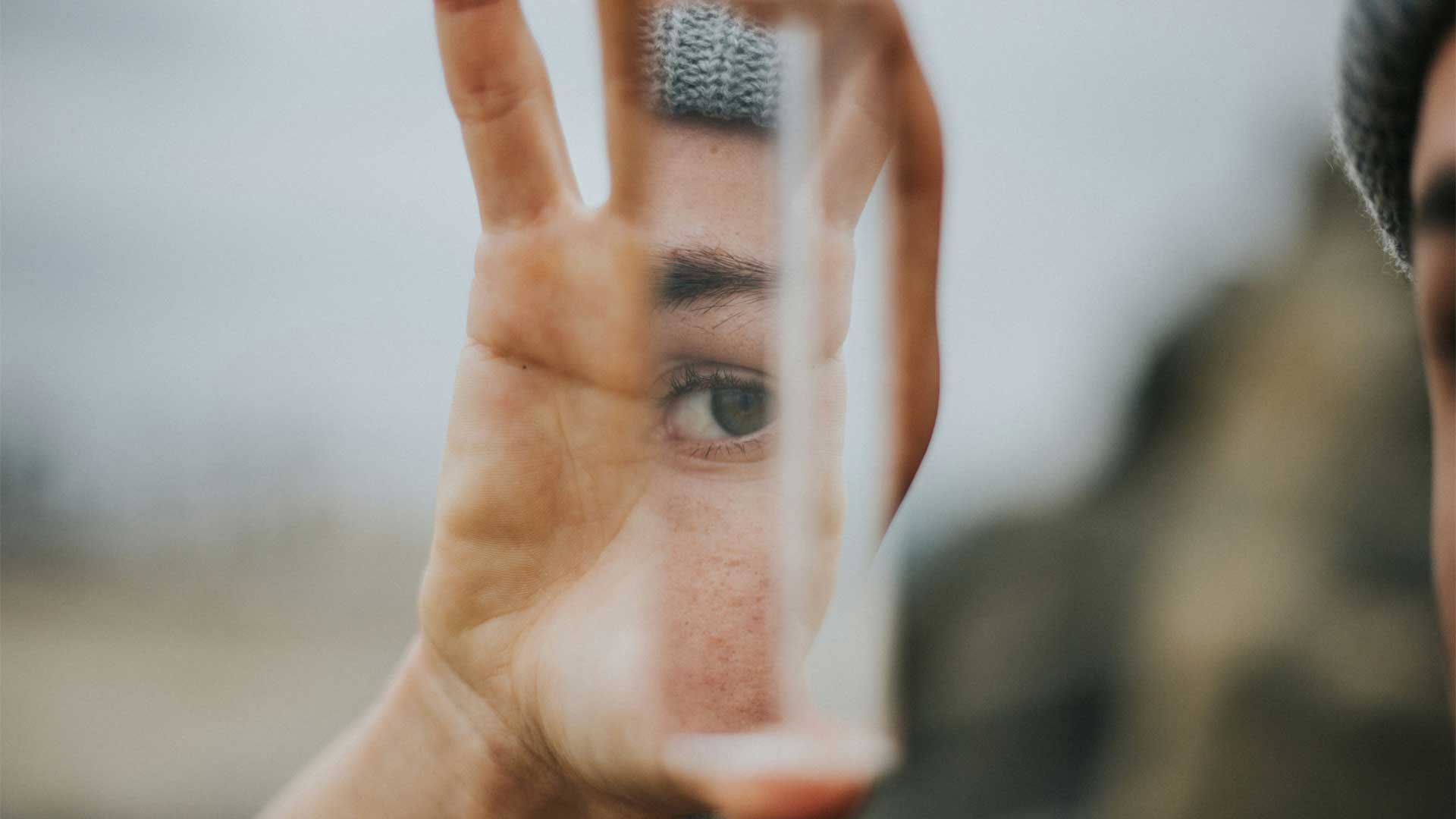
👉 Image by: Vince Fleming on Unsplash
👉 FaulknerFiction takes pride in supporting other Creatives!
1️⃣ Art as a Mirror of Society
📌 What is it?
Art as a mirror of society means that creative expression reflects the conditions, emotions, and structures of the time in which it was created.

Does art reflect society consciously or unconsciously?

Both. Some works intentionally comment on social conditions, while others reflect them unintentionally through tone, style, and subject matter.
🎯 Why it matters
If you love art, you realize that art is not isolated imagination.
It's cultural documentation.
In symbolic form.
It helps us read history not just through events, but through emotion.
🧪 Example
Post-war art movements have shifted toward abstraction or fragmentation, reflecting instability and uncertainty in the collective consciousness.
Similarly, digital-era art often reflects speed, overload, and fragmentation of attention.
💡 How to Understand It
Ask:
⏩ What emotional tone dominates this era’s art?
⏩ What societal pressure might be shaping it?
⏩ What is being expressed indirectly rather than explicitly?
💬 Memorable Line
Art does not escape its time. It absorbs it.
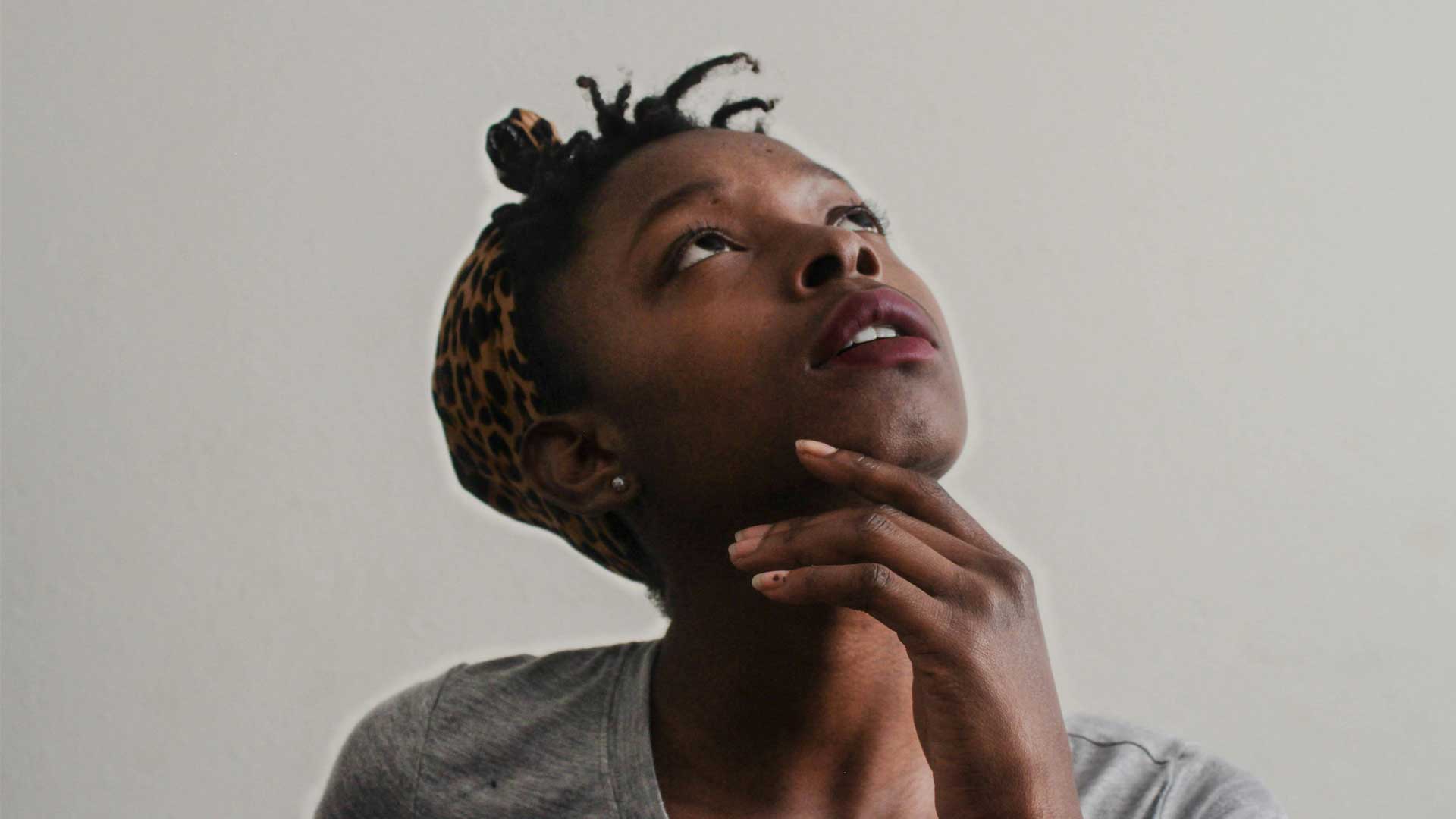
👉 Image by:Tachina Lee on Unsplash
👉 FaulknerFiction takes pride in supporting other Creatives!
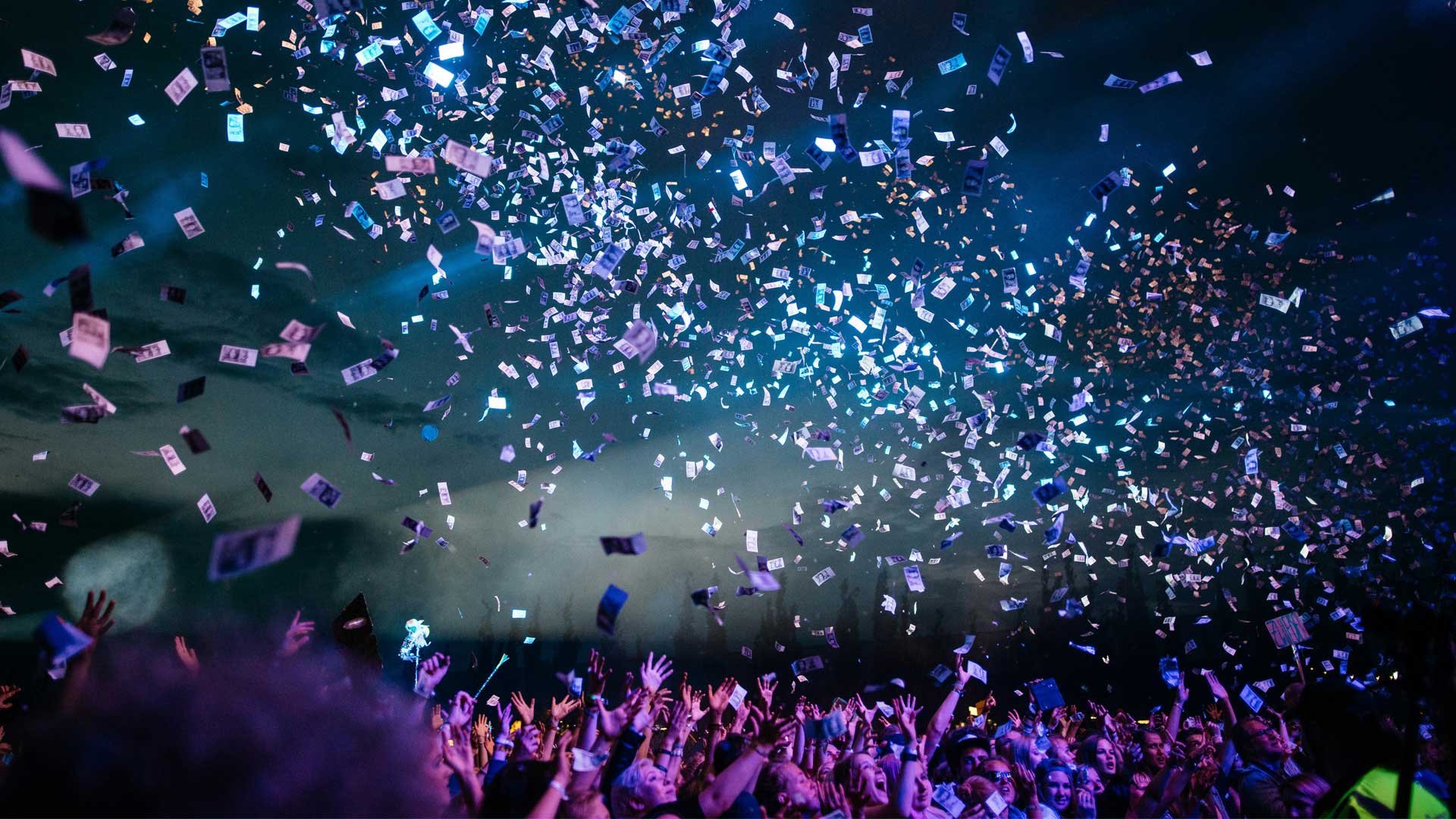
2️⃣ Symbols and Aesthetics Shape How We Think
📌 What is it?
Symbols and aesthetics are visual and cultural shortcuts that shape how we interpret meaning, emotion, and identity.
Are aesthetics just visual preference?
No.
Aesthetics are learned systems of meaning shaped by culture, repetition, and exposure.
🎯 Why it matters
What we consider “beautiful,” “modern,” or “normal” is not natural.
It is trained.
This means perception itself is culturally constructed.
🧪 Example
Minimalist design signals modernity and control in Western culture, while ornate design may signal tradition or richness in other contexts.
💡 How to Apply/Understand It
Breakdown:
⏩ Color meaning
⏩ Composition style
⏩ Repeated visual patterns
⏩ Emotional associations
💬 Memorable Line
We don’t just see culture. We see through culture.
👉 Image by: Pablo Heimplatz on Unsplash
👉 FaulknerFiction takes pride in supporting other Creatives!
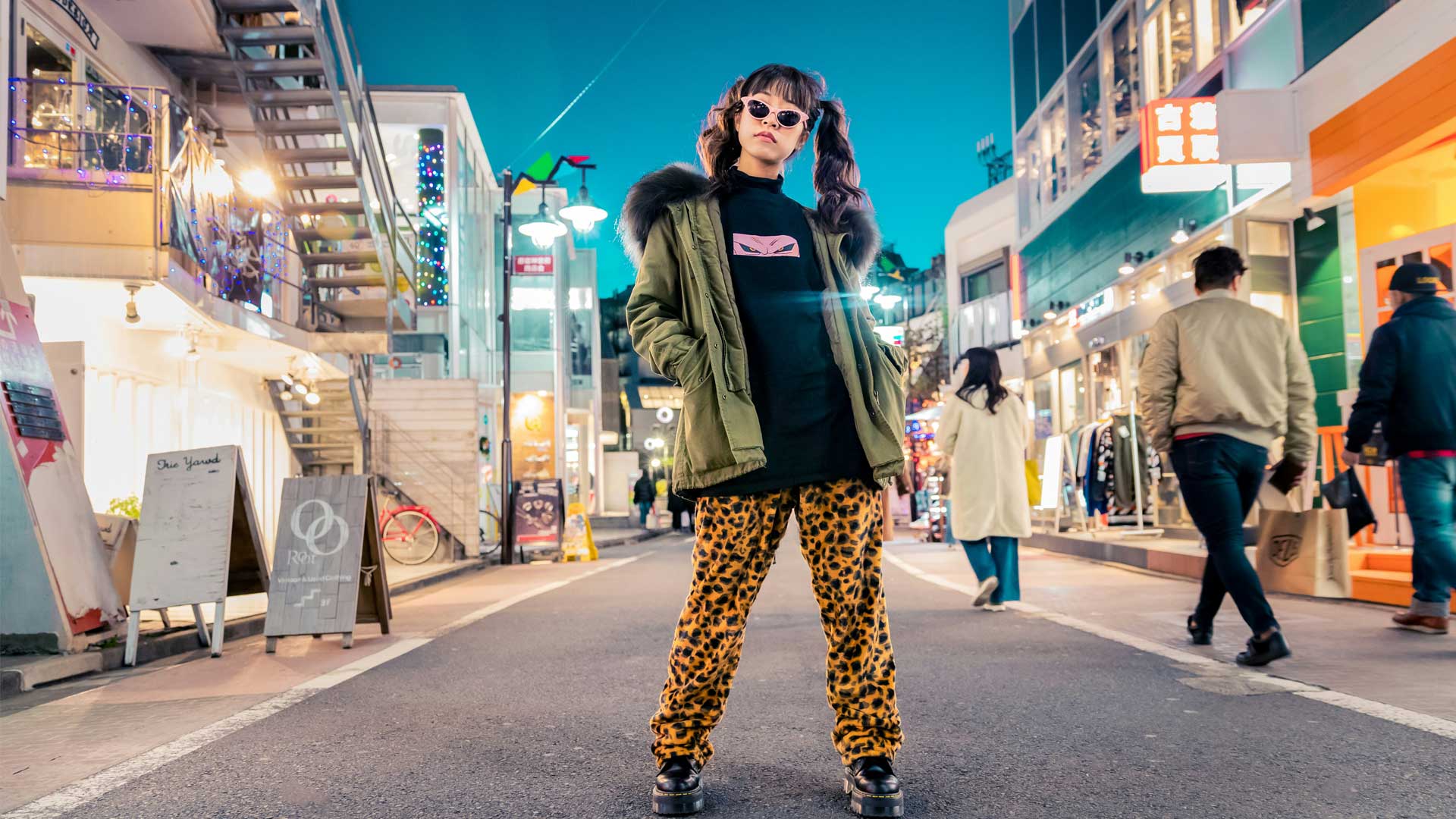
3️⃣ Stories Create Cultural Memory
📌 What is it?
Stories function as systems of collective memory that preserve emotional and moral structures across generations.
Why do stories become culturally timeless?
Because they encode universal emotional patterns that remain relevant even as societies change.
🎯 Why it matters
Stories are not just entertainment.
They are how a society remembers itself without writing history directly.
Why?
Because they encode universal emotional patterns that remain relevant across generations.
A society’s films, books, and myths don’t just entertain. They preserve:
⏩ Collective fears
⏩ Moral frameworks
⏩ Emotional histories
Over time, stories become cultural memory systems that outlive the individuals who created them.
This is a wonderful reward for creatives and writers!
Your hard work might outlive you if you do a great job and touch on something deeper than the superficial.
Still, achieving this artistic immortality depends on how the current culture reacts to an artist's work.
And that’s extremely hard to predict.
Personally, I think it's more like the lottery.
The harder you try to win, the less likely it is.
The Creative does his or her best and hope their work reaches the largest number of people, whether for fame or money or enjoying the creating for its own sake.
Besides, only a very few people can come up with the money to make a full-length movie, although modern movies function as contemporary myths for our society.
Still, who hasn’t dreamed of being Superman or Superwoman?
Creating interesting, entertaining, and original work is a gigantic goal, and only the best and luckiest of us achieve it.
For example, industry estimates suggest that only 1% to 3% of people who actually start writing a novel ever finish it.
While roughly 80% of adults harbor a desire to write a book, the vast majority of those who make it to "page one" eventually abandon their manuscripts due to overwhelm, self-doubt, or life getting in the way.
The journey from a blank page to a finished book is a well-known hurdle for aspiring authors.
The breakdown of the process looks like this:
The Novelist's Funnel
- The "Want to" Phase: Up to 81% of people express a desire to write a book.
- The Starting Phase: Only a small fraction of these aspiring writers actually put words to a manuscript.
- The Completion Phase: Of those who start writing, only 3% or less make it to "The End" of their first draft.
- The "Getting Published" Phase: Only about 20% of finished novels ever make it to a published state (whether through traditional publishing or self-publishing).
- Overall Odds: That means out of every 1,000 people who start writing a book, only 30 will actually finish it, and only 6 will ever hold a published copy of their work.
For more context on why so many writers stall out and how to overcome the common roadblocks, you can read the breakdown:
🧪 Example
Hero myths, coming-of-age narratives, and tragedy arcs appear across most cultures in different forms but carry similar emotional structures.
💡 How to Understand It
Identify:
⏩ Recurring Character types
⏩ Emotional arcs
⏩ Moral structures
⏩ Transformation patterns
💬 Memorable Line
Stories are how culture remembers what it cannot keep.
👉 Image by: Joshua Chun on Unsplash
👉 FaulknerFiction takes pride in supporting other Creatives!
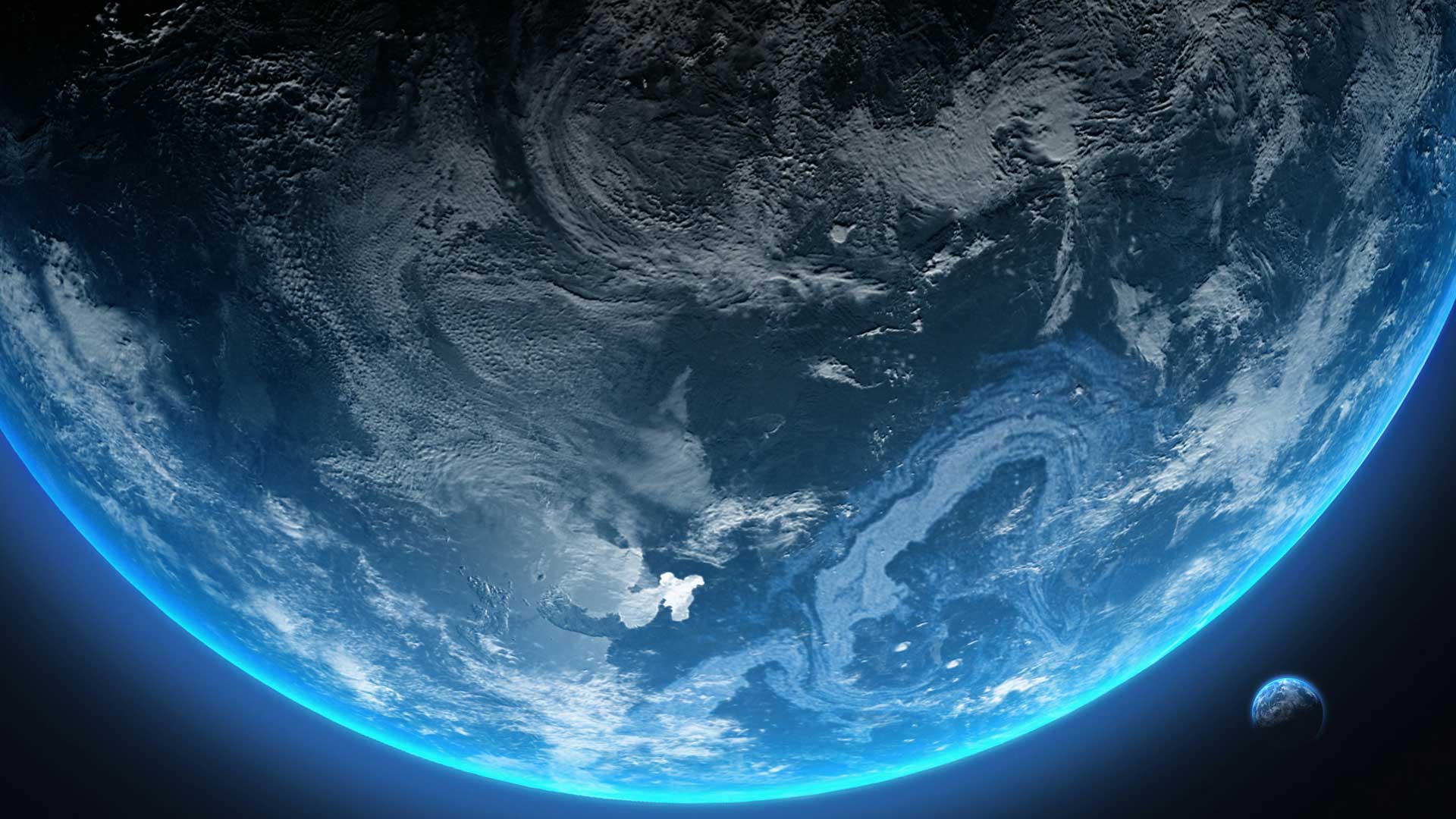
4️⃣ Cultural Trends Repeat in Cycles
📌 What is it?
Cultural cycles describe how styles, ideas, and aesthetics re-emerge over time in modified forms.
Why do trends always come back?
Because cultural memory and human emotion operate cyclically, not linearly.
🎯 Why it matters
It reframes “new trends” as reinterpretations of older cultural patterns.
Nothing disappears.
It transforms.
Culture moves in cycles, not straight lines.
What feels “new” is often:
📌 A remix of past aesthetics
📌 A reinterpretation of older ideas
📌 A reaction to what came before
Trends return because human emotion doesn’t fundamentally change.
Only its expression does.
Famous novelist William Faulkner (no relation)did not view originality as a competition with others, but rather as an inward pursuit of self-improvement and artistic truth.
Is anything in culture truly original?
Rarely.
Most cultural output is simply a recombination of existing ideas under new conditions.
- Introduction: A designer, celebrity, or niche influencer debuts a new look. Availability is low and prices are high.
- Rise: Trendsetters adopt the style. Social media accelerates this phase as the look is mimicked across digital communities.
- Peak: The trend reaches mainstream saturation. It is heavily mass-produced, widely available, and worn by the general public.
- Decline: The market becomes oversaturated. Consumers grow tired of the ubiquitous look, and early adopters discard it as it becomes "too common".
- Obsolescence: The trend is officially "out," heavily discounted in retail, and replaced by the next wave of style.
🎯 Cultural Trend Styles: How They Work (and Why They Matter)
| What You See | What It Actually Means |
|---|---|
| A new fashion trend | A recycled aesthetic shaped by nostalgia and identity shifts |
| A popular film or series | A reflection of current societal fears, desires, or tensions |
| A viral aesthetic (e.g., minimalism, chaos-core) | A response to emotional or environmental overload |
| A music genre gaining popularity | A shift in collective emotional tone or generational identity |
| A sudden rise in a visual style | The amplification of an already-emerging cultural pattern |
🧪 Example
Fashion cycles often recycle decades-old aesthetics (70s, 90s, Y2K) reinterpreted through modern technology and media.
💡 How to Apply/Understand It
Track:
📌 Repetition across decades
📌 Emotional similarity in trends
📌 Reaction to previous styles
💬 Memorable Line
Culture doesn’t move forward. It loops forward.
👉 Image by: Javier Miranda on Unsplash
👉 FaulknerFiction takes pride in supporting other Creatives!
5️⃣ Global Culture Creates Hybrid Meaning Systems
📌 What is it?
Global culture is the blending of multiple cultural systems into hybrid forms of expression through media and connectivity.
Does globalization destroy cultural identity?
Not entirely.
It transforms identity into hybrid forms rather than eliminating it.
🎯 Why it matters
It explains why modern culture feels layered, mixed, and constantly evolving.
🧪 Example
Music, fashion, and film increasingly combine influences from multiple cultures simultaneously, creating new hybrid aesthetics.
Globalization changes art by blending styles, traditions, and influences into hybrid cultural expressions.
💡 How to Understand It
Look for:
🔑 Cross-cultural influence
🔑 Blended aesthetics
🔑 Digital amplification of local trends
💬 Memorable Line
Modern culture is no longer local. It is layered.
👉 Image by: Rifki Kurniawan on Unsplash
👉 FaulknerFiction takes pride in supporting other Creatives!
💡 What It All Points To
For me, personally, art and culture stop feeling random the moment you start looking beneath the surface.
What once looked like isolated trends, styles, or stories begins to reveal itself as part of a larger system.
A universe shaped by emotion, memory, identity, and repetition.
Every aesthetic choice, every narrative arc, every cultural shift is connected to something deeper: how people experience the world at a given moment in time.
And once you 💡 recognize those patterns, something shifts.
You’re no longer just consuming culture.
You’re interpreting it.
That awareness changes everything:
📌 Trends become signals, not distractions
📌 Stories become frameworks, not just entertainment
📌 Art becomes insight, not just expression
More importantly, it positions you differently inside the system. You begin to see not just what culture is doing, but why it’s doing it. And, where it might go next.
Because culture isn’t static.
It loops, evolves, reacts, and reinvents itself.
Continuously.
And the more fluently you can read those cycles, the more clearly you can understand both the world around you and the creative work that emerges from it.

Next Steps
Understanding culture is only the beginning.
The next step is learning how creators transform symbols, patterns, emotions, and societal influences into actual creative work—stories, art, films, ideas, and systems that shape culture itself.
We'll talk about this in greater detail in future posts.
FAQs
...about Arts & Culture.
Why does art reflect society so strongly?
Art reflects society because it is created inside it,not outside it.
Artists absorb the emotional temperature of their environment: political tension, technological change, cultural anxiety, and collective hope all influence creative output.
Even when art is not explicitly political or social, it still carries traces of its time.
The materials, styles, and themes chosen are shaped by what a society is experiencing at a deeper level.
This is why art from different eras feels distinct even when subjects overlap. It is not just what is shown—it is how reality is felt.
How do cultural trends actually begin and spread?
Cultural trends often begin in small, localized communities where experimentation is possible.
Subcultures, niche creators, or early adopters.
These ideas are then amplified through media, repetition, and visibility.
Once a visual or behavioral pattern gains emotional resonance, it spreads quickly because humans are highly responsive to social proof and repetition.
What looks like sudden popularity is usually the final stage of a long, quiet evolution.
Why do we keep repeating cultural styles across decades?
Cultural repetition happens because human psychology does not fundamentally change as quickly as technology or media.
Emotional needs—identity, nostalgia, rebellion, belonging—remain stable.
As a result, cultural expression loops through similar emotional frameworks, even when surface aesthetics change.
A “new” trend is often a reinterpretation of a previous emotional idea expressed in a different technological or social context.
What makes something culturally meaningful or significant?
Cultural significance emerges when a work or idea successfully captures a shared emotional or psychological truth.
It is not about popularity alone.
It's about resonance.
Something becomes culturally important when it reflects something a large group of people instinctively recognize but cannot easily articulate.
These moments become reference points in collective memory.
How does globalization change the meaning of culture?
Globalization shifts culture from isolated systems into interconnected ones. Instead of distinct, separate cultural identities evolving independently, they now interact constantly through media, travel, and digital communication.
This creates hybrid cultural forms where influences overlap, merge, and recombine.
Rather than erasing culture, globalization transforms it into a layered system of shared and exchanged meanings.
Explore More
You’ve just seen a few of the factors affecting Arts and Culture for creatives and artists.
But insight only matters if it becomes behavior.
Test-out what I'm saying.
See how Shakespeare's 'A Midsummer Night's Dream' influenced the creation of my novel 'Valentine's Day - A Romantic Comedy.'
Shakespeare's play is a comedy about four young Athenian lovers, a troupe of amateur actors, and a group of mischievous fairies who become entangled in a night of magical mischief, mistaken identities, and shifting romances in an enchanted forest.
See if you can find some parallels in my novel.
→Read next: Valentine's Day - A Romantic Comedy by Lewis Faulkner
No Results Found
The page you requested could not be found. Try refining your search, or use the navigation above to locate the post.
Show Me More Posts ABOUT: Arts and Culture
Show Me More Posts that include THIS TOPIC: 📚 Deeper Reading
Author Bio

Lewis Faulkner is the author of six novels and a creative educator with over 40 years of experience studying story structure, narrative craft, and the creative process.
His work often explores how systems shape perception and how individuals respond.
Comments
Come on.
You know you've got something you want to say!
Your Comments
Header Image By
If you were Impressed By the creative Effort on This Post's Header Image, Connect with its creator.
FaulknerFiction.com takes pride in supporting other Creatives!
0 Comments