
*️⃣ Key Takeaways
⭐ Creative success is driven by systems, not inspiration
⭐ Every project follows a repeatable flow: idea → execution → refinement → completion
⭐ Most creators fail at the execution stage, not the idea stage
⭐ Consistency is built through structure, not motivation
⭐ Creativity becomes scalable when treated as a repeatable process

Most people think creativity works like lightning.
- You either feel inspired, or you don’t.
- You either have the idea, or you don’t.
But if that were true, no one would consistently produce meaningful work.
The reality is simpler, and more powerful.
Creativity isn’t a moment.
It’s a system.
And once you understand how that system works, you stop waiting to create, and start knowing how.
Also, through the lens of Systems Focus, this post examines how creative work is shaped by structures and incentives, asking what freedom looks like inside constraints.
*️⃣ Definitions
Audience
This post is written primarily for:
→ Creatives
Primary Focus
The main conceptual focus of this post is:
→ Systems
Secondary Focus
The secondary focus of this post is:
→Agency
Systems Focus
Posts under Systems explore institutions, technologies, structures, and incentives that shape human behavior and outcomes.
Perception Focus
Posts under Perception examine interpretation, belief, bias, and the stories we tell ourselves about the world.
Agency Focus
Posts under Agency investigate choice, responsibility, autonomy, and the power to act within real constraints.

👉 Image by: GuerrillaBuzz on Unsplash
👉 FaulknerFiction takes pride in supporting other Creatives!
1️⃣ Creativity as a System, Not a Spark
📌 What is it?
Creativity as a system means designing repeatable processes that allow ideas to be generated, developed, and completed consistently.
🔍 Can creativity really be systemized?
🎯 Yes. While ideas may feel spontaneous, the process of capturing, developing, and finishing them can be structured and repeated.
🎯 Why it matters
If creativity depends on inspiration, output becomes inconsistent. If it depends on a system, output becomes reliable.
Ideas alone have no value until they are developed, refined, and completed.
Blended Thinking Block (Text Module)
Format inside module:
• 🧠 Insight
• 🔄 Expansion
• 🔍 Observation
• ✍️ Personal
• 🔁 Reflection
Your content goes here. Edit or remove this text inline or in the module Content settings. You can also style every aspect of this content in the module Design settings and even apply custom CSS to this text in the module Advanced settings.
Your content goes here. Edit or remove this text inline or in the module Content settings. You can also style every aspect of this content in the module Design settings and even apply custom CSS to this text in the module Advanced settings.
Your content goes here. Edit or remove this text inline or in the module Content settings. You can also style every aspect of this content in the module Design settings and even apply custom CSS to this text in the module Advanced settings.
📌 🧠 Creative Thinking Modes — How They Work (and Why They Matter)
| Creative Mode | Outcome | Key Insight |
|---|---|---|
| Logical Thinking | Clear but predictable ideas | Logic explains more than it creates |
| Intuitive Thinking | Fast, creative insights | Insight often comes before explanation |
| Constraint-Based Creativity | Focused and innovative ideas | Limits create direction |
| Free Exploration | High creativity but scattered ideas | Exploration needs refinement |
| Narrative Thinking | Deep meaning and engagement | Story is how we process complexity |
🧪 Example
• Set a fixed creative time
• Use the same starting ritual
• Focus on process, not mood
💡 How to Apply/Understand It
Start writing before everything makes sense.
Let patterns emerge.
💬 Memorable Line
"You don’t find creativity—you build access to it."
🔗 Pillar Blog Post Title Here (Pillar)
🔗 Related Blog Post Title Here (same category)
🔗 Related Blog Post Title Here (🎭 Cross-Pillar Connection (Power Link))
Your content goes here. Edit or remove this text inline or in the module Content settings. You can also style every aspect of this content in the module Design settings and even apply custom CSS to this text in the module Advanced settings.
Before adding any link, ask:
1. Does this expand the idea?
If no → don’t link
2. Does this feel like a natural next thought?
If no → don’t link
3. Would the reader benefit from deeper exploration here?
If no → don’t link
Creative Intelligence — 5 Powerful Ways Thinking, Imagination, and Story Shape What We Create
Repetition is one of the core mechanisms behind how creative thinking becomes a structured system instead of random inspiration.
→ [link]
👉 The bolded line = actual blog post title
👉 The paragraph = why it matters right here
🔁 Related Post (Same Category)
How to Build a Creative Habit That Actually Sticks
A practical breakdown of how daily repetition becomes creative identity over time.
👉 Read the full post
Your content goes here. Edit or remove this text inline or in the module Content settings. You can also style every aspect of this content in the module Design settings and even apply custom CSS to this text in the module Advanced settings.
Your content goes here. Edit or remove this text inline or in the module Content settings. You can also style every aspect of this content in the module Design settings and even apply custom CSS to this text in the module Advanced settings.
Your content goes here. Edit or remove this text inline or in the module Content settings. You can also style every aspect of this content in the module Design settings and even apply custom CSS to this text in the module Advanced settings.
Your content goes here. Edit or remove this text inline or in the module Content settings. You can also style every aspect of this content in the module Design settings and even apply custom CSS to this text in the module Advanced settings.

👉 Image by: Spencer Bergen on Unsplash
👉 FaulknerFiction takes pride in supporting other Creatives!
2️⃣ Turning Ideas into Finished Work
📌 What is it?
The process of converting raw ideas into structured, completed creative output.
🔍 Why do most ideas never become finished work?
🎯 Because creators fail at the transition from thinking to doing. They lack a structured execution path.
🎯 Why it matters
Ideas alone have no value until they are developed, refined, and completed.
Blended Thinking Block (Text Module)
Format inside module:
• 🧠 Insight
• 🔄 Expansion
• 🔍 Observation
• ✍️ Personal
• 🔁 Reflection
Your content goes here. Edit or remove this text inline or in the module Content settings. You can also style every aspect of this content in the module Design settings and even apply custom CSS to this text in the module Advanced settings.
Your content goes here. Edit or remove this text inline or in the module Content settings. You can also style every aspect of this content in the module Design settings and even apply custom CSS to this text in the module Advanced settings.
Your content goes here. Edit or remove this text inline or in the module Content settings. You can also style every aspect of this content in the module Design settings and even apply custom CSS to this text in the module Advanced settings.
🧪 Example
• Choose one idea
• Define the first actionable step
• Begin before refining
💡 How to Apply/Understand It
Start writing before everything makes sense.
Let patterns emerge.
💬 Memorable Line
"Ideas are potential. Execution is reality."
🔗 Pillar Blog Post Title Here (Pillar)
🔗 Related Blog Post Title Here (same category)
🔗 Related Blog Post Title Here (🎭 Cross-Pillar Connection (Power Link))
Your content goes here. Edit or remove this text inline or in the module Content settings. You can also style every aspect of this content in the module Design settings and even apply custom CSS to this text in the module Advanced settings.
Before adding any link, ask:
1. Does this expand the idea?
If no → don’t link
2. Does this feel like a natural next thought?
If no → don’t link
3. Would the reader benefit from deeper exploration here?
If no → don’t link
Creative Intelligence — 5 Powerful Ways Thinking, Imagination, and Story Shape What We Create
Repetition is one of the core mechanisms behind how creative thinking becomes a structured system instead of random inspiration.
→ [link]
👉 The bolded line = actual blog post title
👉 The paragraph = why it matters right here
🔁 Related Post (Same Category)
How to Build a Creative Habit That Actually Sticks
A practical breakdown of how daily repetition becomes creative identity over time.
👉 Read the full post
Your content goes here. Edit or remove this text inline or in the module Content settings. You can also style every aspect of this content in the module Design settings and even apply custom CSS to this text in the module Advanced settings.
Your content goes here. Edit or remove this text inline or in the module Content settings. You can also style every aspect of this content in the module Design settings and even apply custom CSS to this text in the module Advanced settings.
Your content goes here. Edit or remove this text inline or in the module Content settings. You can also style every aspect of this content in the module Design settings and even apply custom CSS to this text in the module Advanced settings.
Your content goes here. Edit or remove this text inline or in the module Content settings. You can also style every aspect of this content in the module Design settings and even apply custom CSS to this text in the module Advanced settings.

👉 Image by: Alexander Grigoryev on Unsplash
👉FaulknerFiction takes pride in supporting other Creatives!
3️⃣ Creative Blocks are System Failures
📌 What is it?
Creative blocks are not a lack of ability—they are breakdowns in process, clarity, or structure.
🔍 Why do creative blocks feel so real?
🎯 Because uncertainty and unclear next steps create resistance in the brain, which feels like a lack of creativity.
🎯 Why it matters
Misunderstanding blocks leads to waiting instead of fixing the system causing the problem.
Blended Thinking Block (Text Module)
Format inside module:
• 🧠 Insight
• 🔄 Expansion
• 🔍 Observation
• ✍️ Personal
• 🔁 Reflection
Your content goes here. Edit or remove this text inline or in the module Content settings. You can also style every aspect of this content in the module Design settings and even apply custom CSS to this text in the module Advanced settings.
Your content goes here. Edit or remove this text inline or in the module Content settings. You can also style every aspect of this content in the module Design settings and even apply custom CSS to this text in the module Advanced settings.
Your content goes here. Edit or remove this text inline or in the module Content settings. You can also style every aspect of this content in the module Design settings and even apply custom CSS to this text in the module Advanced settings.
🧪 Example
“Plot happens when characters make decisions they can’t undo.”
💡 How to Apply/Understand It
Start writing before everything makes sense.
Let patterns emerge.
💬 Memorable Line
"Creative blocks aren’t barriers. They’re signals. what it cannot keep."
🔗 Pillar Blog Post Title Here (Pillar)
🔗 Related Blog Post Title Here (same category)
🔗 Related Blog Post Title Here (🎭 Cross-Pillar Connection (Power Link))
Your content goes here. Edit or remove this text inline or in the module Content settings. You can also style every aspect of this content in the module Design settings and even apply custom CSS to this text in the module Advanced settings.
Before adding any link, ask:
1. Does this expand the idea?
If no → don’t link
2. Does this feel like a natural next thought?
If no → don’t link
3. Would the reader benefit from deeper exploration here?
If no → don’t link
Creative Intelligence — 5 Powerful Ways Thinking, Imagination, and Story Shape What We Create
Repetition is one of the core mechanisms behind how creative thinking becomes a structured system instead of random inspiration.
→ [link]
👉 The bolded line = actual blog post title
👉 The paragraph = why it matters right here
🔁 Related Post (Same Category)
How to Build a Creative Habit That Actually Sticks
A practical breakdown of how daily repetition becomes creative identity over time.
👉 Read the full post
Your content goes here. Edit or remove this text inline or in the module Content settings. You can also style every aspect of this content in the module Design settings and even apply custom CSS to this text in the module Advanced settings.
Your content goes here. Edit or remove this text inline or in the module Content settings. You can also style every aspect of this content in the module Design settings and even apply custom CSS to this text in the module Advanced settings.
Your content goes here. Edit or remove this text inline or in the module Content settings. You can also style every aspect of this content in the module Design settings and even apply custom CSS to this text in the module Advanced settings.
Your content goes here. Edit or remove this text inline or in the module Content settings. You can also style every aspect of this content in the module Design settings and even apply custom CSS to this text in the module Advanced settings.
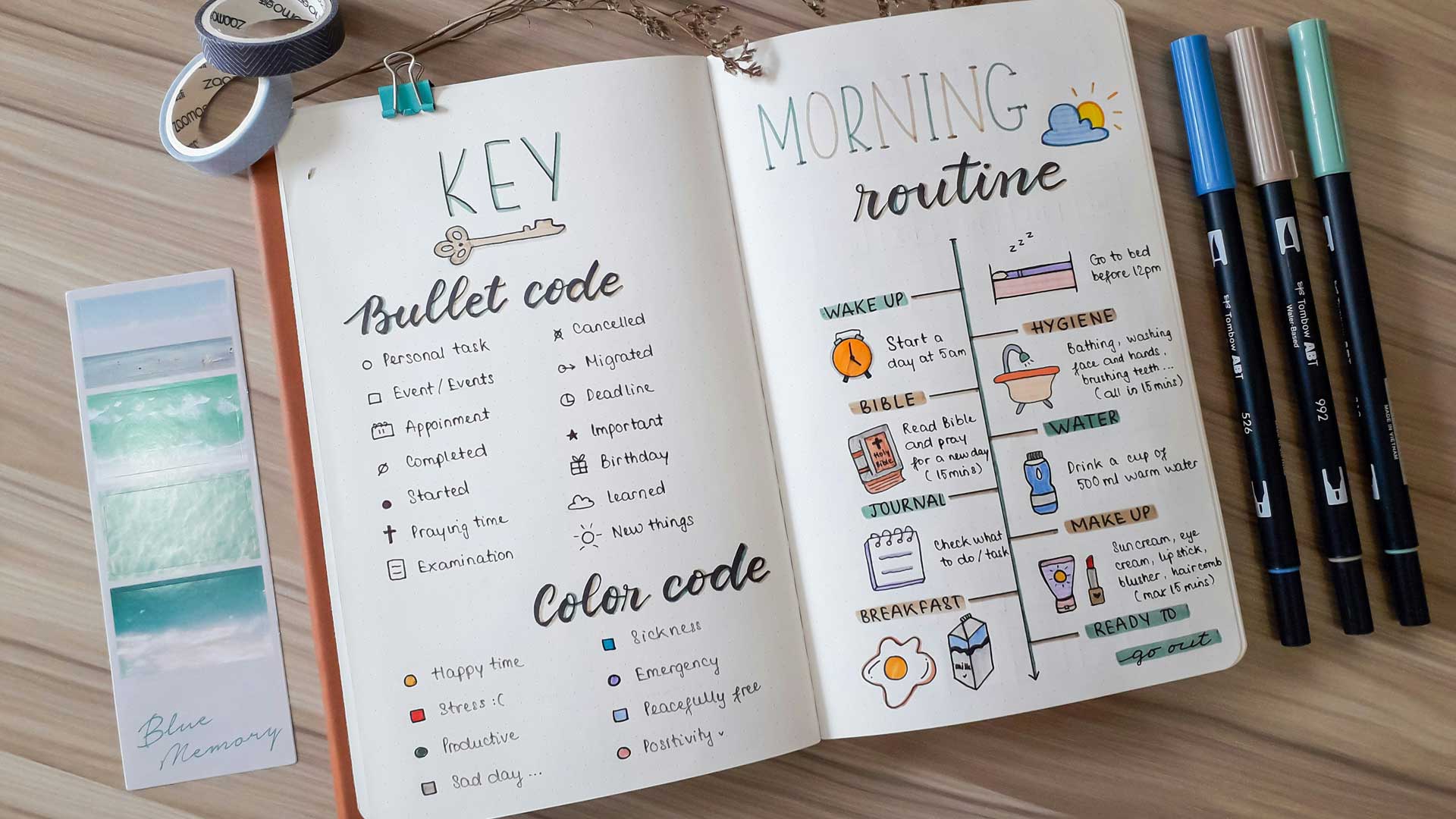
👉 Image by: Ngo Ngoc Khai Huyen on Unsplash
👉 FaulknerFiction takes pride in supporting other Creatives!
4️⃣ Routine Creates Creative Momentum
📌 What is it?
A structured daily or weekly pattern that makes creative work automatic rather than optional.
🔍 Does routine limit creativity?
🎯 No. Routine removes friction, making it easier to begin and sustain creative work.
🎯 Why it matters
Consistency builds skill, output, and confidence over time.
Blended Thinking Block (Text Module)
Format inside module:
• 🧠 Insight
• 🔄 Expansion
• 🔍 Observation
• ✍️ Personal
• 🔁 Reflection
Your content goes here. Edit or remove this text inline or in the module Content settings. You can also style every aspect of this content in the module Design settings and even apply custom CSS to this text in the module Advanced settings.
Your content goes here. Edit or remove this text inline or in the module Content settings. You can also style every aspect of this content in the module Design settings and even apply custom CSS to this text in the module Advanced settings.
Your content goes here. Edit or remove this text inline or in the module Content settings. You can also style every aspect of this content in the module Design settings and even apply custom CSS to this text in the module Advanced settings.
🧪 Example
Many prolific creators follow predictable schedules, allowing output to compound daily.
💡 How to Apply/Understand It
Work at the same time each day
• Use a consistent entry ritual
• Set a minimum output rule
💬 Memorable Line
"Routine doesn’t limit creativity. It unlocks it."
🔗 Pillar Blog Post Title Here (Pillar)
🔗 Related Blog Post Title Here (same category)
🔗 Related Blog Post Title Here (🎭 Cross-Pillar Connection (Power Link))
Your content goes here. Edit or remove this text inline or in the module Content settings. You can also style every aspect of this content in the module Design settings and even apply custom CSS to this text in the module Advanced settings.
Before adding any link, ask:
1. Does this expand the idea?
If no → don’t link
2. Does this feel like a natural next thought?
If no → don’t link
3. Would the reader benefit from deeper exploration here?
If no → don’t link
Creative Intelligence — 5 Powerful Ways Thinking, Imagination, and Story Shape What We Create
Repetition is one of the core mechanisms behind how creative thinking becomes a structured system instead of random inspiration.
→ [link]
👉 The bolded line = actual blog post title
👉 The paragraph = why it matters right here
🔁 Related Post (Same Category)
How to Build a Creative Habit That Actually Sticks
A practical breakdown of how daily repetition becomes creative identity over time.
👉 Read the full post
Your content goes here. Edit or remove this text inline or in the module Content settings. You can also style every aspect of this content in the module Design settings and even apply custom CSS to this text in the module Advanced settings.
Your content goes here. Edit or remove this text inline or in the module Content settings. You can also style every aspect of this content in the module Design settings and even apply custom CSS to this text in the module Advanced settings.
Your content goes here. Edit or remove this text inline or in the module Content settings. You can also style every aspect of this content in the module Design settings and even apply custom CSS to this text in the module Advanced settings.
Your content goes here. Edit or remove this text inline or in the module Content settings. You can also style every aspect of this content in the module Design settings and even apply custom CSS to this text in the module Advanced settings.

👉 Image by: Randy Fath on Unsplash
👉 FaulknerFiction takes pride in supporting other Creatives!
5️⃣ Consistency Builds Creative Identity
📌 What is it?
The process by which repeated creative output develops skill, voice, and recognizable identity.
🔍 How does consistency shape identity?
🎯 Repeated output reveals patterns in thinking and style, which evolve into a distinct creative voice.
🎯 Why it matters
Identity is not discovered—it is built through repetition.
Blended Thinking Block (Text Module)
Format inside module:
• 🧠 Insight
• 🔄 Expansion
• 🔍 Observation
• ✍️ Personal
• 🔁 Reflection
🧩 CREATIVE SYSTEM BLOCK (CORE FRAMEWORK)
🔹 The Creative Execution Loop
1. Capture idea
2. Define next action
3. Start immediately
4. Produce minimum output
5. Stop and log progress
in the module Advanced settings.
Your content goes here. Edit or remove this text inline or in the module Content settings. You can also style every aspect of this content in the module Design settings and even apply custom CSS to this text in the module Advanced settings.
Your content goes here. Edit or remove this text inline or in the module Content settings. You can also style every aspect of this content in the module Design settings and even apply custom CSS to this text in the module Advanced settings.
🧪 Example
A writer’s voice becomes clearer after dozens or hundreds of pages—not before.
💡 How to Apply/Understand It
• Focus on frequency over perfection
• Track output, not quality
• Let patterns emerge over time
💬 Memorable Line
"You don’t find your voice. You build it."
🔗 Pillar Blog Post Title Here (Pillar)
🔗 Related Blog Post Title Here (same category)
🔗 Related Blog Post Title Here (🎭 Cross-Pillar Connection (Power Link))
Your content goes here. Edit or remove this text inline or in the module Content settings. You can also style every aspect of this content in the module Design settings and even apply custom CSS to this text in the module Advanced settings.
Before adding any link, ask:
1. Does this expand the idea?
If no → don’t link
2. Does this feel like a natural next thought?
If no → don’t link
3. Would the reader benefit from deeper exploration here?
If no → don’t link
Creative Intelligence — 5 Powerful Ways Thinking, Imagination, and Story Shape What We Create
Repetition is one of the core mechanisms behind how creative thinking becomes a structured system instead of random inspiration.
→ [link]
👉 The bolded line = actual blog post title
👉 The paragraph = why it matters right here
🔁 Related Post (Same Category)
How to Build a Creative Habit That Actually Sticks
A practical breakdown of how daily repetition becomes creative identity over time.
👉 Read the full post
Your content goes here. Edit or remove this text inline or in the module Content settings. You can also style every aspect of this content in the module Design settings and even apply custom CSS to this text in the module Advanced settings.
Your content goes here. Edit or remove this text inline or in the module Content settings. You can also style every aspect of this content in the module Design settings and even apply custom CSS to this text in the module Advanced settings.
Your content goes here. Edit or remove this text inline or in the module Content settings. You can also style every aspect of this content in the module Design settings and even apply custom CSS to this text in the module Advanced settings.
Your content goes here. Edit or remove this text inline or in the module Content settings. You can also style every aspect of this content in the module Design settings and even apply custom CSS to this text in the module Advanced settings.
🟠 4) CONCLUSION SECTION
🎯 Module 13: Divider (Visual break)
🎯 Module 14: Text Module (Conclusion)
• Synthesis of main idea
• Emotional closure
• Insight reflection

👉 Image by: Andrew Ridley on Unsplash
👉 FaulknerFiction takes pride in supporting other Creatives!
🔥 The Pattern Behind the Process
For me, personally, creativity feels unpredictable when you rely on inspiration.
I prefer building the system, not the moment!
But once you begin to see it as a system—something structured, repeatable, and designed—it becomes far more controllable.
You stop asking: “Do I feel creative today?”
And start asking: “What is the next step in my process?”
That shift changes everything.
Because creativity isn’t about waiting for the right moment.
It’s about building a system where the moment becomes inevitable.

Next Steps = What the reader does next
🔴 5) NEXT STEPS (ACTION ZONE — HIGH PRIORITY)
🎯 Module 15: Call To Action Module OR Text Module
Include:
• 1–3 actions
• Challenge or prompt
• Direct instruction tone
👉 This is your conversion point
🔴 Next Steps Module = Behavior Trigger
Converts insight into action immediately
Captures peak motivation (right after conclusion)
Creates identity shift (“I am someone who shows up daily”)
🔴 🔥 NEXT STEPS MODULE (REAL-LIFE EXAMPLE)
🎯 Module Type: Text Module or CTA Module
🚀 What to Do Next (Turn Insight Into Action)
🎯 You’ve just seen how consistency—not talent—is what actually builds creative momentum over time. But insight only matters if it becomes behavior.
✍️ Write for 10 minutes today—no editing, no stopping
(The goal is continuation, not quality)
🔁 Set a minimum creative output rule for the next 7 days
(Example: 200 words, 1 sketch, 1 idea log entry)
📅 Pick one fixed time tomorrow and repeat it daily for a week
(Same time. Same place. No negotiation.
👉 If you only do one thing, do this:
show up again tomorrow, even if today felt small
💡 Micro-Challenge
Commit to a 7-day consistency streak and track it visually.
Don’t measure quality. Measure repetition.
🔗 Bridge Line (Optional Internal Link)
Want to go deeper into how systems remove creative burnout?
→ Read next: Why Most Creatives Burn Out (And How Systems Prevent It)
Your content goes here. Edit or remove this text inline or in the module Content settings. You can also style every aspect of this content in the module Design settings and even apply custom CSS to this text in the module Advanced settings.
*️⃣ Next Steps
Well, let's see. You're Artistic. Brilliant. Creative. Maybe even more. Don't pretend like you don't have something to say. Come on. Don't hold out on the rest of us. Leave your comments below.
If creativity is about producing work, the next question becomes:
Where do ideas come from in the first place—and what do they mean?

Your content goes here. Edit or remove this text inline or in the module Content settings. You can also style every aspect of this content in the module Design settings and even apply custom CSS to this text in the module Advanced settings.
*️⃣ FAQ

...about Creativity.
What is creative intelligence?
Creative intelligence is the ability to generate, connect, and refine ideas by combining logic, intuition, and imagination.
How does creative thinking actually work?
It works through a mix of exploration, pattern recognition, and structure, often moving from unformed ideas to organized concepts.
Why do constraints help creativity?
Constraints provide direction and focus, forcing more intentional and innovative thinking.
Can creativity be improved or learned?
Yes, creativity improves through practice, exposure to new ideas, and learning how to move between thinking modes.
Why is storytelling important in creativity?
Storytelling helps organize ideas and communicate them in a way that is meaningful and engaging.
ADD SCHEMA CODE HERE AS VERY LAST STEP. MUST EXACTLY MATCH the FAQ. THEN CHECK GOOGLE.
Explore More = Why this is true beyond your blog
🔷 7) EXPLORE MORE (AUTHORITY MODULE)
🎯 Module 18: Text Module (Section Header)
🎯 Module 19: Blurb or Text Modules (3–5 items max)
Each item includes:
• Title
• 1-line explanation
• External URL
✔ External credibility + depth expansion
✔ Signals research quality
🎯 Module Type: Text Module or CTA Module
🚀 What to Do Next (Turn Insight Into Action)
🔍 Explore More Module = Authority + Depth Trigger
Builds trust with external validation
Extends time on page
Signals research-backed thinking to Google
Turns your blog into a gateway, not a dead end
************************
🔍 Explore More: The Science Behind Consistency and Creative Mastery
If you want to understand why consistency actually rewires creative performance, these resources go deeper into the psychology and research behind it:
📘 The Making of an Expert — Harvard Business Review
Explores how deliberate practice—not talent—is the foundation of mastery.
https://hbr.org/2007/07/the-making-of-an-expert
🧠 How Creativity Works in the Brain — American Psychological Association
Breaks down how repetition strengthens neural pathways tied to creative thinking.
https://www.apa.org/monitor/nov01/creativity
🔁 Habit Formation Research — University College London
Explains how long it actually takes to build consistent behavior patterns.
https://www.ucl.ac.uk/news/2009/aug/how-long-does-it-take-form-habit
🎨 The Creative Brain — Scientific American
Looks at how structured thinking enhances imagination over time.
https://www.scientificamerican.com/article/the-creative-brain/
📊 Practice and Performance Retention — National Institutes of Health
Research showing how repetition improves long-term skill stability.
https://www.ncbi.nlm.nih.gov/pmc/articles/PMC4326095/
💡 Why This Matters
Talent might get attention.
But consistency builds measurable cognitive change over time.
🧠 WHY THESE WORK (STRATEGIC BREAKDOWN)
🔴 Next Steps Module = Behavior Trigger
- Converts insight into action immediately
- Captures peak motivation (right after conclusion)
- Creates identity shift (“I am someone who shows up daily”)
🔍 Explore More Module = Authority + Depth Trigger
- Builds trust with external validation
- Extends time on page
- Signals research-backed thinking to Google
- Turns your blog into a gateway, not a dead end
⚡ SIMPLE RULE TO REMEMBER
- Next Steps = What the reader does next
- Explore More = Why this is true beyond your blog
Your content goes here. Edit or remove this text inline or in the module Content settings. You can also style every aspect of this content in the module Design settings and even apply custom CSS to this text in the module Advanced settings.
🔍 Explore More: XXX
Your content goes here. Edit or remove this text inline or in the module Content settings. You can also style every aspect of this content in the module Design settings and even apply custom CSS to this text in the module Advanced settings.
Your content goes here. Edit or remove this text inline or in the module Content settings. You can also style every aspect of this content in the module Design settings and even apply custom CSS to this text in the module Advanced settings.
Your content goes here. Edit or remove this text inline or in the module Content settings. You can also style every aspect of this content in the module Design settings and even apply custom CSS to this text in the module Advanced settings.
Read These Next
No Results Found
The page you requested could not be found. Try refining your search, or use the navigation above to locate the post.
Show Me More Posts ABOUT: For Creatives
Show Me More Posts that include THIS TOPIC:
*️⃣ Author Bio

Lewis Faulkner is the author of six novels and a creative educator with over 40 years of experience studying story structure, narrative craft, and the creative process.
His work often explores how systems shape perception and how individuals respond. y
*️⃣ Comments
Come On.
You know you've got something to say.
Your Comments
Your content goes here. Edit or remove this text inline or in the module Content settings. You can also style every aspect of this content in the module Design settings and even apply custom CSS to this text in the module Advanced settings.
*️⃣ Header Photo By
If you were Impressed By the creative Effort on This Post's Header Image, Connect with its creator.
👉 Header Image by:

FaulknerFiction.com takes pride in supporting other Creatives!
0 Comments