
📚 Land Review: Maggie O’Farrell’s Powerful Story of Memory, Loss, and Ireland
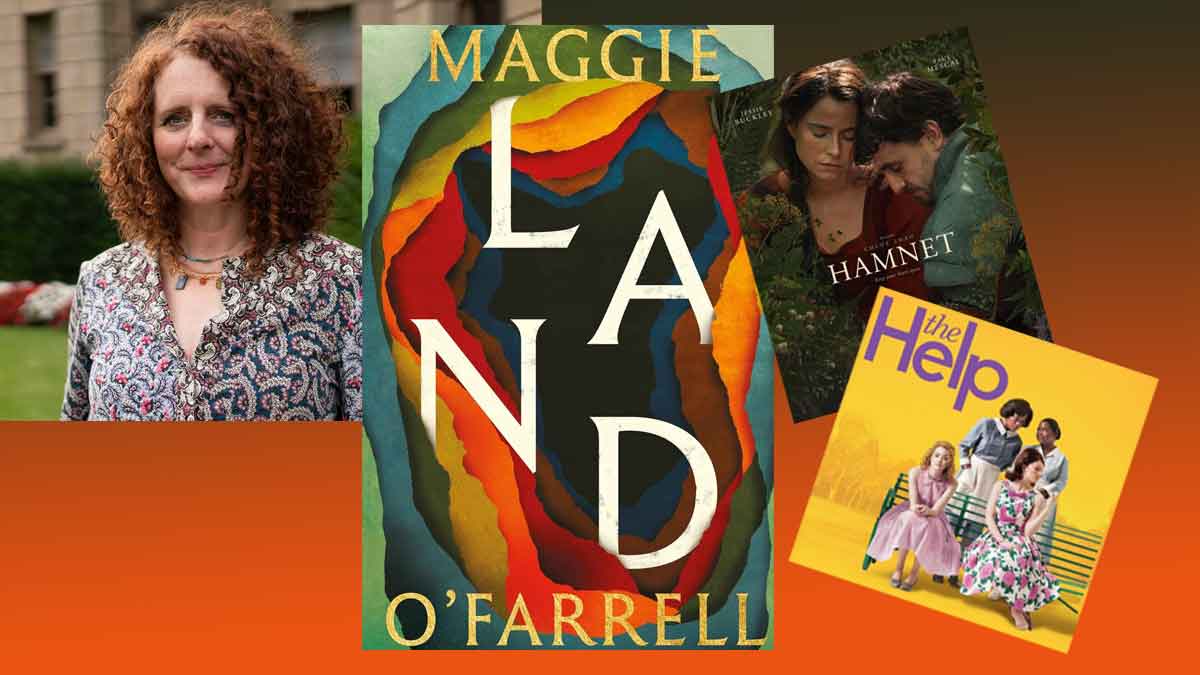
📚 Land Review: Maggie O’Farrell’s Powerful Story of Memory, Loss, and Ireland
☝️ One-Sentence Summary
Land is a beautifully written literary novel by Maggie O'Farrell that explores how memory, family history, and physical landscapes shape identity across generations.
🏆 Why You Can Trust This Novel Review
I've spent more than forty years writing novels, studying storytelling, and analyzing what makes fiction memorable.
My reviews are written from the perspective of both a lifelong reader and a working novelist.
Rather than simply summarizing the plot, I focus on character development, narrative structure, thematic depth, emotional impact, and the techniques authors use to deliver a great story.o bring stories to life.
My goal is pretty simple.
To help you decide whether a book is right for you, or not.
Not every great book is right for every reader.
So, understanding why a novel succeeds, and who is most likely to appreciate it, is often more valuable than a simple star rating.

Table of Contents
🔑 Key Takeaways
🌿 The land itself functions as an important character.
🏡 Family history drives much of the emotional conflict.
📖 Maggie O'Farrell's prose is rich, elegant, and immersive.
🧠 The novel explores how memory changes over time.
❤️ Themes of love, loss, inheritance, and belonging are woven throughout.

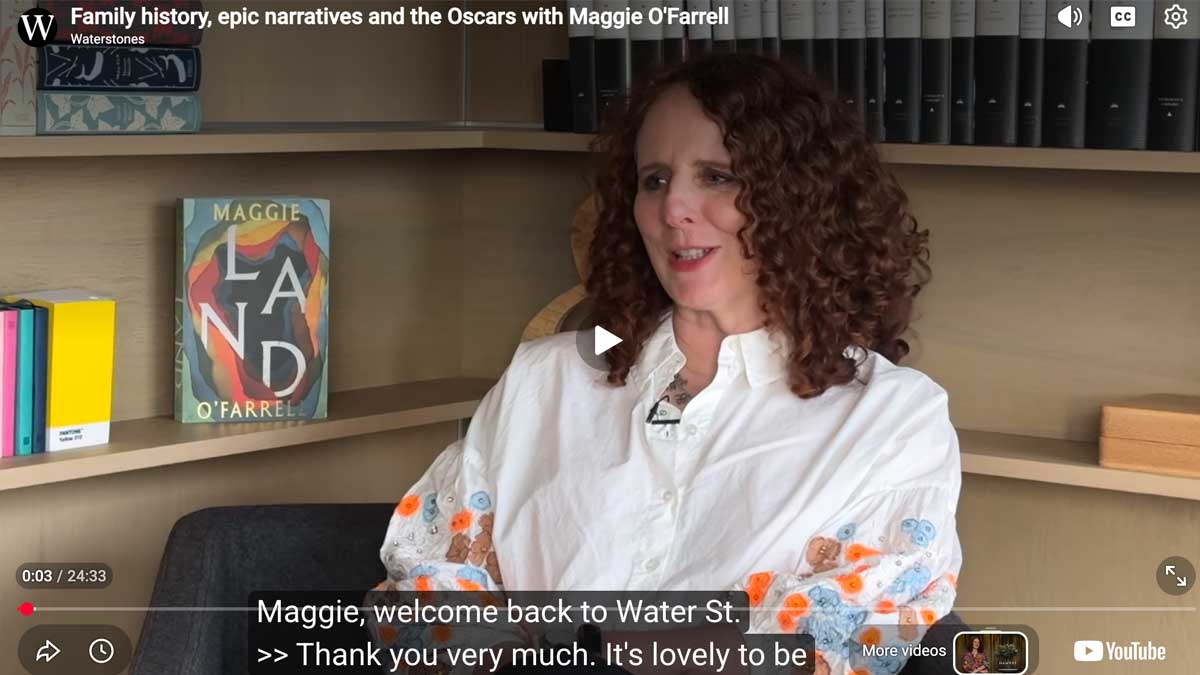
Author Maggie O’Farrell joins Jane Garvey to discuss her Irish heritage, the legacy of the Great Hunger, and why it inspired the setting of her new novel 'Land'.

✍️ Who Wrote It?

Author - Maggie O'Farrell
👩 About Maggie O'Farrell
Maggie O'Farrell has established herself as one of the most respected voices in contemporary literary fiction.
Known for her lyrical prose, emotionally layered characters, and fascination with memory and identity, she has built a body of work that consistently explores the hidden forces shaping people's lives.
Born in Northern Ireland and raised in Wales and Scotland, O'Farrell often draws upon themes of displacement, belonging, family relationships, and personal history. Her novels frequently blend intimate emotional storytelling with broader historical and cultural contexts.
Many readers first discovered her through novels such as The Vanishing Act of Esme Lennox, Instructions for a Heatwave, and the internationally acclaimed Hamnet. The latter earned widespread praise for its imaginative exploration of Shakespeare's family and the devastating impact of loss.
One of O'Farrell's greatest strengths is her ability to illuminate ordinary human experiences while revealing their deeper significance. Her characters often find themselves confronting questions of identity, memory, grief, and resilience, making her work particularly rewarding for readers who enjoy thoughtful literary fiction.
Rather than relying on dramatic plot twists, O'Farrell typically builds emotional power through character development, atmosphere, and carefully observed relationships. Her stories invite readers to slow down, pay attention, and consider how individual lives intersect with larger histories.
Land continues many of these traditions while further exploring her recurring fascination with the relationship between people, memory, and place.
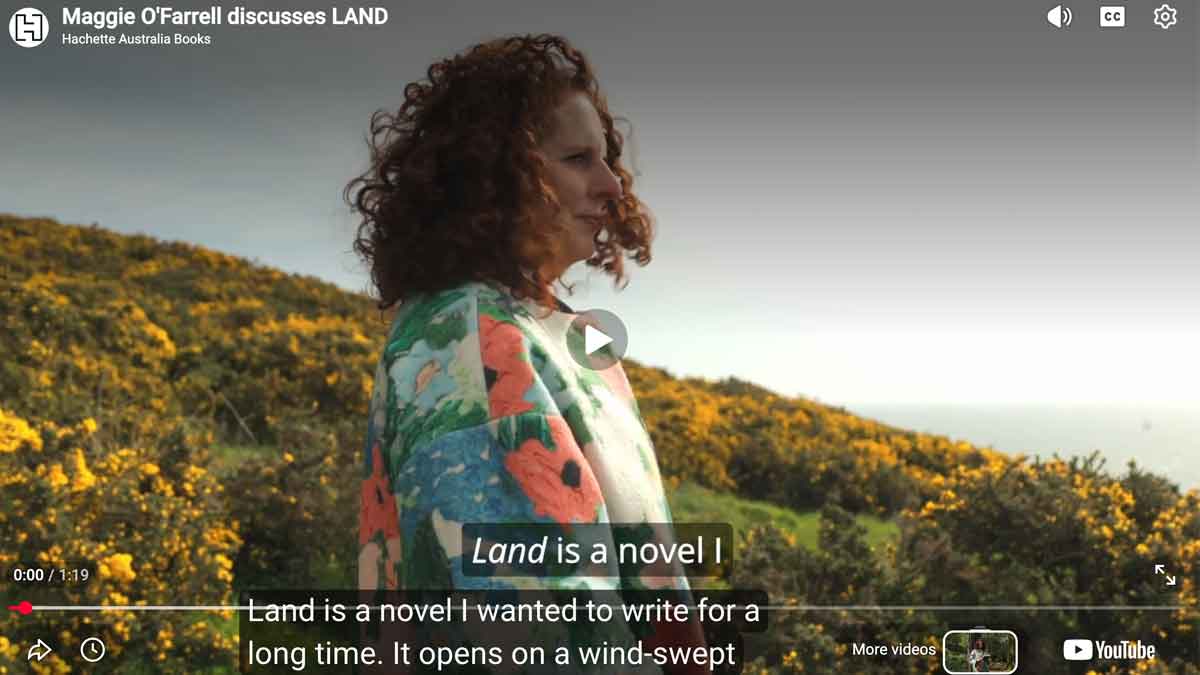
[ ▶︎ ] Videos
📖 Synopsis (Spoiler-Free)
Set At first glance, Land appears to be a story about inheritance.
But as the novel unfolds, it becomes clear that inheritance means far more than ownership.
The story follows characters whose lives are intertwined with a particular landscape, a place carrying generations of memories, conflicts, hopes, and disappointments. As family histories emerge and long-buried truths begin to surface, questions arise about what can truly be passed from one generation to the next.
O'Farrell carefully reveals connections between past and present, showing how decisions made decades earlier continue to influence lives in the present day. The novel moves fluidly between personal experiences and larger themes of history, identity, and belonging.
Throughout the story, characters struggle with competing understandings of home. For some, the land represents continuity and stability. For others, it symbolizes obligation, loss, or unresolved family tensions.
The narrative unfolds gradually, allowing readers to discover both the visible and hidden forces shaping the characters' lives. Rather than rushing toward dramatic revelations, O'Farrell trusts the emotional complexity of her material.
The result is a novel less concerned with plot mechanics than with the emotional consequences of history.
Readers looking for fast-paced action may find the pacing deliberate. Those who enjoy richly textured literary fiction, however, are likely to appreciate the novel's careful construction and emotional depth.
𓂃✍︎ From Lewis's Notebook
One reason Land resonated with me is its focus on consequences that extend across time.
A decision made years earlier continues shaping lives long afterward.
That theme immediately reminded me of my upcoming novel, Ricochet.
While the stories are very different, both explore a similar idea: Actions rarely stay contained.
📌 In Land, consequences echo across generations.
📌 They shape memory.In Ricochet, consequences spread through interconnected systems and relationships.
📌 They shape memory.Both stories suggest that the past never entirely disappears—it simply changes form and continues influencing the future.
One reason Land stayed with me is that it reminded me how deeply stories are connected to place.
As writers, we often think of setting as a stage upon which events occur.
But the best novels understand that setting is never neutral.
Places influence behavior.
📌 They shape memory.
📌 They determine opportunities and limitations.
📌 They become woven into identity itself.
Reading Land made me reflect on the places that have influenced my own life and writing. We all carry emotional maps inside us—locations connected to success, disappointment, love, loss, and personal transformation.
What O'Farrell captures so effectively is the idea that leaving a place doesn't necessarily mean escaping it.
In many ways, the places that matter most continue living inside us long after we've gone.
🤷♂️ Why Does This Story Matter?
📌 Many novels explore family.
📌Many novels explore history.
📌Many novels explore memory.
What makes Land distinctive is the way it combines all three through the lens of place.
O'Farrell suggests that landscapes are never truly neutral. Every field, road, house, and boundary carries traces of the people who came before. The land remembers even when individuals forget.
This idea resonates far beyond the specifics of the novel. Most readers can identify a place that helped shape who they became. Whether it's a childhood home, a hometown, a family farm, or simply a street associated with important memories, places often become repositories of identity.
The novel also speaks to contemporary questions about inheritance and belonging. In an increasingly mobile world, many people experience tension between where they live and where they feel they belong. O'Farrell explores these tensions with sensitivity and insight.
At a deeper level, Land examines the stories families tell themselves—and the stories they choose not to tell. Memory becomes both a source of connection and a source of conflict, shaping how individuals understand themselves and each other.
Ultimately, Land is not merely about geography.
It is about the emotional landscapes we carry within us.
And that makes the novel both timely and timeless.

❤️ What I Loved About This Novel
❤️ The Land Becomes a Character
One of O'Farrell's greatest achievements is transforming the physical landscape into something far more significant than a backdrop. The land isn't simply where events occur—it actively shapes relationships, memories, and decisions.
Throughout the novel, the landscape carries emotional weight. Characters experience the same places differently based on their histories, creating a powerful sense that geography and identity are inseparable.
This approach gives the story an unusual depth. Readers begin to understand that inheritance is not merely about ownership but about the emotional significance attached to a place.
❤️The Emotional Authenticity
O'Farrell has a remarkable ability to capture the small emotional moments that define real lives.
Conversations feel natural.
Family tensions feel earned.
Moments of grief, regret, love, and reconciliation unfold without melodrama.
Rather than forcing emotional reactions, she allows them to emerge organically through character interactions and remembered experiences.
The result is a novel that feels honest rather than manufactured.
❤️ The Beautiful Prose
Literary fiction lives or dies by its language.
Fortunately, O'Farrell remains one of the finest prose stylists writing today.
Her descriptions never feel ornamental for their own sake. Instead, they deepen atmosphere, reveal character, and reinforce the novel's themes.
Many passages invite readers to slow down and simply appreciate the craftsmanship behind the writing.
❤️The Exploration of Memory
The novel consistently examines how memory changes over time.
People remember events differently.
Families preserve certain stories while forgetting others.
Individuals reshape the past to make sense of the present.
O'Farrell treats memory as something living rather than fixed, creating a richer and more realistic portrayal of how people understand their own histories.
❤️ The Multigenerational Perspective
Stories that span generations often struggle to balance individual lives with broader family narratives.
Land succeeds by showing how one generation's decisions continue influencing those who follow.
This creates a satisfying sense of continuity while reinforcing the novel's central concern with inheritance and legacy.
👥 Who Should Read This Book?
Readers Likely to Enjoy This Book
🎯 Literary Fiction Readers
If you enjoy thoughtful, character-driven novels that prioritize emotional depth over plot mechanics, Land is likely to reward your attention.
🎯 Readers Who Love Family Sagas
The novel's exploration of family history, inheritance, and generational relationships makes it particularly appealing for readers who enjoy multigenerational storytelling.
🎯 Readers Interested in Memory and Identity
Those fascinated by how the past shapes the present will find rich material here.
Readers Who May Want Something Different
😗 Thriller Readers
If you're looking for constant tension, rapid pacing, or major twists, this may not be the right fit.
😗 Plot-Driven Readers
Readers who prioritize action over character and theme may find the narrative too reflective.
😗 Readers Seeking Light Escapism
The novel asks thoughtful questions and explores emotional complexity, making it more contemplative than escapist.
🏁 Final Verdict
Land succeeds because it understands something fundamental about human experience.
People are shaped not only by what happens to them but also by where it happens.
Maggie O'Farrell uses that idea to craft a thoughtful, emotionally rich novel that examines inheritance in all its forms. The result is a story that feels intimate while simultaneously addressing universal questions about family, memory, belonging, and legacy.
Readers expecting a fast-paced narrative may find the deliberate pace challenging. Those willing to immerse themselves in O'Farrell's world, however, will discover a beautifully written exploration of how the past continues living within the present.
This is literary fiction that trusts its readers.
It asks meaningful questions.
It rewards patience.
And it lingers in the mind long after the final page.

Overall Rating
⭐⭐ ⭐ ⭐ ⭐ / 5 Stars
No Results Found
The page you requested could not be found. Try refining your search, or use the navigation above to locate the post.
Show Me More Posts ABOUT: For Readers
Show Me More Posts that include THIS TOPIC:
👤 Author Bio

Lewis Faulkner is the author of six novels and a creative educator with over 40 years of experience studying story structure, narrative craft, and the creative process.
His work often explores how systems shape perception and how individuals respond.
🗣️ Comments

Come on.
You know you've got something you want to say!
Your Comments
⋆.📷˚ Header Image By
If you were Impressed By the creative Effort on This Post's Header Image, Connect with its creator.
Header Montage By:
FaulknerFiction.com takes pride in supporting other Creatives!
0 Comments