
📚 The Midnight Train Review: Matt Haig’s Moving Journey Through Regret and Redemption
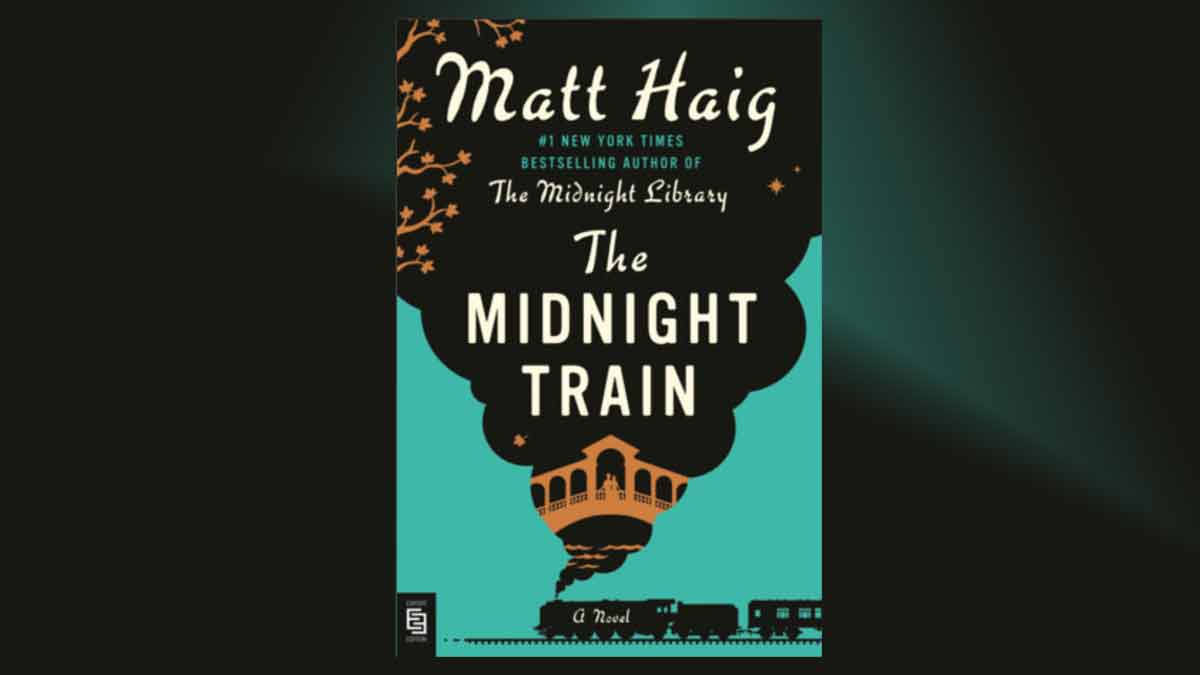
📚 The Midnight Train Review: Matt Haig’s Moving Journey Through Regret and Redemption
What if you could revisit the moments that shaped your life?
Most people have a handful of moments they replay endlessly.
✨ A job they didn't take.
✨ A relationship they let slip away.
✨ A conversation they wish had gone differently.
✨ A dream they abandoned.
Matt Haig has built much of his literary career exploring that universal human tendency to wonder, What if?
With The Midnight Train, he returns to familiar territory but travels deeper than ever before. The result is not merely a story about alternate possibilities. It is a meditation on aging, memory, forgiveness, and the extraordinary challenge of accepting the life we've actually lived.
For readers who loved The Midnight Library, this novel feels both familiar and surprisingly mature. Rather than focusing on a woman standing at the crossroads of infinite possibilities, Haig asks a different question.
What happens when a man reaches the end of his life and still wonders?
The answer becomes one of the most emotionally resonant journeys of Haig's career.
Table of Contents
✍️ Lewis Faulkner's First Impressions
I finished 'The Midnight Train' with the feeling that Matt Haig wasn't really writing about time travel, memory, or even second chances.
He was writing about acceptance.
As someone who has accumulated more than a few "what if" moments over the years, I found myself relating to Wilbur's journey in ways I hadn't expected.
This is a gentle novel, but beneath its quiet surface are questions that linger long after the final page.
Also, through the lens of Perception Focus, this blog post explores how cultural value is constructed, asking who decides what matters and why.
😎 The Story at a Glance
📊 Fast Facts
|
Item |
Details |
| Title | The Midnight Train |
| Author | Matt Haig |
| Genre | Literary Fiction |
| Subgenre | Magical Realism |
| Published | 2026 |
| Main Themes | Regret, Love, Redemption, Memory, Aging |
| Main Character | Wilbur Budd |
| Tone | Reflective, Emotional, Hopeful |
| Reading Difficulty | Easy to Moderate |
| Best For | Readers who enjoy character-driven fiction |
| Comparable To | The Midnight Library, A Man Called Ove, The Five People You Meet in Heaven |
☝️ One-Sentence Summary
'The Midnight Train' is a moving and reflective novel that explores how our choices shape our lives and why peace often comes from accepting the journey we've already traveled.
🔑 Key Takeaways
📖 Regret often comes from imagining ideal outcomes that never truly existed.
📖 Every life contains both missed opportunities and unexpected gifts.
📖 Love remains meaningful even when relationships are imperfect.
📖 Aging offers perspective unavailable to younger versions of ourselves.
📖 Happiness frequently emerges from acceptance rather than achievement.
📖 Second chances sometimes come in the form of understanding rather than change.
🎭 Story Guide
⏩ Wilbur Budd
The novel's eighty-one-year-old protagonist.
⏩ Maggie
The woman whose relationship with Wilbur shapes much of the story.
⏩ The Midnight Train
A mysterious train that allows passengers to revisit pivotal moments in their lives.
⏩ Venice
An important setting connected to Wilbur's memories and emotional journey.
A literary style that blends ordinary reality with subtle fantastical elements.
✍️ Who Wrote This Novel?

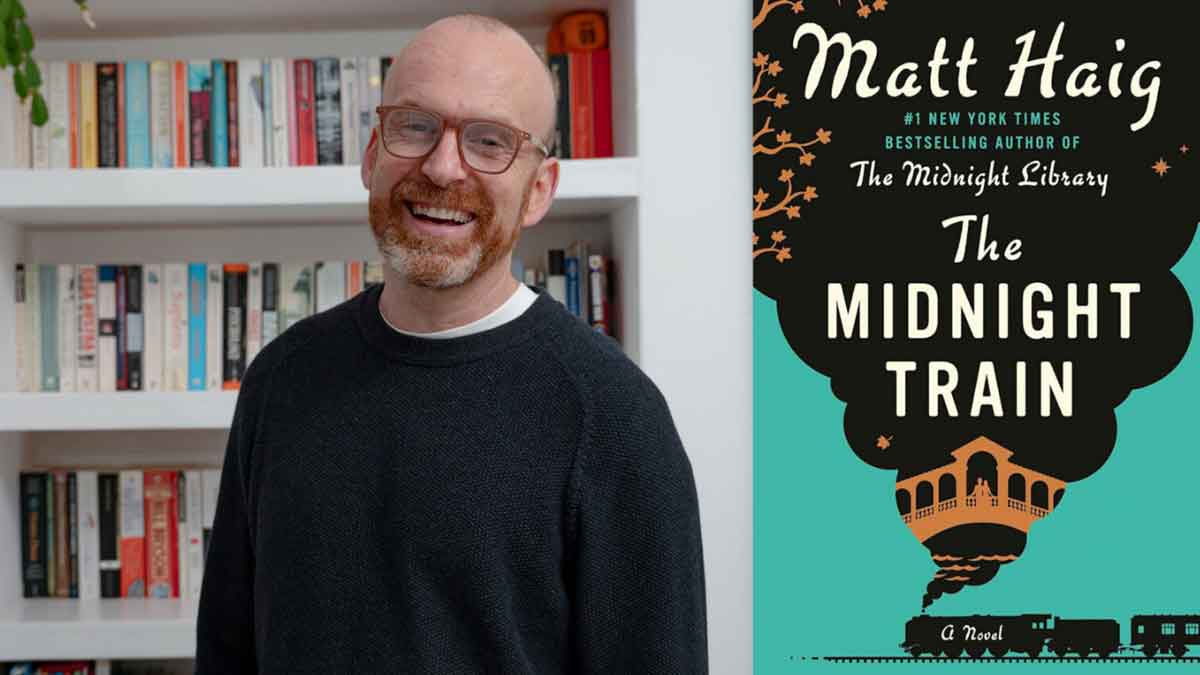
Matt Haig has become one of the most influential contemporary writers exploring mental health, resilience, and the search for meaning.
His novels often combine accessible storytelling with philosophical questions about life, happiness, and human connection.
Many readers first discovered Haig through:
What separates Haig from many literary authors is his ability to tackle profound emotional questions without becoming inaccessible. His stories remain grounded in relatable human experiences even when supernatural elements enter the narrative.
That balance is once again evident in The Midnight Train.
📖 Synopsis (Spoiler-Free)
Wilbur Budd is eighty-one years old.
Like many people nearing the end of life, he carries a collection of memories that refuse to remain quiet.
💬 Some memories bring comfort.
💬 Others bring pain.
💬 Some raise questions that have lingered for decades.
Then comes an extraordinary journey aboard a mysterious midnight train.
As Wilbur moves through its cars, he encounters moments from throughout his life—choices made, opportunities missed, relationships gained and lost, dreams fulfilled and abandoned.
The train becomes more than transportation.
It becomes a living archive of a lifetime.
Each stop reveals another chapter in Wilbur's story and another opportunity to reconsider what truly mattered. What emerges is not a tale about correcting mistakes. It is a story about understanding them. And perhaps discovering that the life we actually lived may have contained more meaning than the life we imagined.
The Supporting Cast
Without revealing spoilers, the various figures who emerge throughout Wilbur's journey function as more than memories.
They become mirrors.
Each relationship reflects a different aspect of Wilbur's identity:
👤 The dreamer
👤 The lover
👤 The father
👤 The friend
👤 The risk-taker
👤 The fearful observer
Collectively, these relationships create a portrait of a life rather than a simple character study.
📝 Many People Dream About Writing a Novel. Few Finish One.
Explores why so many aspiring writers begin novels but never complete them.
🤷♂️ Why Does This Story Matter?
One reason 'The Midnight Train' feels so relevant is that it speaks directly to a modern obsession.
The belief that happiness exists somewhere else.
We live in a culture that constantly encourages comparison. Social media presents idealized versions of success, relationships, careers, and lifestyles. It's easy to look at our own lives and wonder what might have happened if we had chosen differently.
Matt Haig challenges that thinking.
Rather than encouraging readers to chase alternate realities, The Midnight Train suggests that wisdom comes from understanding and appreciating the life we've already lived. The novel asks whether peace comes from changing the past—or accepting it.
The book also offers something increasingly rare in modern fiction.
An older protagonist whose story still feels vital and relevant.
Wilbur's journey reminds readers that life's most important questions don't disappear with age.
❤️ What I Loved
❤️ A Rare Older Protagonist
Wilbur Budd brings a perspective rarely seen in contemporary fiction. His age gives weight and authenticity to the story's reflections on memory and regret.
❤️ A Thoughtful Premise
The Midnight Train itself is a fascinating concept. Haig uses fantasy elements not for spectacle but for emotional exploration.
❤️ Emotional Honesty
The novel never feels manipulative. Its strongest moments emerge naturally from character and circumstance.
❤️ Accessible Philosophy
Haig explores meaningful questions without becoming overly academic or preachy.
❤️ Lasting Impact
This is the kind of book that encourages reflection long after the final page.
⚠️ Potential Drawbacks
Readers looking for a fast-moving plot may find portions of the novel slow.
Reflective Tone
The book prioritizes ideas and emotions over action.
Expectations from Previous Works
Fans expecting another version of The Midnight Library may be surprised by the novel's different approach.
𓂃✍︎ From Lewis's Notebook
As I read 'The Midnight Train,' I found myself thinking less about the choices I might have changed and more about the choices that brought me exactly where I am today.
That's one of the novel's quiet strengths.
It doesn't glorify regret or pretend that life unfolds perfectly. Instead, it acknowledges that mistakes, missed opportunities, and unexpected turns all become part of our story.
As someone who has spent decades writing fiction—and living life—I found that message both comforting and surprisingly hopeful.
🤔 Should You Read It?
In many ways, 'The Midnight Train' is less about revisiting the past than learning how to make peace with it.
Matt Haig has once again crafted a novel that combines imagination with emotional truth.
Readers who enjoy thoughtful, character-driven fiction will find much to appreciate here, especially those who enjoy stories that explore life's larger questions.
This isn't a book that relies on suspense, shocking twists, or high-octane action. Its power comes from reflection, empathy, and the recognition that every life contains both regrets and grace.
Recommended For
🎯 Fans of Matt Haig
🎯 Readers of literary fiction
🎯 Book clubs
🎯 Readers who enjoy reflective storytelling
🎯 Anyone interested in themes of aging, memory, and second chances
Possibly Not For:
🤔 Readers seeking action-heavy fiction
🤔 Fans of hard science fiction
🤔 Readers who prefer plot-driven mysteries
🤔 Those looking for rapid pacing

Overall Rating
⭐ ⭐ ⭐ ⭐½
Final Verdict
Some books entertain. Some books inspire. A few quietly change the way we think about our own lives.
The Midnight Train belongs in that last category.
Like the rhythm of a train moving through the darkness toward dawn, the novel carries readers through memories, regrets, and hopes before arriving at something unexpected: gratitude for the journey itself.
[ ▶︎ ] Like to Watch Before You Read?
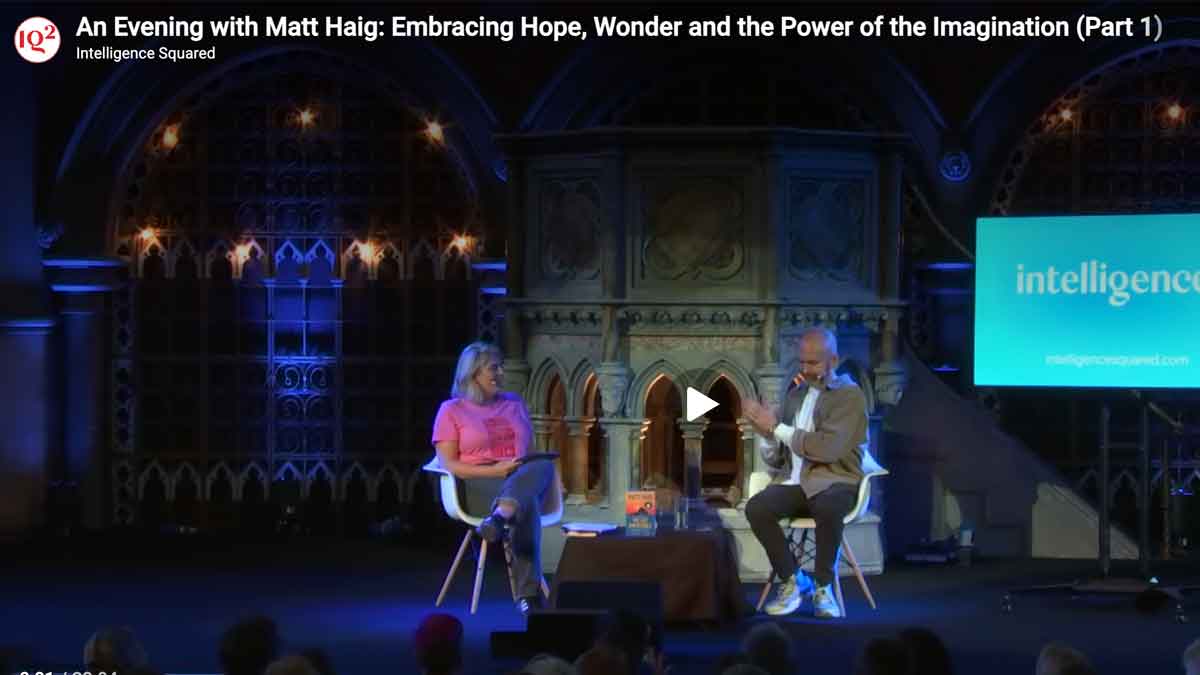
[ ▶︎ ] Even More Videos
🧭 Explore Even More
Based on themes explored in The Midnight Library, check out this related item:
Novel Cross-Link Opportunity
Both stories explore identity and the ways our perceptions shape reality.
💡 Dig Deeper
What to Read Next: A Guide to Finding Stories That Actually Stay With You
Some books entertain us for a weekend. Others stay with us for years. If you're interested in discovering why certain stories leave such a lasting impression on readers, you may also enjoy. → Read the full post
Arts & Culture Today: 5 Powerful Trends Shaping What We Watch, Read, and Experience
Stories like The Midnight Train don't exist in isolation. They reflect larger cultural interests in memory, identity, self-discovery, and personal transformation. → Read the full post
Creative Consistency: 5 Powerful Ways Thinking, Imagination, and Story Shape What We Create
One of the novel's most compelling insights is that lives are rarely shaped by a single dramatic decision. Instead, they emerge from countless small choices repeated over time. That same principle applies to creativity, where consistency often matters more than inspiration. → Read the full post
No Results Found
The page you requested could not be found. Try refining your search, or use the navigation above to locate the post.
Show Me More Posts ABOUT: For Readers
Show Me More Posts that include THIS TOPIC:
👤 Author Bio

Lewis Faulkner is a novelist, storyteller, and lifelong reader whose work explores suspense, technology, relationships, and the unexpected choices that shape our lives.
Through Faulkner Fiction, he shares book reviews, creative insights, and reflections on the stories that inspire readers and writers alike.
💬 Comments
Come on.
You know you've got something you want to say!
Your Comments
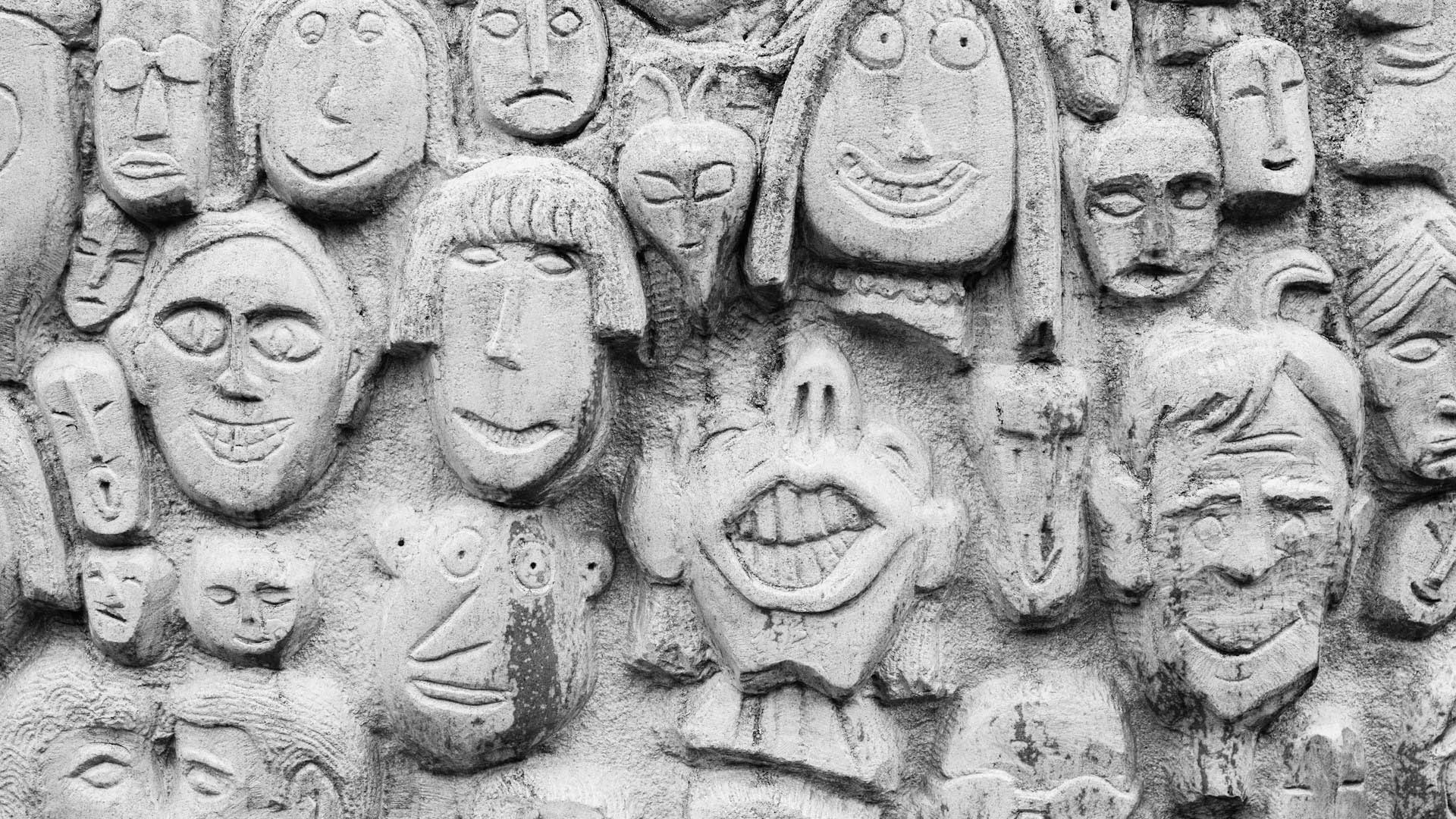
🏞️ Header Image By
If you were Impressed By the creative Effort on This Post's Header Image, Connect with its creator.
? Header Montage by
FaulknerFiction.com takes pride in supporting other Creatives!
0 Comments