
🤔 Stop Guessing What to Read Next: A Complete Guide

🤔 Stop Guessing What to Read Next: A Complete Guide
📌 One-Sentence Summay
Choosing your next great book becomes much easier when you understand your reading preferences, use trusted recommendation sources, and develop a simple system that removes the guesswork.
🔑 Key Takeaways
Understand the storytelling elements you enjoy most. Not just your favorite genres.
• Build a trusted network of recommendation sources instead of relying on one website or bestseller list.
• Maintain a simple "To Be Read" system so you're never searching from scratch.
• Develop reading habits that keep great books flowing into your life consistently.
• The best reading life isn't built on luck. It's built on intentional choices.
✨ Intro
Ever finish an amazing book and then spend longer searching for your next one than you spent enjoying the last?
Finding your next favorite book doesn't have to feel like a guessing game.
With millions of books available, choosing what to read next can feel overwhelming.
This guide will help you build a simple, repeatable system for finding books you'll genuinely enjoy while spending less time searching and more time reading.
📚 Also, through the lens of Perception Focus, this post considers how readers interpret stories, asking how meaning changes depending on who is doing the reading.
Table of Contents
💡 Definitions
Audience
This post is written primarily for:
→ Readers
Primary Focus
The main conceptual focus of this post is:
→ Perception
Secondary Focus
The secondary focus of this post is:
→ Agency
Systems Focus
Posts under Systems explore institutions, technologies, structures, and incentives that shape human behavior and outcomes.
Perception Focus
Posts under Perception examine interpretation, belief, bias, and the stories we tell ourselves about the world.
Agency Focus
Posts under Agency investigate choice, responsibility, autonomy, and the power to act within real constraints.

→ Image by: Polina Silivanova on Unsplash
→ FaulknerFiction takes pride in supporting other Creatives!
1️⃣ Discover Your Reading Personality Before Choosing Your Next Book
🤔 What is it?
A reader's personal reading profile is the combination of preferences, interests, emotions, pacing, themes, writing styles, and storytelling elements that consistently make books enjoyable.
Rather than relying solely on genre labels like mystery or romance, understanding these deeper preferences helps readers choose books that match their unique tastes.

Where should I look for trustworthy book recommendations?
The best recommendations usually come from readers, librarians, independent bookstores, and curated online communities that align with your interests. Combining multiple trusted sources produces better results than relying on any single recommendation engine.
🎯 Why it matters
Many readers waste time and money because they choose books based on popularity instead of compatibility.
Knowing your reading profile helps you:
🎯Choose books you'll actually finish.
🎯Discover new authors with similar storytelling styles.
🎯Expand into new genres without disappointment.
🎯Avoid reading slumps.
🎯Build a more satisfying lifelong reading habit.
Instead of wondering "What should I read?", readers begin asking "What kind of story do I enjoy?"
One of the easiest ways to discover your reading personality is to think about the books you've loved most over the years. Instead of focusing only on genre, consider the storytelling elements that kept you turning pages.
Print the chart below to help you. Then, rate each element from 1 (Not Important) to 5 (Very Important) based on how much it influences your enjoyment of a book.
Use the Notes column to jot down examples of favorite books, authors, or specific characteristics that come to mind (or jot the number down on some paper, if you're doing this online).
You may discover that you're less interested in a particular genre than you are in the experience it provides. For example, you might realize that you enjoy books with unforgettable characters regardless of whether they're mysteries, historical fiction, or literary novels.
| Story Element | Importance (1–5) | Notes |
|---|---|---|
| Characters | Which protagonists or supporting characters have stayed with you long after you finished the book? Do you enjoy complex, flawed characters or clear heroes and villains? | |
| Plot | Do you prefer intricate mysteries, surprising twists, or straightforward stories that keep moving? | |
| Suspense | How important is tension, mystery, or anticipation? Do you enjoy books that keep you guessing until the very end? | |
| Humor | Do witty dialogue, clever observations, or lighthearted moments make a story more enjoyable for you? | |
| Dialogue | Are memorable conversations and realistic character interactions important to your reading experience? | |
| Emotional Impact | Do you want books that make you laugh, cry, think deeply, or stay with you emotionally after you've finished them? |
📌 Example
Instead of saying,
"I like thrillers."
A reader might discover:
"I actually enjoy slow-burning psychological suspense with complex characters more than action-packed thrillers."
That insight immediately changes future recommendations.
If You're Enjoying This Article...
📖 The Headhunter explores how suspense grows from believable characters as much as from plot. If you enjoy stories where motives matter as much as mysteries, this novel expands on the ideas discussed in this article.
⚙️ How to Apply It
Readers should:
📌 List five favorite books.
📌 Identify common themes.
📌 Rate story elements.
📌 Look beyond genre.
📌 Keep notes on what they enjoy.
Within a few books, clear patterns usually emerge.
✍️ How Forty Years of Writing Changed the Way I Choose Books
𓂃✍︎ Directly From My Desk
Choosing books isn't just about algorithms or bestseller lists.
It's about recognizing the storytelling qualities that make a book memorable.
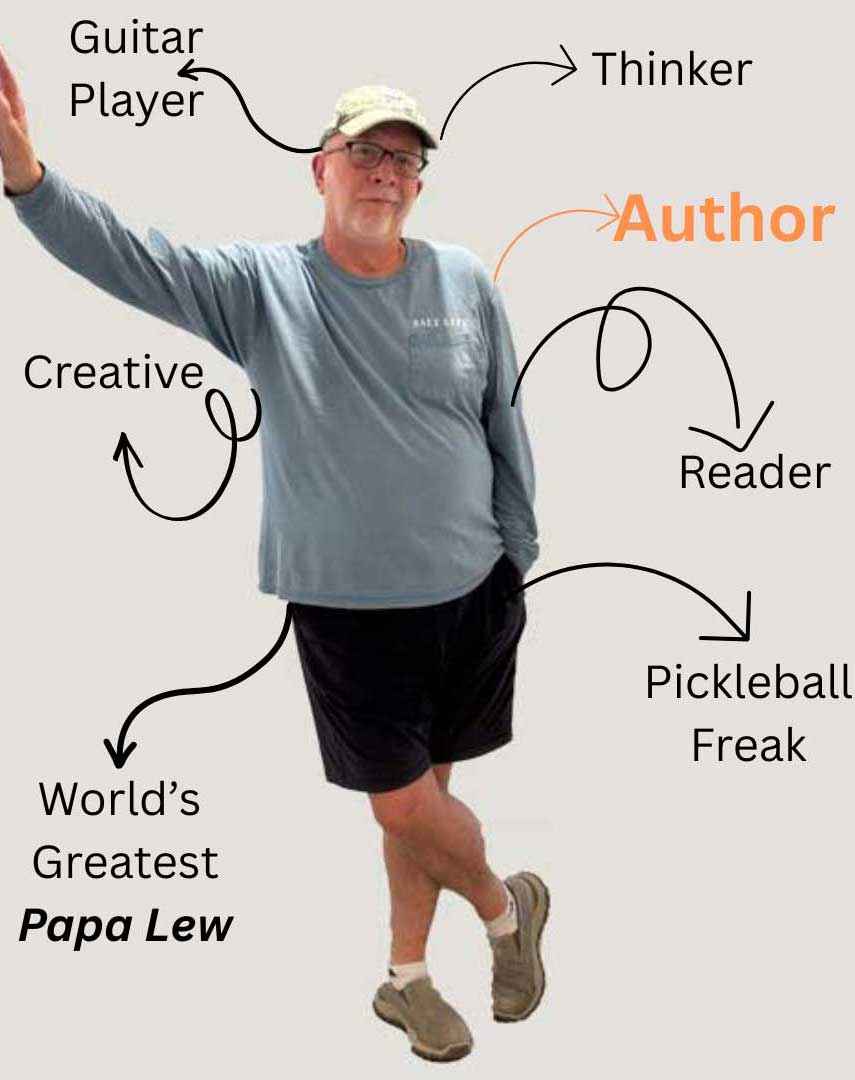
My personal experience as both a lifelong reader and a novelist has given me a perspective that occasional readers won't find on a generic recommendation website.
Because I'm almost always working on a new novel, in some way, I have to make hard decisions about items like. As a result, when I'm reading a novel, my mind doesn't process that they way I assume most non-writers would.
I am reading the text, but I'm also noticing the way a particular writer handles those same items. When that author comes up with something I find fascinating, I'm tempted to stop and study how it was done or search the words to see how that effect came about.
💬 Memorable Quote/Line
"A reader lives a thousand lives before he dies. The man who never reads lives only one."
— George R.R. Martin
Readers often believe choosing books is about finding better recommendation lists. In reality, the first step is understanding themselves.
Once they recognize the patterns behind the stories they love, every future recommendation becomes more meaningful. Rather than chasing the latest bestseller, they begin building a reading life based on curiosity, enjoyment, and personal connection.
Now that you know what kinds of stories resonate with you, the next question becomes just as important:
Where do you actually find those books?

→ Image by: Coasteering on Unsplash
→ FaulknerFiction takes pride in supporting other Creatives!
2️⃣ Find Better Book Recommendations from Sources You Can Trust
🤔 What is it?
The best book recommendations come from a combination of trusted people, communities, and tools rather than a single bestseller list or algorithm.
Building several reliable recommendation sources dramatically increases your chances of finding books you'll genuinely enjoy.
Where should I look for trustworthy book recommendations?
The best recommendations usually come from readers, librarians, independent bookstores, and curated online communities that align with your interests. Combining multiple trusted sources produces better results than relying on any single recommendation engine.
🎯 Why it matters
When most people finish a great book, their first instinct is to search online for "books like this one."
While that can work, it often produces repetitive lists featuring the same handful of bestselling titles.
The result is that readers repeatedly encounter books they've already considered while countless excellent novels remain undiscovered.
The most successful readers don't depend on one recommendation source.
Instead, they create a network of trusted voices.
🎯 A librarian might recommend an overlooked classic.
🎯 An independent bookstore employee may introduce you to a debut novelist that hasn't yet reached the bestseller lists.
🎯 A favorite BookTuber might specialize in psychological suspense, while a Goodreads friend consistently recommends books that match your personal tastes.
🛠️ Where to Find Great Book Recommendations
|
Recommendation Source |
Best For |
Why It Stands Out |
|
Goodreads |
Reviews and community lists |
Large reader community and extensive reviews |
|
StoryGraph |
Personalized recommendations |
Mood, pacing, and reading preference matching |
|
Local Library |
Personalized advice |
Recommendations from experienced librarians |
|
Independent Bookstores |
Curated discoveries |
Staff picks and lesser-known authors |
|
Friends with Similar Tastes |
Trusted opinions |
Recommendations based on shared interests |
Recommendation websites also have different strengths.
🎯 Goodreads excels at community reviews, themed lists, and discovering books that millions of readers have enjoyed.
🎯 StoryGraph approaches recommendations differently by emphasizing mood, pacing, emotional tone, and reading preferences.
Neither platform is objectively "better."
They simply help readers in different ways.
Perhaps the most overlooked recommendation source is your own reading history. Every time you finish a book, you're collecting valuable information about what resonates with you. Paying attention to the authors, themes, pacing, and storytelling techniques you consistently enjoy often leads to better future recommendations than any algorithm can provide.
The goal isn't to find the one perfect recommendation source.
It's to build a personal network that consistently introduces you to books you'll remember long after you've finished them.
Why It Fits This Blog Post
This blog post encourages readers to identify the storytelling elements they enjoy most. Novel Noir is an excellent recommendation for readers who appreciate psychological suspense, layered characters, and morally complex mysteries.
📌 Example
Imagine you've just finished one of the best psychological thrillers you've ever read.
Instead of searching only for "books like The Silent Patient," you ask your librarian for recommendations featuring unreliable narrators. You browse StoryGraph for books with similar pacing and emotional tone, then watch a BookTube review comparing several psychological suspense novels. Within minutes, you've discovered five books that would never have appeared on a generic bestseller list.
That's the advantage of combining multiple recommendation sources.
⚙️ How to Apply It
Choose three recommendation sources you'll begin using consistently.
For example:
⚙️ One reading community (Goodreads or StoryGraph).
⚙️ One local source (library or independent bookstore).
⚙️ One trusted reviewer, YouTube channel, or newsletter.
As you discover recommendations, keep a simple note about where each suggestion came from.
Over time, you'll notice which sources consistently recommend books that match your tastes, allowing you to refine your own recommendation network.
💬 Memorable Quote/Line
"There is more treasure in books than in all the pirate's loot on Treasure Island."
— Walt Disney
Now that you know where to find trustworthy recommendations, the final piece of the puzzle is creating a simple system that keeps those recommendations organized.
The readers who spend the least time wondering what to read next aren't necessarily the ones with the most recommendations.
They're the ones with the best system for managing them.

→ Image by: Samuel Lopez Cruz on Unsplash
→ FaulknerFiction takes pride in supporting other Creatives!
3️⃣ Build a Personal Reading System That Eliminates Guesswork
🤔 What is it?
A personal reading system is a simple, repeatable way to organize book recommendations so you're never wondering what to read next. Instead of starting over every time you finish a book, you maintain a curated list of future reads that match your interests.
How can I stop spending so much time deciding what to read next?
Create a reading system before you need one. Instead of waiting until you've finished your current book, maintain a running list of books you're excited to read. Organize them by genre, mood, or recommendation source, and update the list whenever you discover something interesting.
🎯 Why it matters
One of the biggest obstacles to reading consistently isn't a lack of books.
It's the constant need to make another decision.
Every day we're flooded with choices, from what to watch and what to eat to how to spend our free time. By the time we sit down with a good book, many of us simply don't want to sort through thousands of titles trying to decide what comes next.
A personal reading system removes that friction.
Instead of beginning your search from scratch after every book, you've already built a collection of titles you're genuinely excited about. The decision becomes easier because the hard work has already been done.
🛠️ Simple Personal Reading System
|
Keep Track Of |
Example |
Why It Helps |
| Books You Want to Read | Maintain a TBR list | Eliminates last-minute searching |
| Recommendation Source | Goodreads, librarian, friend | Identifies which sources match your tastes |
| Reading Mood | Light, suspenseful, inspirational | Makes choosing easier based on your current mood |
| Favorite Authors | Matt Haig, Fredrik Backman | Helps you discover similar writers |
| Reading Notes | Favorite themes, characters, quotes | Reveals patterns in your reading preferences |
A reading system also helps you recognize patterns in your own reading life.
You may notice that you consistently enjoy novels with morally complex characters, books set in particular historical periods, or stories with hopeful endings.
Over time, these observations become just as valuable as any recommendation algorithm because they're based on your actual experiences rather than general trends.
One of the greatest advantage is momentum.
Readers who always know what they're reading next are far more likely to maintain a regular reading habit.
Instead of letting days or weeks pass while searching for another book, they move seamlessly from one enjoyable story to the next.
Ultimately, your reading system becomes more than a list of books. It becomes a reflection of your curiosity, your interests, and your personal reading journey. As it grows, so does your confidence in choosing books that enrich, entertain, and challenge you.
Why It Fits This Blog Post
Readers who identify fast pacing, action, and adventure as favorite storytelling elements may enjoy Tracer. It serves as a concrete example of matching books to personal reading preferences rather than relying on popularity.
📌 Example
Imagine you've just finished an unforgettable novel on Sunday evening.
Instead of spending an hour comparing reviews and scrolling through bestseller lists, you open your reading journal. Waiting for you is a carefully maintained list of twenty books you've already researched. Each includes notes about why it interested you, who recommended it, and what kind of reading experience it offers.
Within five minutes, you've chosen your next book.
The decision feels effortless because you made it weeks earlier when you first discovered the recommendation.
⚙️ How to Apply It
Start small.
Begin with a simple notebook, spreadsheet, or reading app. Whatever you're most likely to use consistently.
For every book that catches your attention, record:
⚙️ Title and author.
⚙️ Where you found the recommendation.
⚙️ Why it interests you.
⚙️ Genre or reading mood.
⚙️ Priority level.
Review the list once each month.
Remove books that no longer excite you, add new discoveries, and update your notes as your interests evolve.
The goal isn't to create the perfect list.
It's to create one you'll actually use.
💬 Memorable Quote/Line
"The reading of all good books is like a conversation with the finest minds of past centuries."
— René Descartes

→ Image by: Christin Hume on Unsplash
→ FaulknerFiction takes pride in supporting other Creatives!
4️⃣ Create a Reading Life That Keeps Bringing You Back to Great Books
🤔 What is it?
A lasting reading life is built on consistency rather than quantity.
It's about developing habits that keep books a meaningful part of your everyday life, no matter how many you read each year.
How do I make reading a lifelong habit instead of something I do occasionally?
Treat reading as something you look forward to rather than another task to complete. Small, consistent habits create a reading life that's enjoyable, sustainable, and uniquely your own.
🎯 Why it matters
Many people think becoming "a reader" means finishing dozens of books every year. In reality, lifelong readers come in all kinds of forms. Some read a novel every week, while others savor only a few carefully chosen books each year.
The common thread isn't speed or quantity.
It's consistency.
Reading offers something increasingly rare in today's fast-moving world: uninterrupted time to think, imagine, and experience life through someone else's perspective. Whether you're exploring a distant historical era, solving a mystery, or following a character through personal triumphs and failures, every book expands your understanding of the world in ways few other activities can.
Over time, your reading life becomes a reflection of your own growth.
The books you loved in your twenties may not resonate in the same way decades later, while authors you once overlooked may suddenly become favorites.
That's one of reading's greatest gifts.
It evolves as you do.
🛠️ Habits That Support a Lifelong Reading Life
|
Habit |
Simple Example |
Long-Term Benefit |
| Read every day | Read 20 minutes before bed | Builds consistency and momentum |
| Keep a TBR list | Add recommendations throughout the year | Eliminates decision fatigue |
| Explore new genres | Read one unfamiliar genre each quarter | Broadens interests and perspectives |
| Join a reading community | Participate in a book club or online discussion | Encourages accountability and discovery |
| Reflect on what you read | Keep a reading journal | Deepens understanding and identifies reading preferences |
A sustainable reading life also frees you from chasing trends.
You no longer feel obligated to read every bestseller or every book everyone else is discussing. Instead, you become comfortable choosing books that genuinely match your interests, even if they're lesser-known or decades old. Reading becomes a personal journey rather than a popularity contest.
Perhaps most importantly, building a reading life means creating a habit that continually rewards you.
Every great book leads to another discovery, another conversation, another idea worth exploring. Instead of wondering what to read next, you begin looking forward to what your next great story will teach you.
📌 Example
Consider two readers.
One waits until they finish a book before deciding what to read next. They often spend days searching, become distracted, and sometimes go weeks without reading.
The other keeps a curated reading list, visits the library regularly, and sets aside twenty minutes each evening for reading. They don't necessarily read more books—they simply maintain a steady rhythm that makes reading a natural part of life.
The difference isn't motivation.
It's habit.
⚙️ How to Apply It
Choose one small reading habit to begin this week.
You might decide to:
⚙️ Read for twenty minutes before bed.
⚙️ Visit your local library once each month.
⚙️ Add one recommended book to your TBR list every Friday.
⚙️ Keep a simple journal of favorite books and memorable quotes.
⚙️ Read one book each year outside your usual genre.
Don't try to change everything at once.
Lifelong reading habits are built through small, consistent actions that become part of your routine over time.
💬 Memorable Quote/Line
"Once you learn to read, you will be forever free."
— Frederick Douglass
The next great book isn't waiting because it's on a bestseller list or trending online.
It's waiting because you've learned how to recognize the stories that matter most to you.
y applying the ideas in this guide, you'll spend less time wondering what to read next—and more time enjoying the books that deserve a place on your shelf.
→ Image by: Tim Wildsmith on Unsplash
→ FaulknerFiction takes pride in supporting other Creatives!
📖 What Stays With You After the Last Page
For me, personally, choosing my next book doesn't have to feel like an endless search through bestseller lists, online reviews, and social media recommendations.
Once you understand your reading personality, build a network of trusted recommendation sources, and develop a simple reading system, you'll spend far less time wondering what to read next—and far more time enjoying books you'll genuinely remember.
The goal isn't to read what everyone else is reading. It's to discover stories that speak to your interests, challenge your thinking, and leave a lasting impression. Every great book becomes another step in a reading life that's uniquely your own.
The next great book is already waiting.
👣 Your Next Steps
Don't wait until you finish your current book to think about what comes next.
📚 Take fifteen minutes today to begin building your own reading system: List five books you've always wanted to read.
📚 Identify two recommendation sources you'll begin using regularly.
📚Write down the three storytelling qualities you value most.
📚 Create or update your TBR (To Be Read) list.
Small steps today can lead to years of more enjoyable reading.

🙋🏻♀️ FAQs
...about What Book To Read Next.
How do I know what to read next if I don't have a favorite genre?
Many readers assume they need to identify a single favorite genre before they can choose great books, but that's rarely the case. Instead of focusing on genre alone, think about the storytelling elements you enjoy most, such as memorable characters, fast pacing, emotional depth, humor, or surprising plot twists. Those qualities often matter more than whether a book is classified as mystery, literary fiction, fantasy, or historical fiction.
Is Goodreads or StoryGraph better for finding new books?
Both platforms are valuable, but they serve slightly different purposes. Goodreads has one of the largest reading communities in the world and excels at reviews, ratings, themed book lists, and social interaction. StoryGraph focuses more on personalized recommendations based on mood, pacing, emotional tone, and reading preferences. Many avid readers use both because each offers unique strengths.
Should I finish every book I start?
Not necessarily. While it's worth giving most books a fair chance, continuing a book you're not enjoying simply because you started it can keep you from discovering one you'll truly love. If a book consistently fails to engage you after a reasonable amount of reading, it's perfectly acceptable to move on and choose something better suited to your interests.
How many books should I keep on my TBR (To Be Read) list?
There's no perfect number, but many readers find that keeping between 15 and 30 books on their list provides enough variety without becoming overwhelming. Review your list regularly, remove books that no longer interest you, and add new recommendations as your tastes evolve.
[ ▶︎ ] Podcast/Videos
On What Should I Read Next (Youtube site) Anne talk all things books and reading, and does a little literary matchmaking with one guest each week.
She'll give you all the information you need to choose your next read. Hosted by author, literary tastemaker, and voracious reader Anne Bogel.
To find out more or complete her guest submission form click here
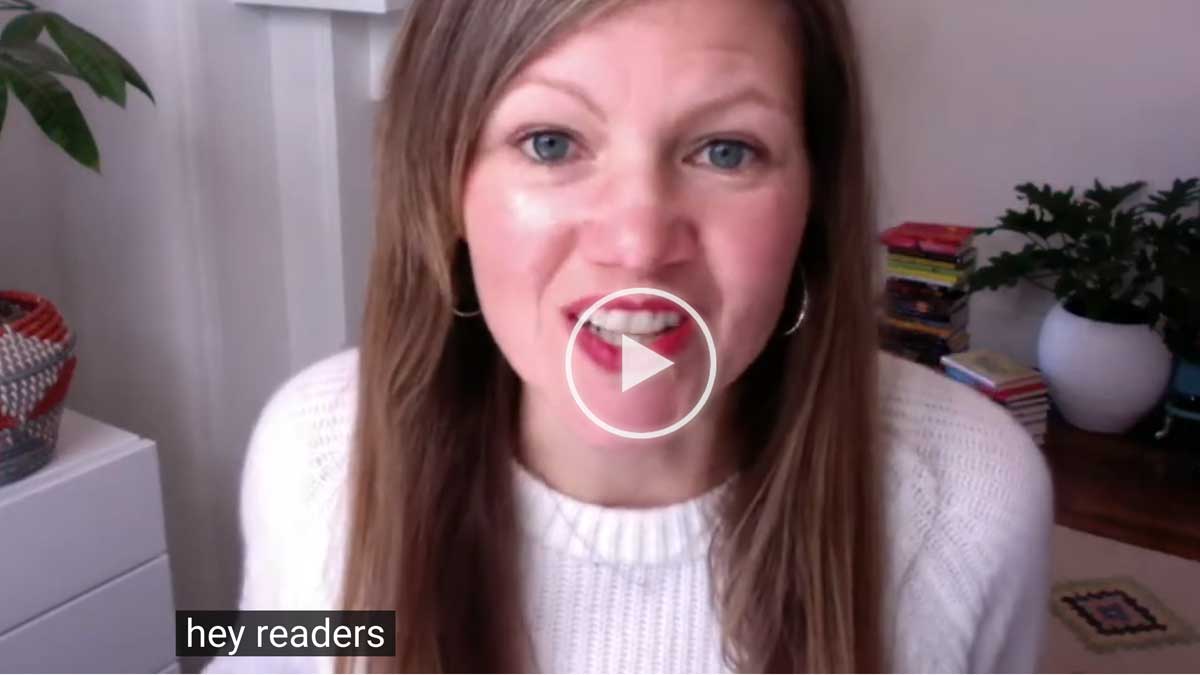
Host Anne Bogel
🚀 Continue the Creativity
If this topic sparked something, you might also enjoy:
Creative Consistency
5 Powerful Ways To Do it
→ Continue Reading
The Midnight Train (Book Review)
Matt Haig’s Moving Journey Through Regret and Redemption
→ Continue Reading
Creative Burnout
Signs, Causes, and Recovery Strategies
→ Continue Reading
No Results Found
The page you requested could not be found. Try refining your search, or use the navigation above to locate the post.
Show Me More Posts ABOUT: For Readers
Show Me More Posts that include THIS TOPIC:
👤 Author Bio

Lewis Faulkner is the author of six novels and a creative educator with over 40 years of experience studying story structure, narrative craft, and the creative process.
His work often explores how systems shape perception and how individuals respond.
🗣️ Your Comments

Come on.
You know you've got something you want to say!
Your Comments
⋆.📷˚ Header Image By
If you were Impressed By the creative Effort on This Post's Header Image, Connect with its creator.
Header Image by:
Photo by Laurin Steffens on Unsplash
FaulknerFiction.com takes pride in supporting other Creatives!
0 Comments