
😤 The Mad Wife Review: What Happens When the Perfect Housewife Starts to Unravel?
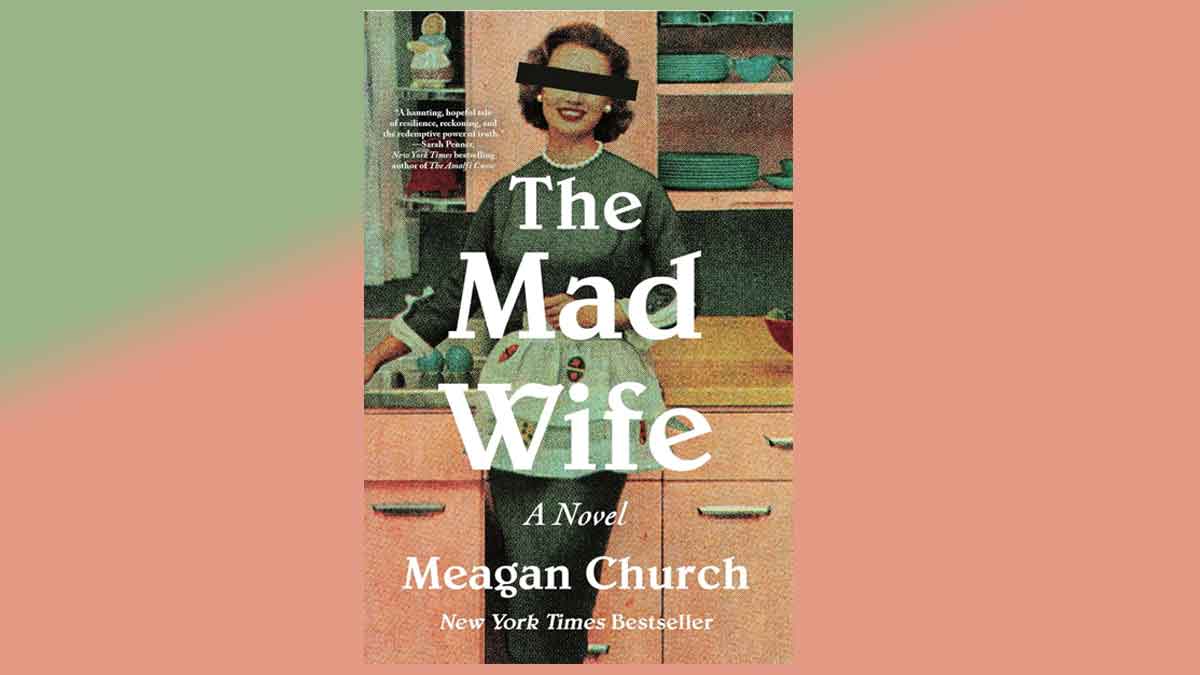
😤 The Mad Wife Review: What Happens When the Perfect Housewife Starts to Unravel?
📌 One-Sentence Summary
'The Mad Wife' is a novel by Meagan Church that combines historical fiction and psychological suspense to explore how grief, motherhood, and societal expectations can slowly erode a woman's sense of self.
🔑 Key Takeaways
Lulu Mayfield is one of the most compelling protagonists in recent historical fiction.
🔑 The 1950s setting creates much of the novel's tension.
🔑 The mystery surrounding Bitsy drives the suspense.
🔑 The novel explores grief, identity, and mental health with emotional depth.
🔑 The story works equally well as a suspense novel and a book-club selection.
✨ Intro
What happens when a woman spends years trying to become the perfect wife, only to discover she's losing herself in the process?
At first glance, 'The Mad Wife' looks like a psychological suspense novel about a troubled housewife and a mysterious neighbor. But beneath the suspense lies a much deeper story about grief, identity, and the impossible expectations placed on women in 1950s America.
The author, Meagan Church, creates a world filled with manicured lawns, neighborhood gossip, and carefully maintained appearances. Yet behind those appearances are women carrying burdens that no one wants to acknowledge.
For me, the novel's greatest strength is that it works on multiple levels. It's a compelling mystery, an emotional character study, and a thoughtful examination of what happens when society mistakes suffering for weakness.
📚 Also, through the lens of Perception Focus, this post considers how readers interpret stories, asking how meaning changes depending on who is doing the reading.
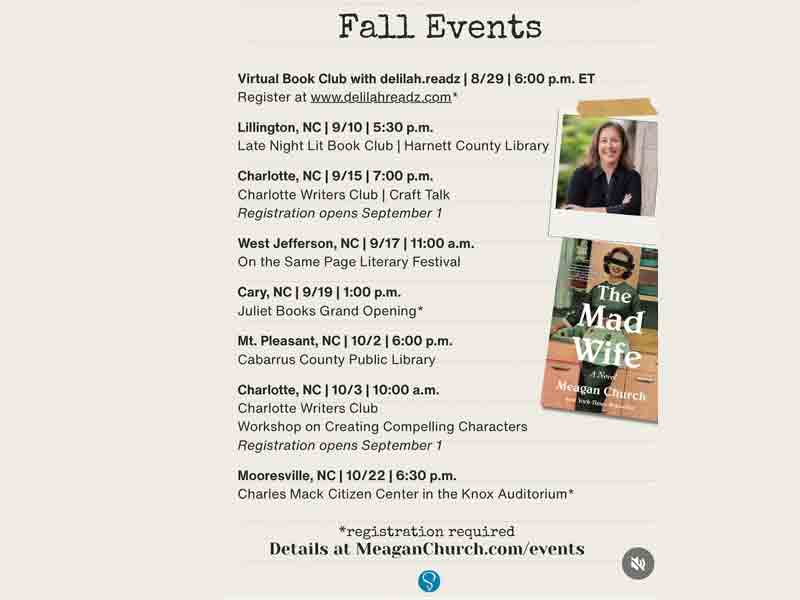
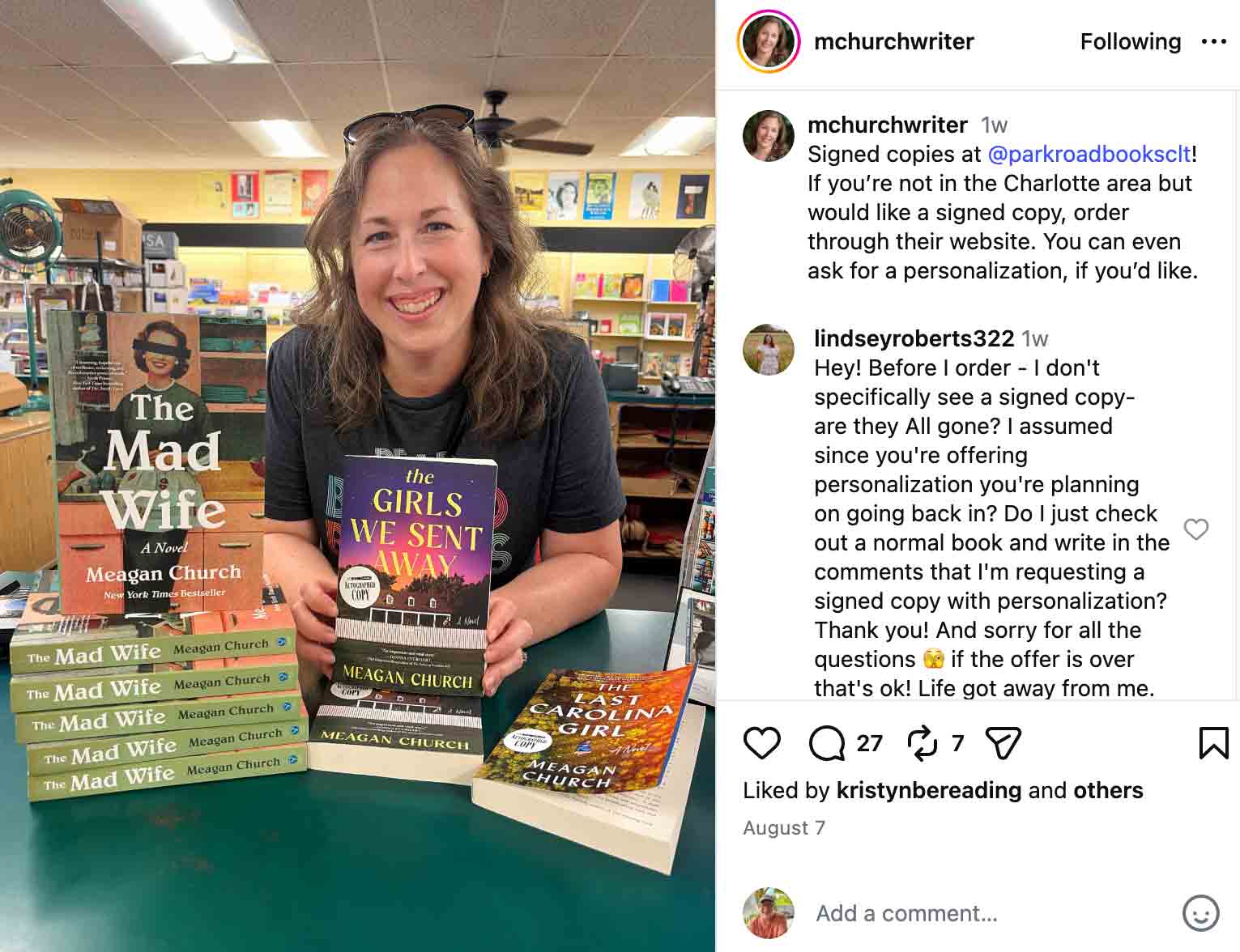
If you live near Raleigh, NC, like I do, register to see Meagan Church at a location near you.
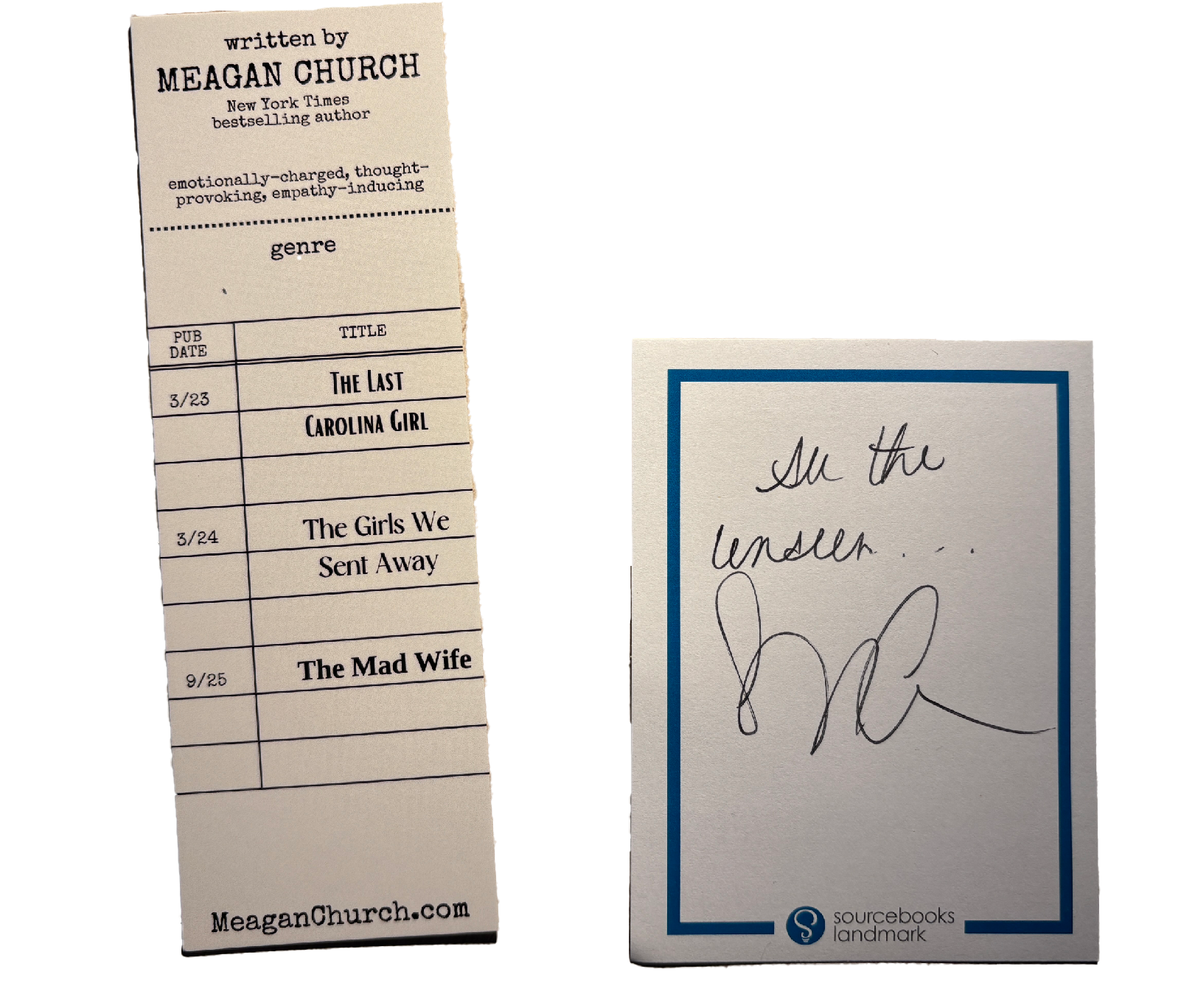
I'm part of the Late Night Book Club. Meagan couldn't show up for the event, but we had a large, group video conference, where we could ask her questions. She later sent us a signed bookmark!
Table of Contents
💡 Definitions
Audience
This post is written primarily for:
→ Readers
Primary Focus
The main conceptual focus of this post is:
→ Perception
Secondary Focus
The secondary focus of this post is:
→ Agency
Systems Focus
Posts under Systems explore institutions, technologies, structures, and incentives that shape human behavior and outcomes.
Perception Focus
Posts under Perception examine interpretation, belief, bias, and the stories we tell ourselves about the world.
Agency Focus
Posts under Agency investigate choice, responsibility, autonomy, and the power to act within real constraints.
→ FaulknerFiction takes pride in supporting other Creatives!
1️⃣ Why Lulu Mayfield Is Such a Compelling Character
🤔 What is it?
Lulu Mayfield is the emotional center of 'The Mad Wife.'
As she struggles to meet the expectations of her family, neighbors, and society, readers witness the growing conflict between who she is and who she is expected to be.

What makes Lulu such a memorable protagonist?

She feels authentic. Her fears, doubts, and frustrations make her relatable even when readers question her perceptions.
🎯 Why it matters
Strong character development is what transforms 'The Mad Wife' from a simple mystery into an emotionally engaging novel.
🌟 Key Insight
Readers often connect most strongly with characters who are struggling to hold themselves together.
📊 What Makes Her Such a Compelling Character?
The table below highlights a few of those characteristics and shows how each one contributes to the emotional tension and suspense of the story.
| Character Trait | Impact on Story |
|---|---|
| Self-Doubt | Creates suspense |
| Determination | Drives investigation |
| Vulnerability | Builds empathy |
| Uncertainty | Creates tension |
📌 Example
Lulu's growing obsession with Bitsy reveals just as much about Lulu's inner struggles as it does about her neighbor.
🤔 How to Apply It
Readers and writers alike can learn how powerful flawed, emotionally complex protagonists can be.
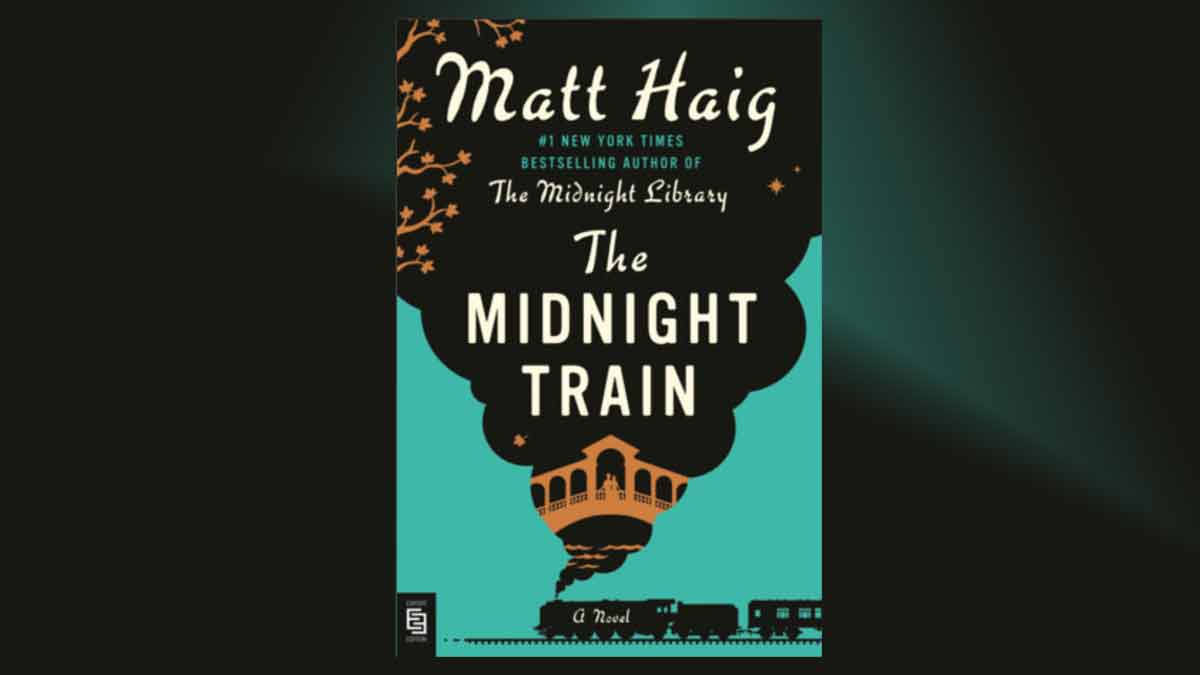
📚 The Midnight Train Review: Matt Haig’s Moving Journey Through Regret and Redemption.
Hope, Heartbreak, and the Power of One More Chance.
💬 Memorable Quote
"They called it hysteria. She called it survival."
— Meagan Church
🎓 Expert Perspectives
I picked these three resources because Lulu's appeal isn't simply that she is a troubled character.
Her story raises a larger question about why readers become emotionally invested in fictional people who are complicated, imperfect, and sometimes difficult to trust.
These resources offer some fascinating insight into that connection between reader and character.
Title: When readers talk about characters as if they were real, how do they talk about them? Empathy and gossip in reading group discourse.
Author: Alexander Laffer
Why You Should Read It: This scholarly study explores how readers use empathy, personal experience, and social expectations when discussing fictional characters, making it particularly relevant to understanding why readers become invested in Lulu.
Title: Mimetic and synthetic views of characters: How readers process “people” in fiction
Author: Marisa Bortolussi and Peter Dixon
Why You Should Read It: This research examines how readers process fictional characters as if they were people while simultaneously recognizing them as creations of the author.
Title: Textual and reader factors in narrative empathy: An empirical reader response study using focus groups
Author: Carolina Fernández-Quintanilla
Why You Should Read It: This study examines how both the writing itself and the reader's own experiences influence the empathy readers develop toward fictional characters.
Lulu's unraveling becomes even more understandable when we consider the world around her.
She isn't simply struggling with her own doubts and emotions; she's living in a time when women were expected to fit neatly into carefully defined roles.
That pressure creates another layer of tension.
And makes the 1950s setting an important part of the story.
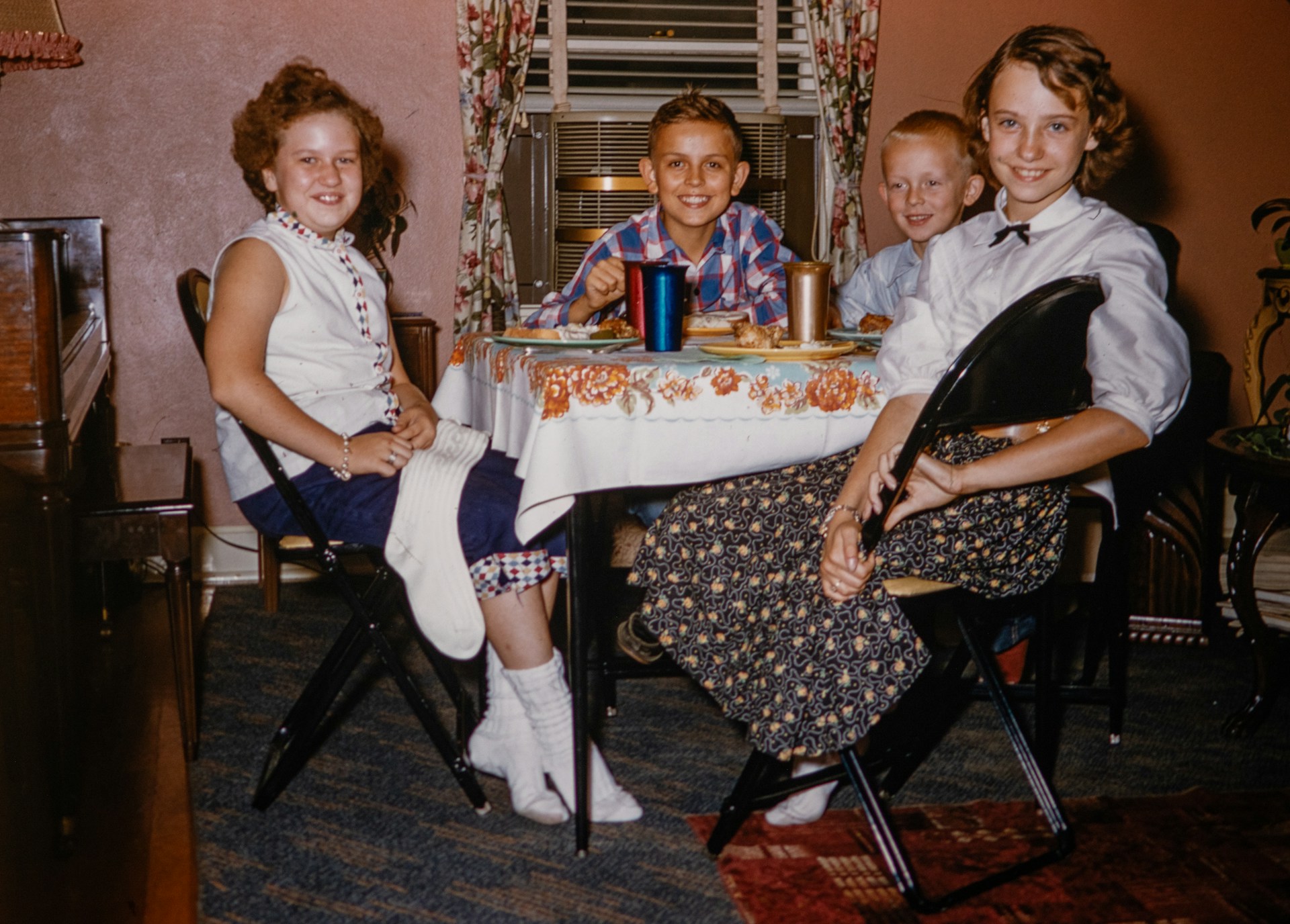
→ Image by: Annie Spratt on Unsplash
→ FaulknerFiction takes pride in supporting other Creatives!
2️⃣ How 1950s Expectations Create the Novel's Suspense
🤔 What is it?
The social expectations of 1950s suburbia act almost like a secondary antagonist.
Lulu's struggle isn't just personal; it's rooted in a culture that demands women remain cheerful, obedient, and composed regardless of what they're experiencing
Why is the setting so important?
Because the historical period amplifies every conflict Lulu faces.
🎯 Why it matters
Without the rigid social expectations of the era, many of the novel's emotional and psychological tensions would not exist.
🌟 Key Insight
Sometimes the most powerful villain in a story is the culture surrounding the characters.
📊 The Character Traits That Drive Lulu's Story
Lulu's appeal comes from the tension between the woman she wants to be and the woman she is struggling to become.
Her self-doubt, vulnerability, and determination don't simply shape her personality—they influence the suspense, deepen our empathy, and keep us questioning what she will do next.
The table below highlights the qualities that make Lulu such a memorable and emotionally complex protagonist.
| 1950s Expectation | Effect on Lulu |
|---|---|
| Perfect Homemaker | Increased pressure |
| Emotional Restraint | Isolation |
| Social Conformity | Loss of identity |
| Domestic Success | Constant stress |
📌 Example
The neighborhood's expectations often force Lulu to hide her true feelings behind a carefully crafted public image.
🤔 How to Apply It
Historical fiction works best when the setting actively shapes the story rather than simply providing background details.

💬 Memorable Quote
"Masks are the order of the day."
— Sylvia Plath (quoted in relation to the novel)
🎓 Expert Perspectives
I chose these resources because the 1950s setting is more than a backdrop in 'The Mad Wife.'
To understand Lulu's predicament, it helps to separate the nostalgic image of the happy 1950s housewife from the much more complicated reality of women's lives during the period.
These resources provide that historical context.
Title: Women and Domesticity in the 1950s
Author: Wendy Gamber, Indiana University Bloomington
Why You Should Read It: This Oxford Research Encyclopedia article examines how domesticity became a powerful social ideal that shaped American women's lives while also challenging simplistic ideas about the supposedly universal 1950s housewife.
Title: How Highly Processed Foods Liberated 1950s Housewives
Author: National Women's History Museum
Why You Should Read It: This resource shows how appliances, convenience foods, advertising, and changing domestic technology reshaped the daily lives of 1950s housewives while sometimes making domestic life more isolating.
Title: Women in the 1950s
Author: Khan Academy
Why You Should Read It: This accessible historical overview explains the difference between the popular image of 1950s domestic conformity and the more complicated realities of women's lives during the decade.
The expectations of 1950s suburban life give Lulu plenty of reasons to feel trapped, but the story takes a more intriguing turn when she begins focusing on someone else.
Bitsy appears to have the very life Lulu is struggling to maintain, yet something about her doesn't seem quite right.
Lulu's curiosity turns into obsession, the mystery surrounding her neighbor becomes impossible to ignore.
And makes the 1950s setting an important part of the story.

→ Image by: Annie Spratt on Unsplash
→ FaulknerFiction takes pride in supporting other Creatives!
3️⃣ The Mystery of Bitsy and the Search for Truth
🤔 What is it?
Bitsy appears to be the ideal suburban wife, but Lulu becomes convinced that something isn't right beneath the surface. Their relationship drives much of the novel's suspense and symbolism.
Is Bitsy really the mystery?
In many ways, Bitsy becomes a mirror reflecting Lulu's fears, doubts, and unanswered questions.
🎯 Why it matters
The mystery surrounding Bitsy allows the novel to explore deeper questions about identity, truth, and perception.
🌟 Key Insight
Sometimes the questions we ask about others reveal more about ourselves than about them.
📊 Surface Appearance Verses Hiden Reality
Lulu Mayfield is compelling because her strengths and vulnerabilities are constantly pulling her in different directions.
The qualities below not only define who she is, but also help create the emotional tension and uncertainty that make 'The Mad Wife' so engaging.
| Surface Appearance | Hidden Reality |
|---|---|
| Perfect Neighbor | Unknown Truth |
| Confidence | Possible Vulnerability |
| Stability | Underlying Tension |
📌 Example
The more Lulu investigates Bitsy, the more uncertain she becomes about her own understanding of reality.
Novel Noir
Why It Fits This Blog Post
Like 'The Mad Wife,' Novel Noir explores psychological tension, uncertainty, and the fragile line between perception and reality.
🤔 How to Apply It
Writers can study how Church uses mystery not simply to create suspense, but to deepen character development.
💬 Memorable Quote
"Remember. Lulu, remember."
— The Mad Wife opening motif
🎓 Expert Perspectives
I picked these resources because Bitsy's role in the novel goes beyond simply being a mysterious neighbor. She becomes part of the novel's larger question about what we believe, what we perceive, and whether we can trust the person telling us the story.
These resources offer a deeper look at how fiction creates that uncertainty.
Title: Reconsidering Unreliability: Fallible and Untrustworthy Narrators
Author: Greta Olson
Why You Should Read It: Olson's scholarly examination of unreliable narration helps explain why readers question a narrator's version of events and how that uncertainty can become a source of suspense.
Title: Silence That Screams: On Hysteria, Hauntings, and Why Every Story Is a Ghost Story
Author: Meagan Church
Why You Should Read It: ABC Church's own essay provides valuable insight into how ideas about hysteria, haunting, memory, and uncertainty influenced the creation of The Mad Wife.
Title: Exclusive Interview: Meagan Church Unravels the Dark Side of the 1950s in 'The Mad Housewife."
Author: Lindy Ryan
Why You Should Read It: ABCY Church explains how she deliberately created uncertainty around Lulu's perception of reality and used that ambiguity as a central source of psychological suspense.
The mystery surrounding Bitsy gives 'The Mad Wife' its suspense, but ultimately, I think the novel's impact comes from what that mystery reveals about Lulu herself.
Beneath the questions of what is real and whom we can trust is a much more human story about identity, grief, and the cost of trying to live up to someone else's idea of perfection.

📖 What Stays With You After the Last Page
For me, personally, 'The Mad Wife' succeeds because it offers much more than a traditional psychological suspense story.
Meagan Church uses Lulu Mayfield's struggles to explore larger questions about identity, grief, and the pressure to live up to impossible expectations. While the mystery surrounding Bitsy keeps the pages turning, it is Lulu's emotional journey that gives the novel its lasting impact.
For readers who enjoy character-driven fiction, historical settings, and stories that linger in the mind long after the final chapter, 'The Mad Wife' is a memorable and thought-provoking read.
🧭 Your Next Step
✍️ If 'The Mad Wife' sounds like your kind of novel, consider adding it to your reading list or suggesting it to your book club.
The story raises questions that are just as relevant today as they were in the 1950s, making it an excellent choice for readers who enjoy discussing character motivations, social expectations, and the hidden struggles people often carry beneath the surface.
🎁 Like Free Stuff?
Maybe Your Next Step Should Be Getting a Free Novel From FaulknerFiction!
If you're new to FaulknerFiction, start with a free novel and discover the suspense, mystery, technology, and human drama that connect my stories.
👉 Download your free novel and join the FaulknerFiction reader community.
🙋🏻♀️ FAQs

...about 'The Mad Wife.'
Is The Mad Wife based on a true story?
No. The novel is a work of fiction, but it draws inspiration from the real historical treatment of women's mental health and the social expectations placed on women during the 1950s.
What genre is The Mad Wife?
The novel combines historical fiction, psychological suspense, and women's fiction. Readers who enjoy character-driven stories with strong emotional depth will likely find it appealing.
Is The Mad Wife appropriate for book clubs?
Yes. The novel's themes of identity, motherhood, grief, and mental health create numerous opportunities for meaningful discussion and differing interpretations.
Who is the main character in The Mad Wife?
The story follows Lulu Mayfield, a suburban wife and mother whose carefully controlled life begins to unravel as she becomes increasingly obsessed with a mysterious new neighbor.
Does the novel focus more on mystery or character development?
While the mystery is important, the novel's greatest strength is its character development. The emotional and psychological journey of Lulu often takes center stage.
[ ▶︎ ] Videos
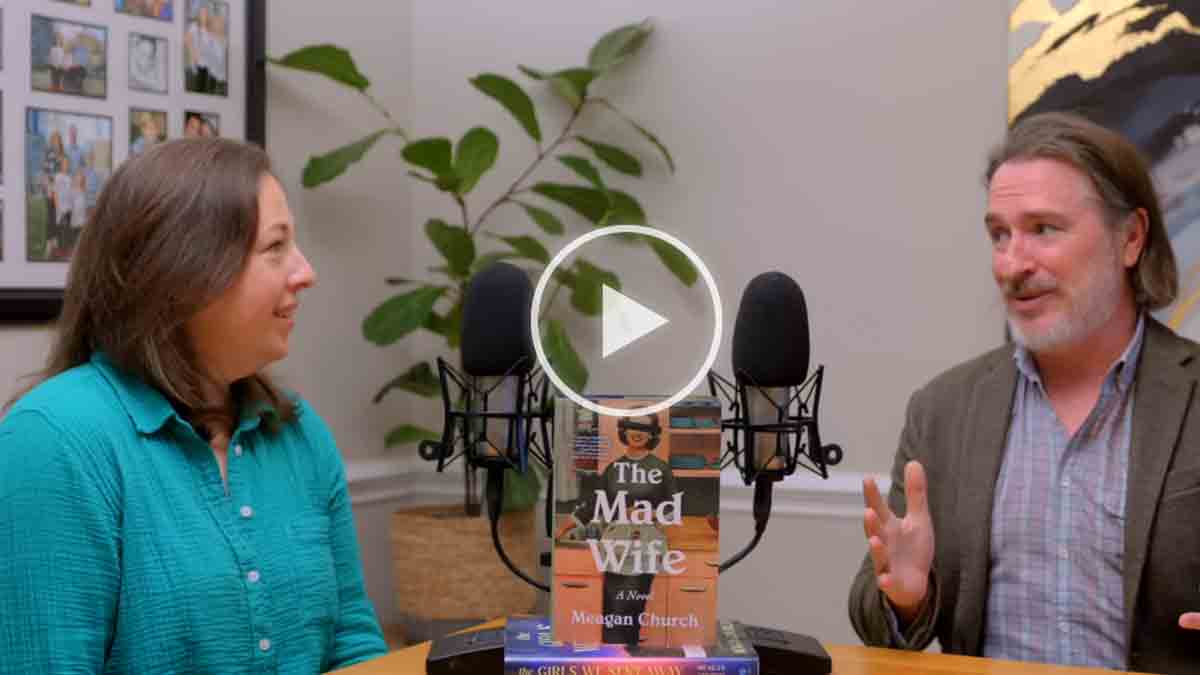
Host Wiley Cash visits author Megan Church at home to discuss the creative process behind her novels for Our State Youtube Channel.

Meagan Church on Writing NY Times Best-Selling The Mad Wife -Episode Preview on About The Authors TV
No Results Found
The page you requested could not be found. Try refining your search, or use the navigation above to locate the post.
Show Me More Posts ABOUT: For Readers
Show Me More Posts that include THIS TOPIC:

Lewis Faulkner is the author of six novels and a creative educator with over 40 years of experience studying story structure, narrative craft, and the creative process.
His work often explores how systems shape perception and how individuals respond.

Come on.
You know you've got something you want to say!
Your Comments
⋆.📷˚ Header Image By
If you were Impressed By the creative Effort on This Post's Header Image, Connect with its creator.
Header Montage By:
FaulknerFiction.com takes pride in supporting other Creatives!
0 Comments